Étiquette : etching
Karel Vereycken on show at Chicago Art Fair
Vereycken Exhibitions, Autumn 2026
CONFIRMED: 2026 : PARIS, France, physical, P.A.R.I.S. (Paris Art Renaissance & International Salon), Venue: Hôtel Particulier Beaujon, 8th Arrondissement, Paris; Dates: November 23 – December 6, 2026; Gala Night: November 25, 2026;
CONFIRMED: 2026: PARIS, France, Nov. 1-8, physical, Galerie Mona Lisa, 32, rue de Varenne, 75007, Paris, France.
CONFIRMED: 2026, PARIS, ART SHOPPING, digital, booth of ARTBOXY, 23-25 October, Carrousel du Louvre, 99, rue de Rivoli, 75001 Paris, France;
CONFIRMED: 2026: LUZERN, Switzerland, 22–25 October, digital, ARTS CROSSROAD 2026, Switzerland, Kunstmesse;
CONFIRMED: 2026: OSAKA, Japan, 16-19 October, digital, ARRIVAL GALLERY ART SHOW, 2 Chome-10-16 Higashitenma, Kita Ward, Osaka, 530-0044.
CONFIRMED: 2026: MONTREUIL, 9-11 October, physical, UNDER PRESSURE, exposition d’estampes à l’Atelier Bo Halbirk, 1 rue Garibaldi, Montreuil (Métro Robespierre);
CONFIRMED: 2026: SAN SALVADOR, El Salvador, October 7-November 4, physical, SUMARTE Art show and auction at Modern Art Museum (MARTE).
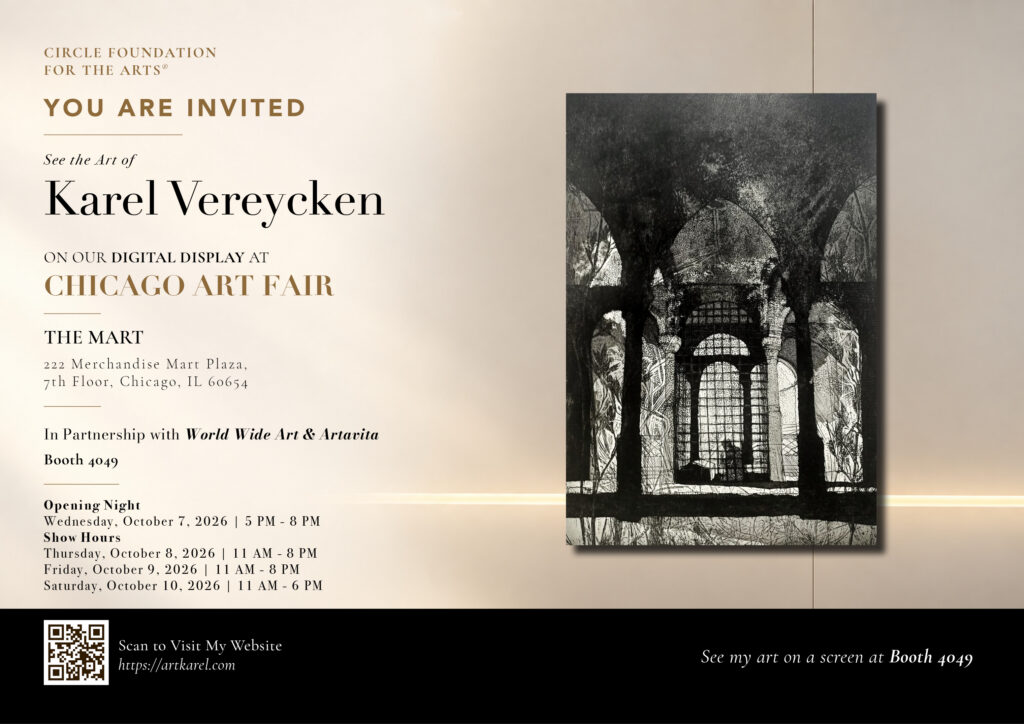
CONFIRMED: 2026: CHICAGO, United States, 7-10 October, digital, Chicago Art Fair, booth 4094 of the Circle Foundation for the Arts (CFA), World Wide Art & Artavita. Venue: The MART, 222 W Merchandise Mart Plaza, Chicago, IL;
Karel Vereycken on show in Luzern, Switzerland
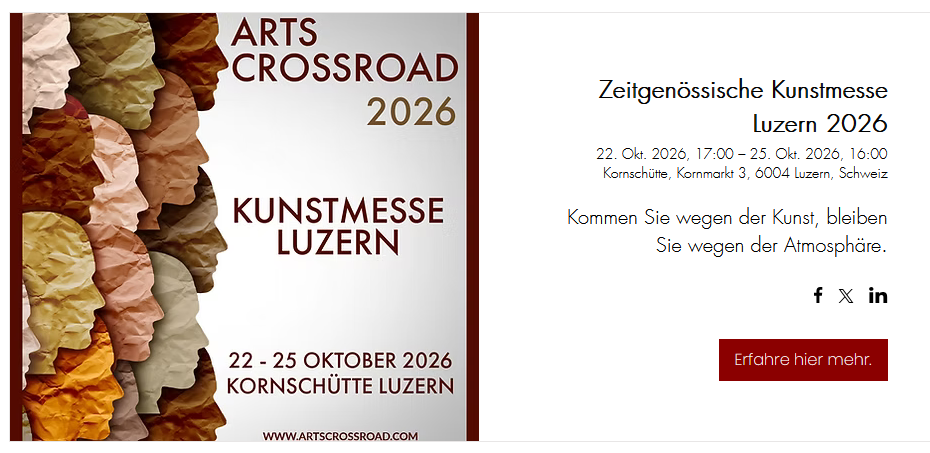
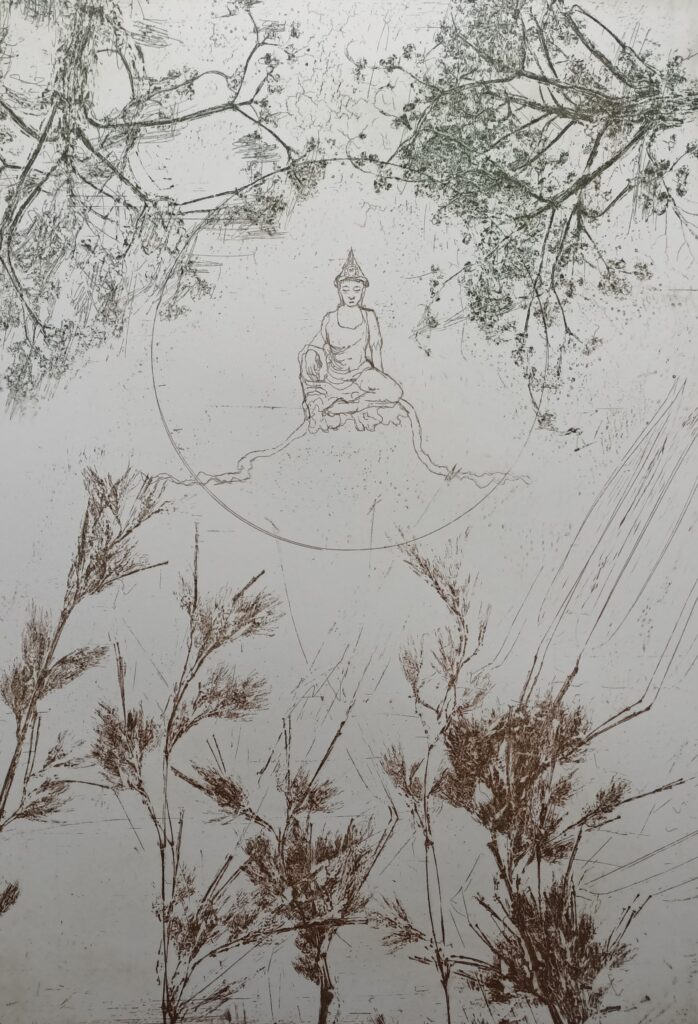
The Coincidence of Opposites, an engraving of Franco-Belgian painter engraver Karel Vereycken will be digitally on show at the Arts Crossroad Kunstmesse Luzern 2026 (also known as the Contemporary Art Fair Luzern).
The exhibition will take place from 22 to 25 October 2026.
This annual contemporary art fair serves as an intimate, highly curated platform featuring works from a maximum of 40 local and international artists across 500 square meters of exhibition space.
Event Overview
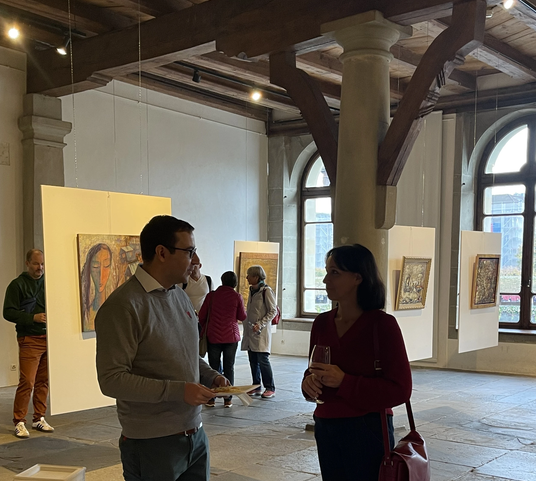
- Venue: Held at the historic Kornschütte building in the heart of Lucerne, Switzerland.
- Admission: Entry is free for all visitors.
- Exhibits: The fair features a mix of physical installations (paintings, sculptures, mixed media) alongside a specialized Digital Wall showcasing global art on premium gallery displays.
Opening Hours
- Thursday, 22 October: 17:00 – 21:00 (Opening & Vernissage)
- Friday, 23 October: 10:00 – 18:00
- Saturday, 24 October: 10:00 – 18:00
- Sunday, 25 October: 10:00 – 17:00
Pêcheur flamand 4
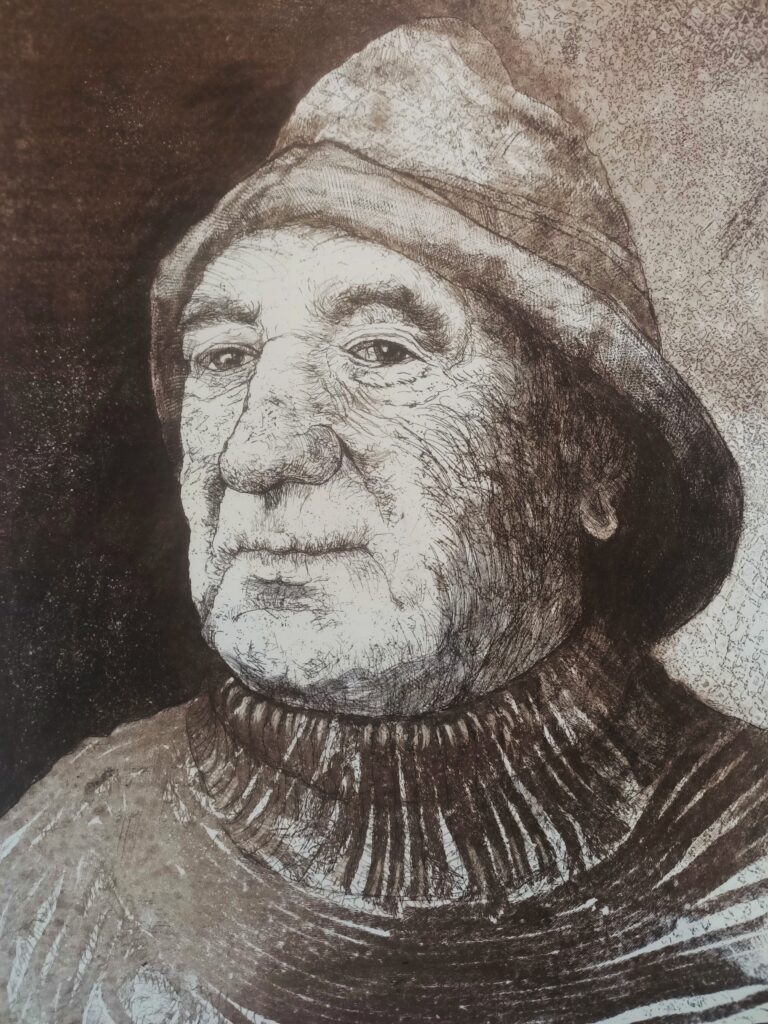
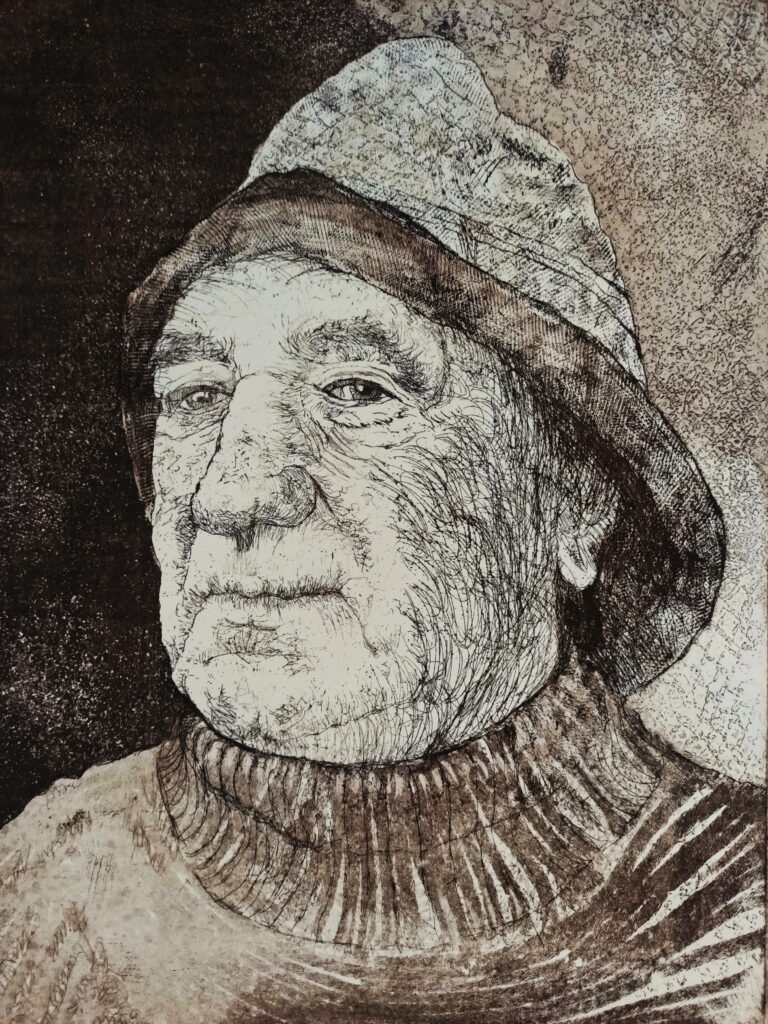
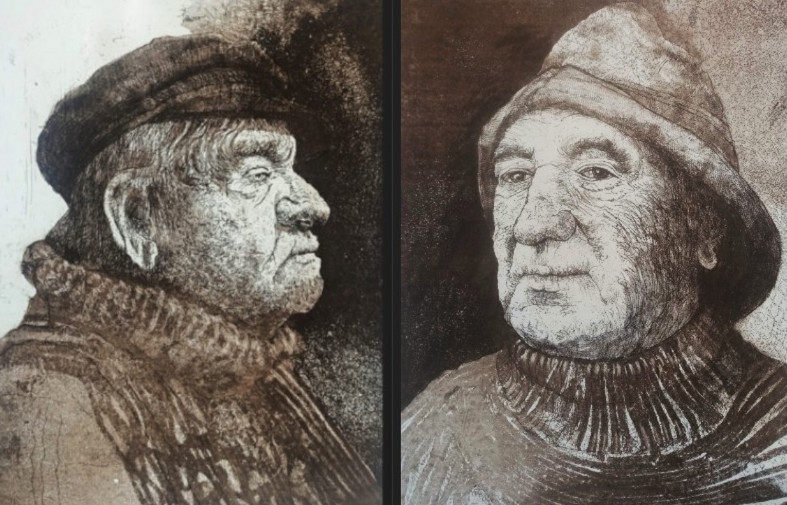
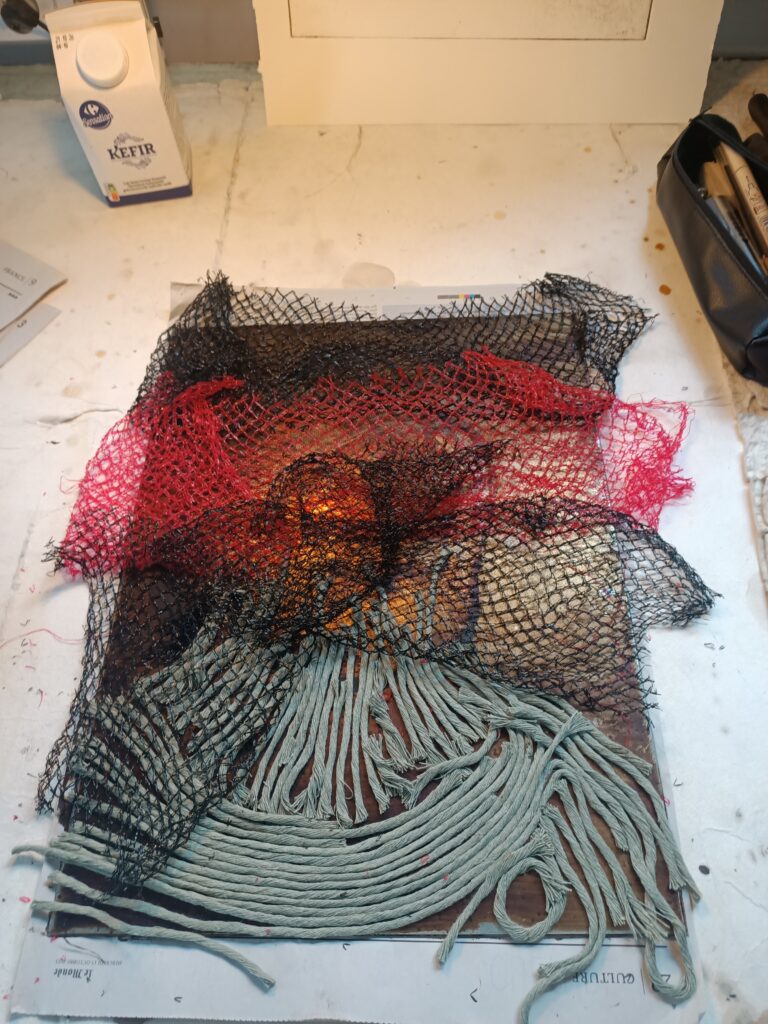
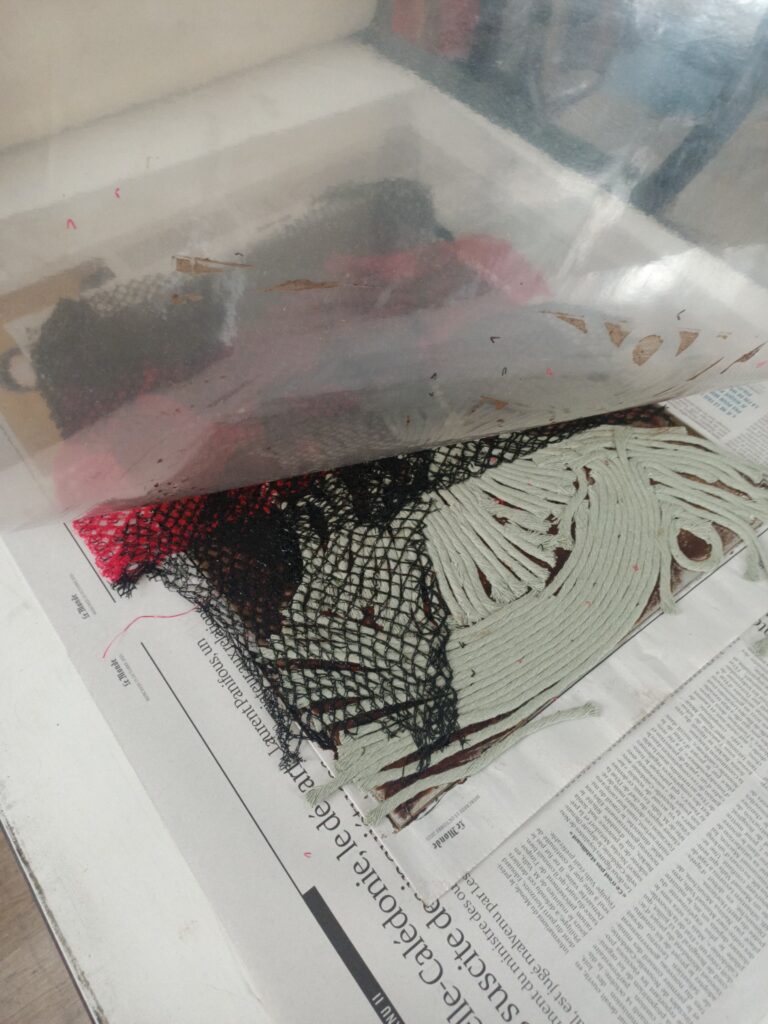
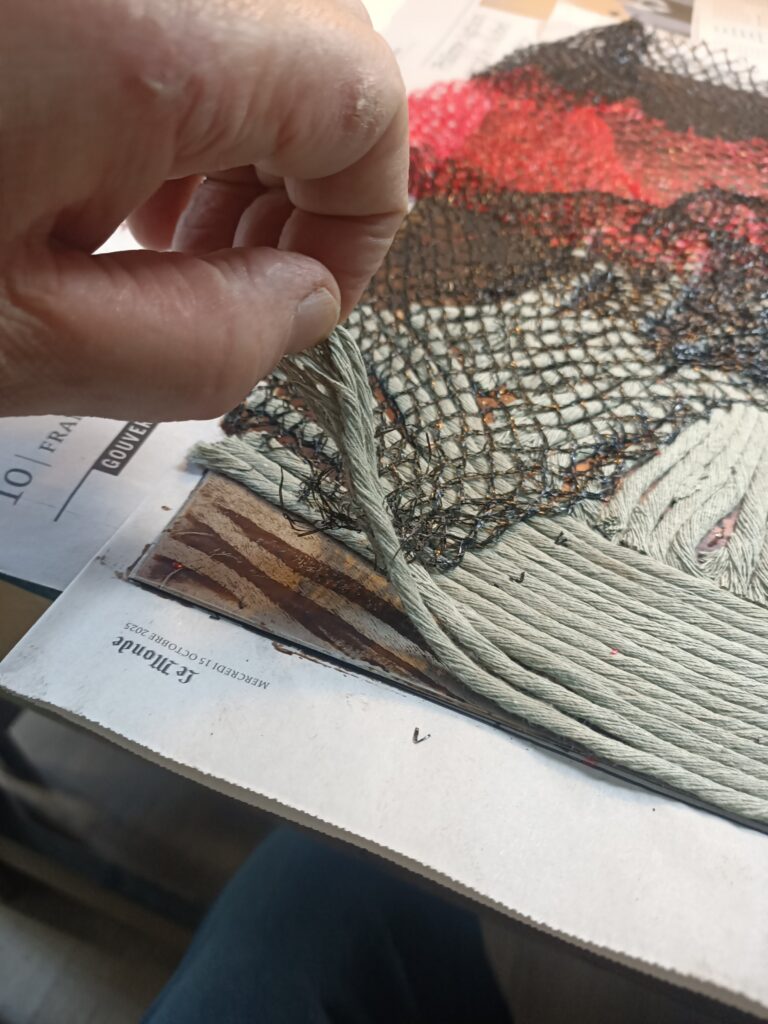
Phases de préparation du vernis mou avec des impressions de cordes molles et filets de fruits.


Karel Vereycken’s etching on show in Osaka, Japan

Franco-Belgian painter engraver Karel Vereycken was selected by Japan’s ARRIVAL GALLERY to exhibit (digitally on screen) his engraving Coincidence of Opposites, at the upcoming art exhibition that will take place in Osaka, Japan.
The ARRIVAL Gallery Art Show in Osaka is a curated international contemporary group exhibition showcasing selected artists from across the globe. This is the first time the artists works will be presented in a major asian country.
Dates :
- October 16, 2026: Opening Reception from 19:30 to 22:00.
- October 17–19, 2026: General Gallery Hours from 11:00 to 17:00 daily.
Venue:
The exhibition is being hosted at MAG Minamimorimachi Art Gallery,
2 Chome-10-16 Higashitenma, Kita Ward,
Osaka, 530-0044, Japan.
Karel Vereycken selected for Paris Art Renaissance & International Salon (P.A.R.I.S.)
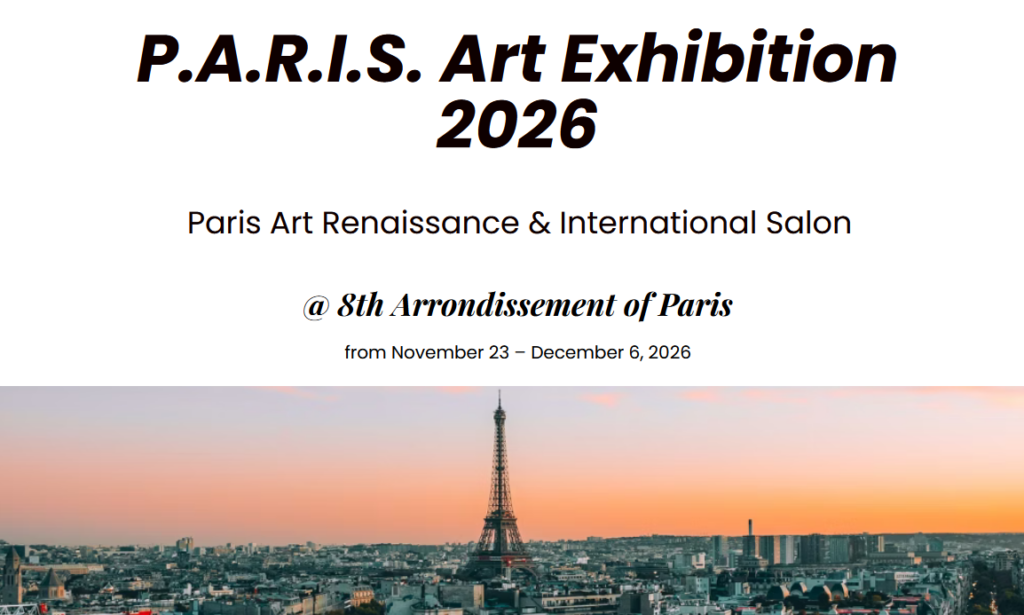
On August 27, 2026, Franco-Belgian Painter and Engraver Karel Vereycken was informed by the Los Angeles based art platform TERAVARNA, that he was selected as one of the twenty artists invited to expose their works physically at the Paris Art Renaissance & International Salon (P.A.R.I.S.). To be noted, Karel Vereycken will be the unique French national at this prestigious exhibit in the French capital.
TERAVARNA:
« Congratulations! We are thrilled to inform you that you have been selected to showcase your artwork with TERAVARNA at the P.A.R.I.S. 2026 exhibition. This is a fantastic achievement, and we are honored to present your work to an international audience in Paris. »
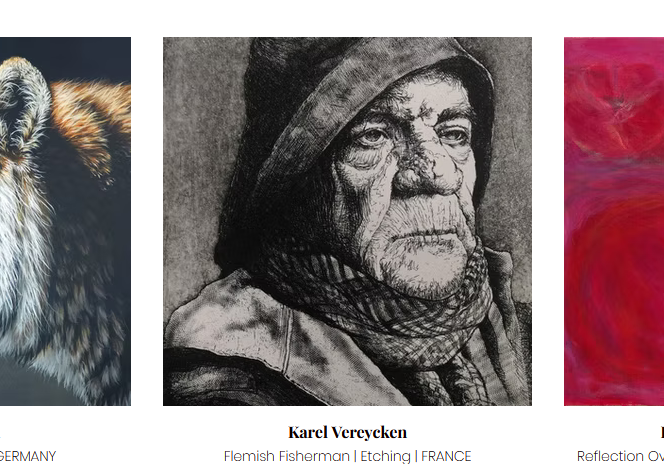
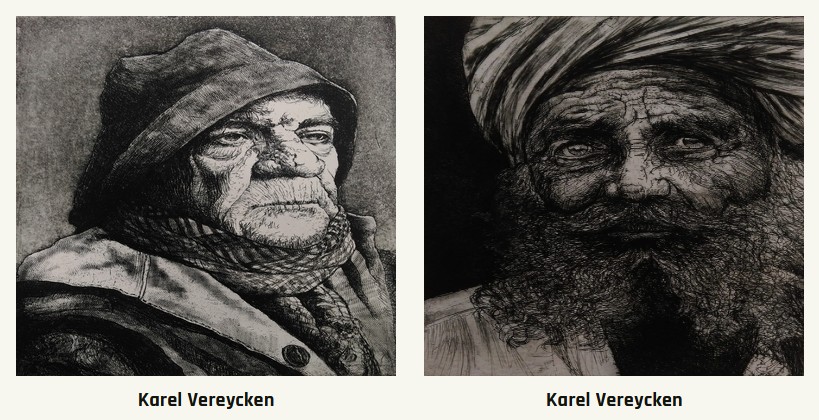
His engraving « Flemish Fisherman » will be physically present at the show. The list of the 20 winners is here.
Event Details:
- Venue: Hôtel Particulier Beaujon,
208, rue Faubourg Saint-Honoré, Paris, 75008. - Dates: November 23 – December 6, 2026
- Gala Night: November 25, 2026.
Karel Vereycken Gets First Prize at Romanian « Festival 4 Arts »
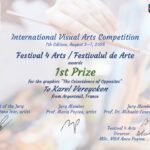
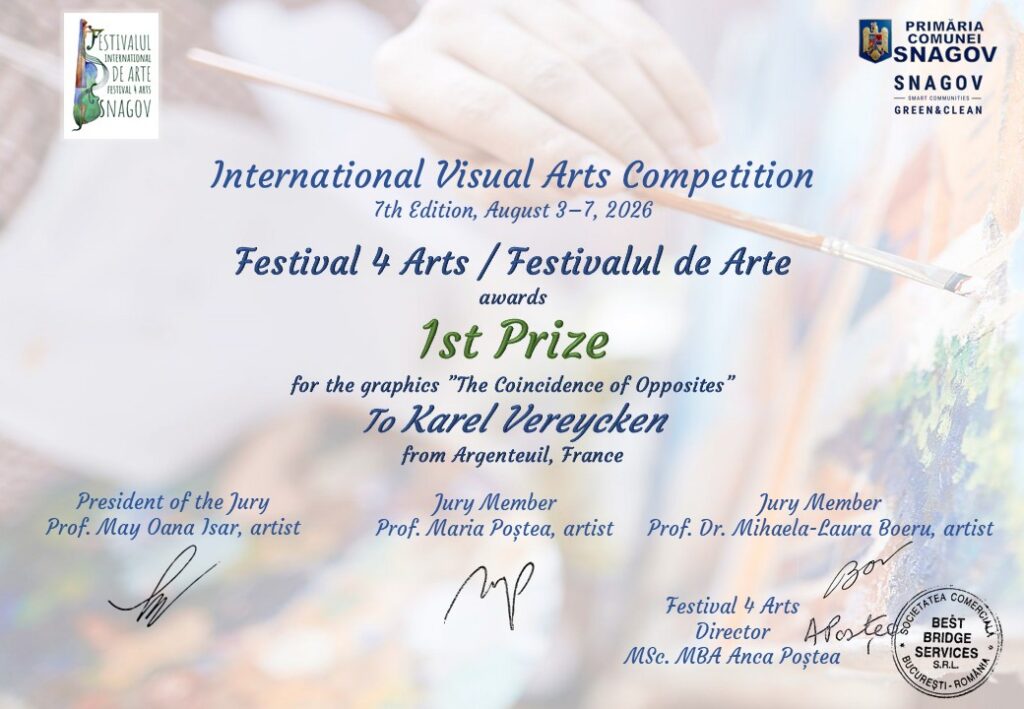
I’m very proud of receiving — for my engraving The Coincidence of Opposites — the First Prize of the 7th edition of the Romanian Festival 4 Arts. Many thanks and congratulations for all the young and less young artists and colleagues. Gives me a lot of hope!
Karel Vereycken longlisted for Artist of the Year Award

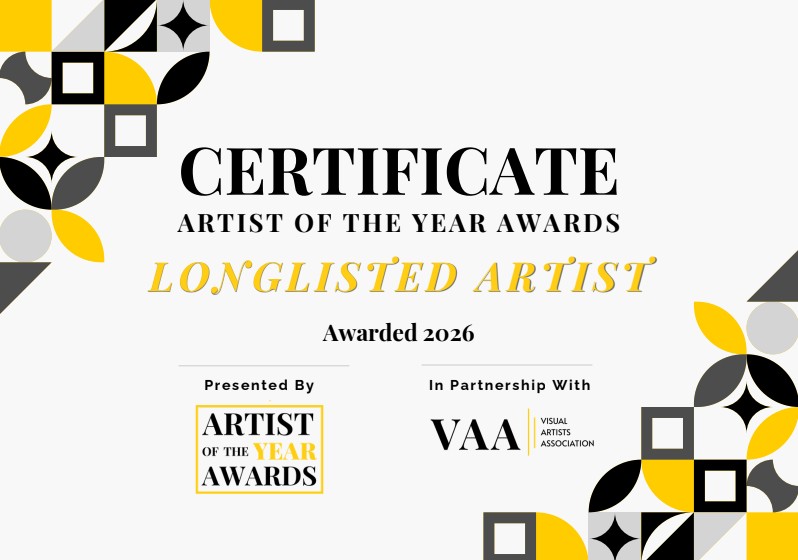
On July 29, Franco-Belgian painter-engraver Karel Vereycken was informed by the Visual Artists Association (VAA, based in London, UK) :
Dear Karel,
Thank you for applying to the Artist of the Year Awards 2026. We are delighted to inform you that you have been longlisted and will now progress to the second stage of the art prize – a massive congratulations!
With such a strong range of entries received this year, reaching the longlist is a fantastic achievement and reflects the strength of your submission. The judging process will now continue, with shortlist results expected to be announced in September 2026.
Karel Vereycken gets honorable mention in Portrait art contest
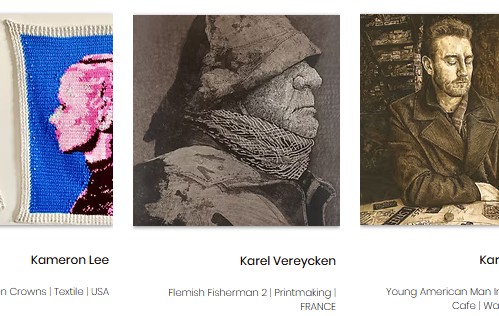
On July 8, 2026, painter engraver Karel Vereycken was informed, that with his engraving Fisherman 2, he obtained an Honorable Mention Award in Teravarna’s « 13th Portrait » 2026 International Juried Art Competition.
Karel Vereycken’s mastery of classical techniques
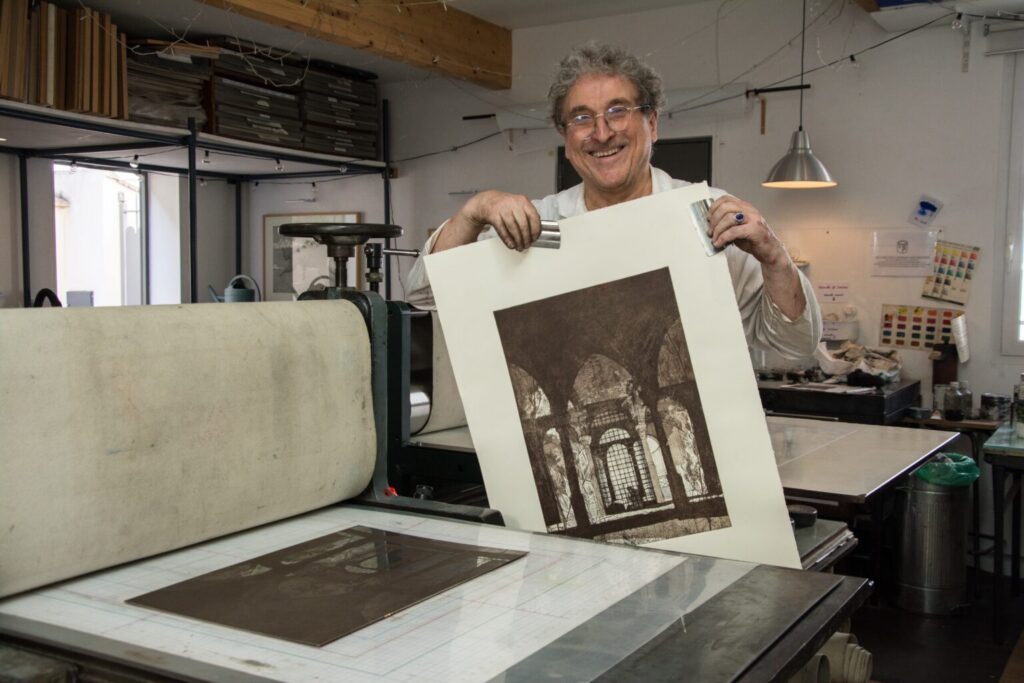
On May 24, 2026, art historian Lode Goukens wrote the following in an article published on the Belgian Flemish website ‘t Pallieterke.
The article was titled « Karel Vereycken’s mastery of classical techniques »
‘The Flemish painter and etcher Karel Vereycken lives and works in France. On May 1, he exhibited his latest etchings. One particularly large one depicted the interior of a monastery with a monk. This exceptional work—of which he produced four versions—illustrates his special interest in the classical masters.’
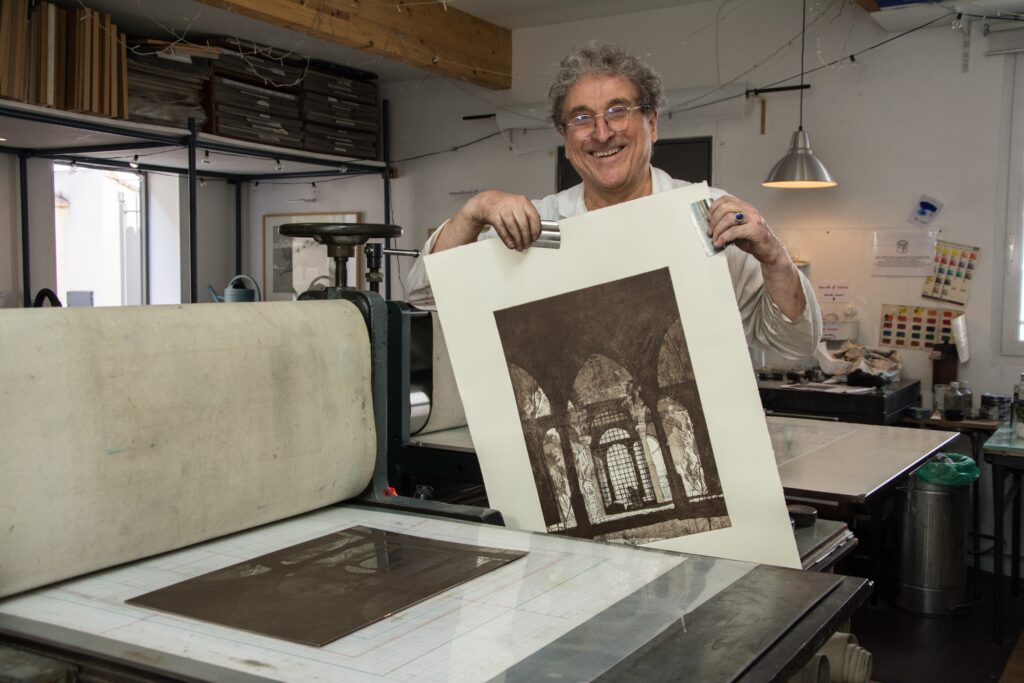
The etching measures 35 x 50 cm and costs 500 euros. A “state” is a version that is lost if further adjustments are made to the etching plate by the artist or the printer. Rembrandt is known to have sometimes produced dozens of states. Each state is therefore a limited edition, sometimes consisting of only a few copies.
Ideas and Emotions
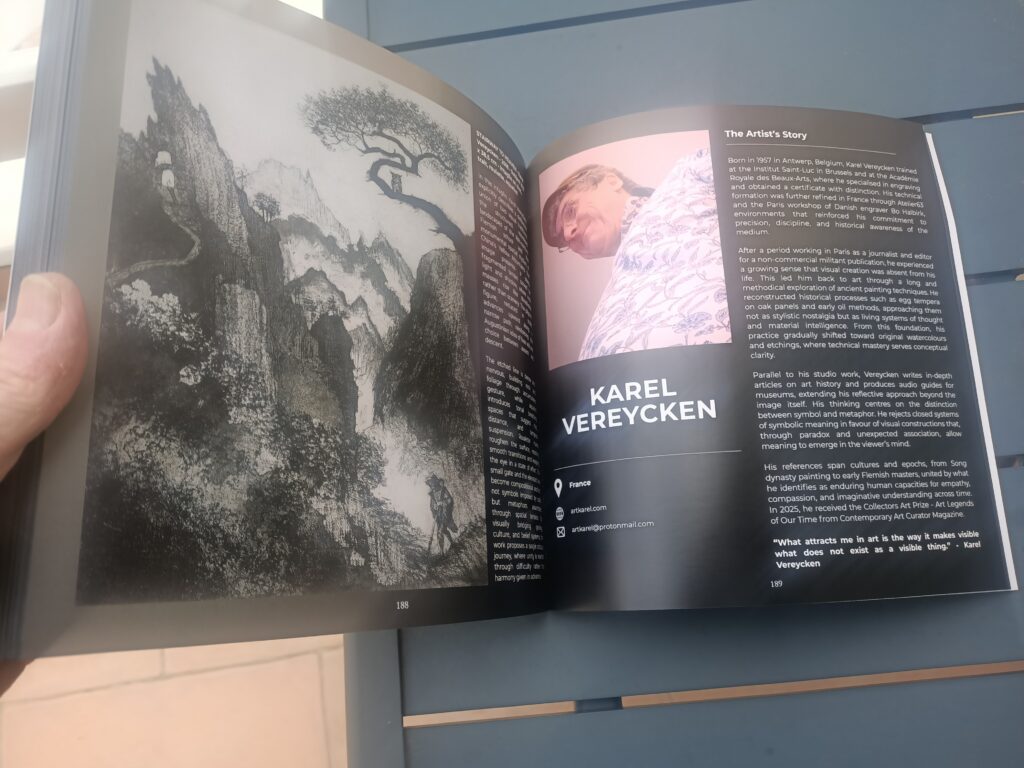
Karel Vereycken was born in 1957 in Antwerp and grew up in a family with ties to the Port of Antwerp and the shipbuilding industry. Vereycken is primarily active as a painter and engraver, but also writes as an art historian. He studied fine arts at the Institut Saint-Luc in Brussels and subsequently studied engraving at the Académie Royale des Beaux-Arts in Brussels, where he graduated with honors.
For decades, Vereycken has focused on watercolor and printmaking, particularly etchings on zinc and copper, often using techniques such as aquatint, sugar lift, and mousse lift. His work combines classical technical mastery with a strong emphasis on symbolism, allegory, and metaphor, through which he seeks to make ideas and emotions “visible” that are not immediately present in the visible world. Vereycken is working on a book about Quinten Matsys and Da Vinci. It is scheduled to be published at the end of this year.
I spoke with Vereycken about this masterful etching. “When I was recently in Milan to receive an art award, I visited the Pinacoteca Ambrosiana. There are beautiful paintings there, and the library is a leading repository for Da Vinci’s codices. But I also knew there was a crypt. I was deeply impressed by this almost Paleo-Christian monument. I discovered that dreadful cage reminiscent of Piranesi’s depictions of torture and prisons. In the center of that cage stands a painted plaster statue of the praying Charles Borromeo (well-known in Antwerp), bishop of Milan who was made a cardinal in 1560. Borromeo went to pray in that cage every week before a tombstone that is a replica of Christ’s in Jerusalem. What impressed me is how that man (whom I do not hold dear in my heart), as a clergyman, praying in a sort of double prison (cage + crypt), apparently felt spiritually completely free in God. A divine paradox,” Vereycken said.
“So that was my starting point. Hence the Cusian title ‘Coincidence of Opposites.’ I raised the vaults and made them more monumental. I also used varnish to imprint plant motifs, to enhance a spatial effect that is both open and yet enclosed. A bit of sleight of hand, but the magic was definitely there!”
The article was translated by Karel Vereycken from Dutch into English.
Here is a link to the original Flemish version:
https://pal.be/2026/05/de-klassieke-technische-beheersing-van-karel-vereycken/
Karel Vereycken Celebrated in « 100 Artists of Europe » Book
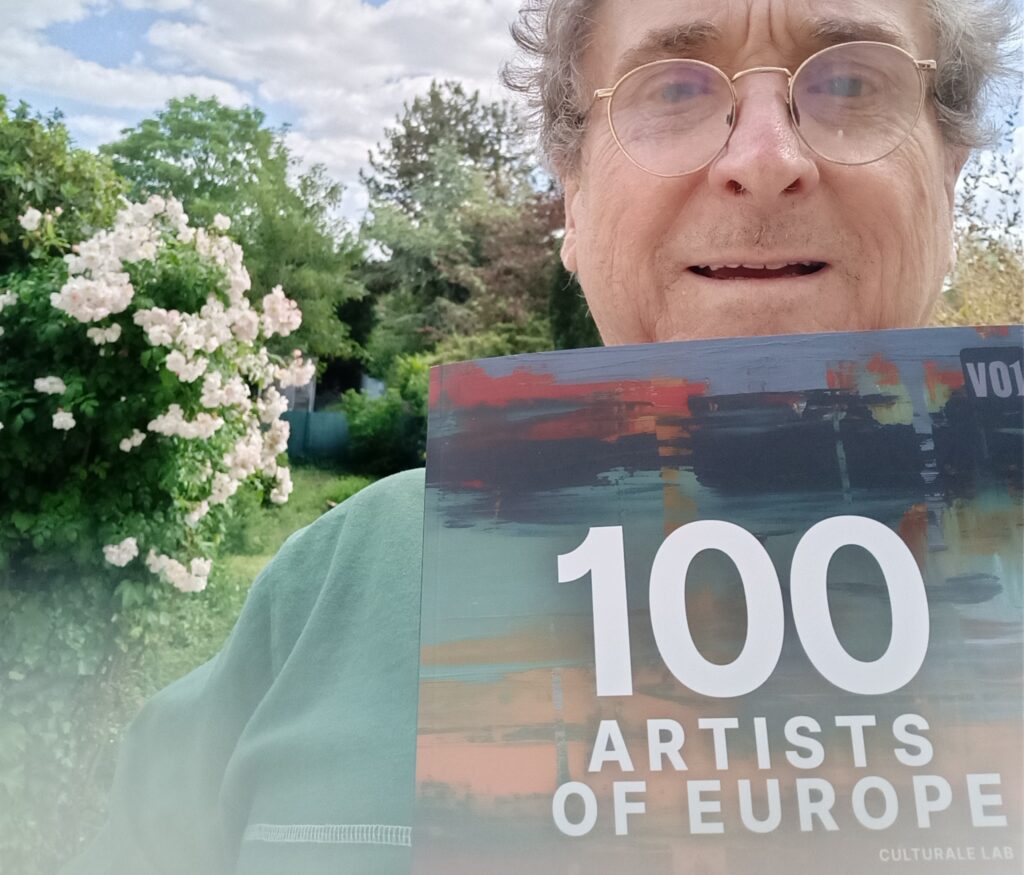
The art work of Franco-Belgian painter engraver Karel Vereycken is featured in the just released book « 100 Artists of Europe » published by Culturale Lab. The artist is honored to be part of this initiative celebrating creativity across our continent ! #100ArtistsOfEurope #EuropeanArt #CultureAndArt
Be the Peace You Want For All
Karel Vereycken wins Megalopolitan Art Gallery’s Talent Prize
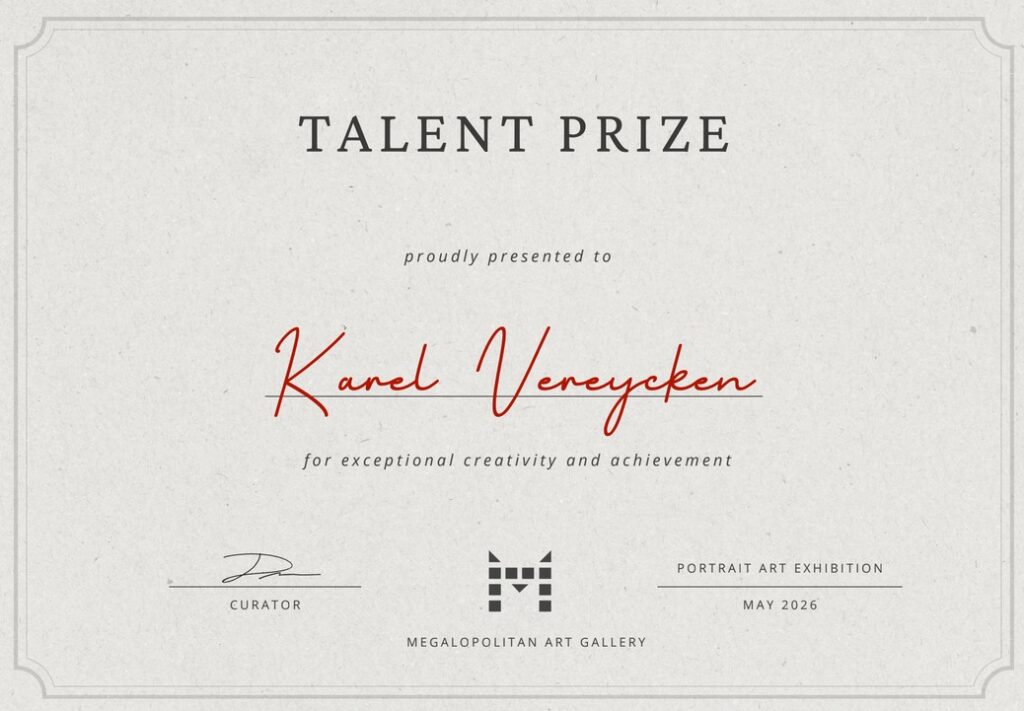
On May 1st, franco-belgian painter and engraver Karel Vereycken received the following news from the Megalopolitan Art Gallery:
« Congratulations! It is our privilege to announce that your artworks have been selected for Portrait, 2026 International Online Exhibition. The jury has recognized your exceptional work with the Talent Prize award. »
The exhibition is now live at: https://megalopolitanart.com/current
Karel Vereycken featured on FineArtsNews.com
Karel Vereycken: Crafting Paradoxical Metaphors to Reveal the Invisible
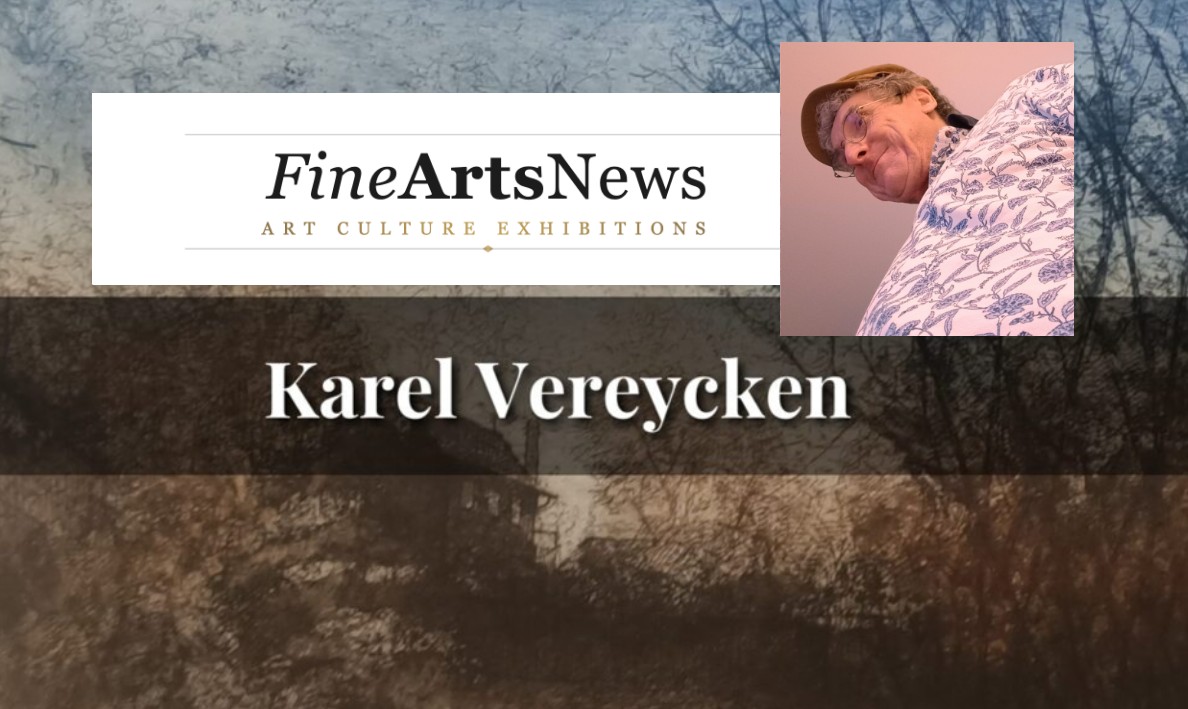
Franco-Belgian painter engraver Karel Vereycken is now featured on FineArtsNews.com!
This amazing opportunity was made possible through Culturale Lab (@culturalelab @culturalelab_art), a platform dedicated to supporting and promoting contemporary artists worldwide.
His story has been published on FineArtsNews.com, a respected international publication covering fine arts, museum exhibitions, and the global art scene.
« It’s an incredible honor to have my work and artistic journey showcased to art collectors, gallery professionals, museum curators, and fine art lovers worldwide, » said Vereycken. « This feature explores my creative process, inspirations, and recent works. I’m grateful for this opportunity to connect with art lovers and collectors around the world. »
Read the full article:
https://fineartsnews.com/2026/04/karel-vereycken-crafting-paradoxical-metaphors-to-reveal-the-invisible/
Karel Vereycken: Crafting Paradoxical Metaphors to Reveal the Invisible
Posted on by Jonathan Hale

Also available in: ES FR DE IT ZH
In a world often saturated with the immediate and the obvious, there exists an artist dedicated to excavating deeper truths, coaxing the intangible into the realm of the visible. Karel Vereycken, an engraver whose journey began in the storied city of Antwerp, Belgium, and now flourishes in Argenteuil, France, is such an artist. His work transcends mere representation, delving into the complex tapestry of human experience through meticulously crafted paradoxical metaphors. Vereycken’s art is not simply to be observed; it is an invitation to a profound dialogue, a contemplation of the unseen forces that shape our lives.
A Foundation Forged in Curiosity and Discipline

Born in Antwerp in 1957, Karel Vereycken’s artistic path was not a straight line but a rich exploration shaped by both circumstance and innate drive. His parents, who navigated the challenges of a port and ship repair industry background, recognized the importance of cultural enrichment for their children. While an early foray into music, cut short by a rigid teaching method, led him to a communal drawing school, it was here that the seeds of his artistic future were sown. Under the tutelage of Herman Cornelis, a sculptor with a hands-on, intuitive approach, Vereycken learned the power of observation and replication. A pivotal moment arrived at the age of twelve when he secured his first art prize. This recognition, coupled with his teacher’s conviction of his “precious talent,” propelled him towards more formal training. His mother’s encouragement led him to the Institut Saint-Luc in Brussels, where he immersed himself in Plastic Arts. Here, the rigorous study of anatomy and the works of masters like Leonardo da Vinci and Albrecht Dürer provided a foundational understanding of form and expression. His dedication to mastery further solidified at the Académie Royale des Beaux-Arts, where he earned a certificate of passage in copper engraving “with distinction.”
The subsequent move to Paris marked a period of diverse engagement. Vereycken initially pursued journalism and editing for a non-commercial publication, but the call of art remained insistent. He returned to his artistic roots, initially exploring ancient painting techniques, recreating the works of old masters using hand-made egg tempera and traditional oil methods. This period, while enriching in its technical discovery, proved challenging in terms of exhibition, as the works found new homes before he could present them. This led to a renewed focus on watercolors and the meticulous craft of etching, mediums that would become central to his practice.
His ongoing commitment to honing his skills is evident in his continued engagement with the etching community in France. As a member of the Fédération nationale de l’estampe, Vereycken refined his technical prowess at Atelier63 and further perfected his craft at the Montreuil printing workshop founded by the Danish engraver Bo Halbirk. This journey, from the vibrant streets of Antwerp to the artistic hubs of Brussels and Paris, underscores a lifelong pursuit of excellence and a deep-seated passion for the enduring power of artistic creation.
“Sublimart”: The Art of Paradoxical Metaphor

Vereycken’s artistic output is best described by his coined term, “sublimart”—a fusion of “sublime” and “art.” This neologism encapsulates his unique approach: figurative art that employs paradoxical metaphors to elevate the soul to a sublime level. His work is not about superficial beauty or direct narrative, but about constructing visual paradoxes that act as gateways to deeper understanding. “Making visible the invisible,” as he succinctly puts it, is the driving force behind his creations. He achieves this not through conventional symbolism or straightforward depiction, but by weaving together disparate elements in a way that challenges perception and sparks contemplation.
The materials and techniques he primarily utilizes – etching, painting, oil, and watercolor – are employed with a discerning hand. Etching, with its inherent precision and the intricate lines it allows, is particularly suited to his exploration of layered meaning. The process of etching demands patience and deliberate action, mirroring the thoughtful construction of his conceptual metaphors. His dedication to classical techniques, combined with a modern sensibility, allows him to imbue his figurative works with a profound emotional and intellectual resonance. Each piece is a carefully orchestrated dialogue between form and concept, inviting the viewer to embark on a personal journey of discovery.
The thematic underpinnings of Vereycken’s work are not consciously pursued but rather emerge organically from his engagement with the world and his artistic explorations. He seeks to “shock people by showing them that nothing is more ‘modern’ and ‘revolutionary’ than ‘classical’ art.” However, his definition of classical art is far from rigid or academic. For Vereycken, it represents a “science of composition based on non-cynical, liberating, ironical, poetical metaphors.” These metaphors, he believes, are the fundamental keys to all forms of art, whether visual or musical. His approach is rooted in the understanding that art is a profound “gift” from the artist to the viewer, an act of love that fosters connection and shared experience.
A Vision of Artistic Enlightenment

Karel Vereycken’s artistic endeavors are imbued with a profound sense of purpose, extending beyond the creation of aesthetically pleasing objects. He views his work as a form of “teaching activity,” a “humanistic intellectual guerrilla warfare” aimed at awakening viewers to new dimensions of perception. While he acknowledges the importance of sales for furthering his artistic endeavors, his ultimate motivation lies not in pandering to popular taste but in facilitating a deeper connection with the viewer. He strives to make art a “window” to realms that people intuitively recognize as significant but have often been denied access to.
His commitment to this vision is exemplified by his efforts to share his knowledge and passion. He has led numerous guided tours of major art institutions like the Louvre in Paris, the Museums of Antwerp, Brussels or Frankfurt, the Brera in Milan, the Gemäldegalerie in Berlin and the Metropolitan Museum in New York. These immersive experiences have been documented, with some audio recordings available on his website, allowing a wider audience to benefit from his insights. The heartfelt gratitude he has received, with individuals expressing their astonishment at how deeply ideas can be conveyed through paintings, underscores the impact of his pedagogical approach.
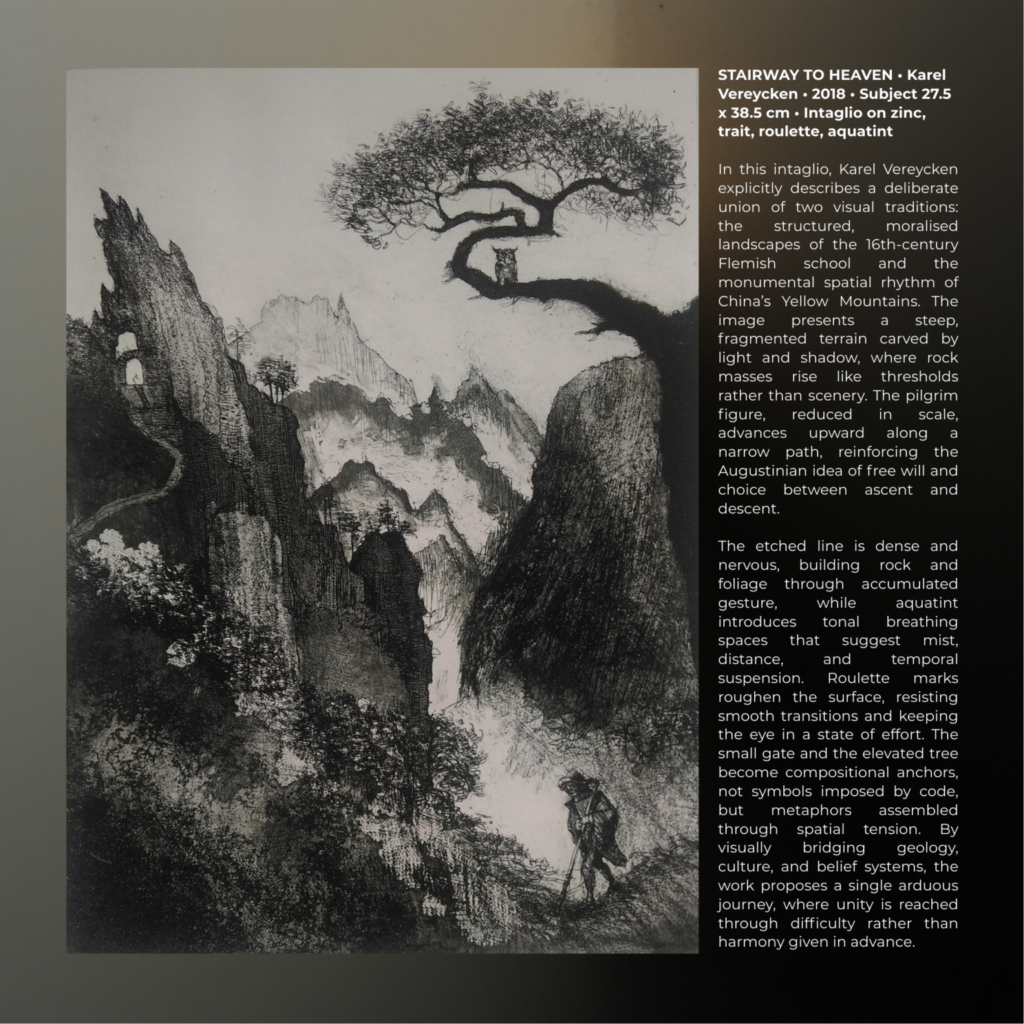
Looking ahead, Vereycken’s trajectory continues to be marked by active participation and a desire to broaden his reach. Having been digitally showcased at ARTEXPO in New York and ARTSHOPPING at the Carrousel du Louvre in Paris, he remains engaged with contemporary art platforms. Following his “Mona Lisa Prize” win and subsequent exhibition at Galerie Mona Lisa in Paris, his focus remains on sharing his transformative art. The prospect of an exhibition in El Salvador for SUMARTE 2026 signals his international aspirations and a continued commitment to making his unique perspective accessible to a global audience. His ongoing work, such as the conceptually rich “Stairway to Heaven,” demonstrates his continued exploration of marrying diverse visual inspirations—in this instance, the landscapes of China’s Yellow Mountains with Flemish landscape traditions—to craft potent metaphors for the human journey.
Karel Vereycken’s art is a testament to the enduring power of intellectual curiosity, technical mastery, and a profound belief in the capacity of art to illuminate the human spirit. Through his creation of paradoxical metaphors, he invites us to look beyond the surface, to engage with the invisible currents of meaning that shape our existence. His work is a vital reminder that true artistry lies not just in what is seen, but in what is felt, understood, and ultimately, revealed.
To connect with Karel Vereycken and explore his captivating work, please visit his website and social media platforms:
- Website: https://artkarel.com/
- Instagram: https://www.instagram.com/karelvereycken/
- Facebook: https://www.facebook.com/karel.vereycken/
- Manifestampe Profile: https://www.manifestampe.org/utilisateur/karel-vereycken/profil
- Contemporary Art Curator Magazine Interview: https://www.contemporaryartcuratormagazine.com/home-2/karel-vereycken-interview
Karel Vereycken featured in ART LOVERS Magazine
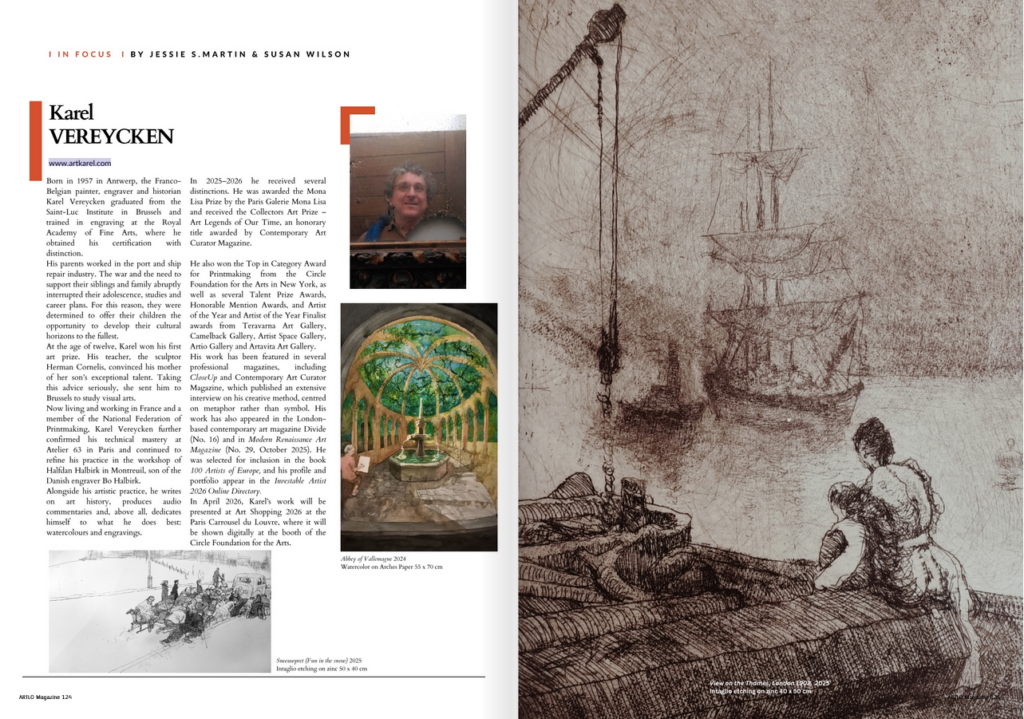
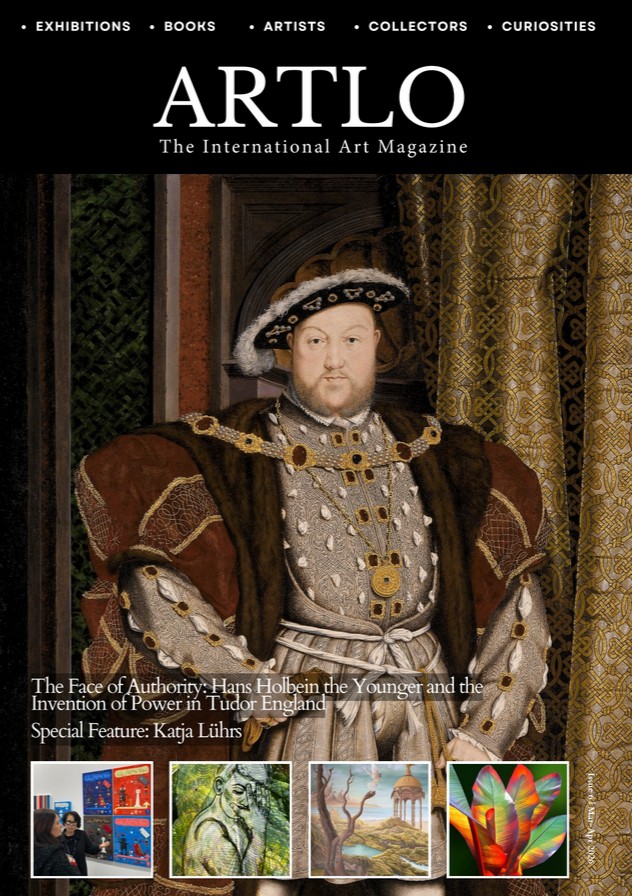
The outstanding and beautiful International Art Lovers Magazine (ARTLO), published in Spain, in its March-April issue N° 6, 2026, offers a two page feature article on Franco Belgian painter engraver and historian Karel Vereycken.
ARTLO identifies itself as « a group of people who are passionate about art – true art lovers who are enthusiastic about everything we do in the creative world. We love discovering emerging artists and being part of a community where art is a way of life ».
ARTLO Magazine clearly offers rich in depth articles allowing a remarkably high level and much needed debate on both « classical » and « modern » art.
You can order, in the coming days, your own print copy, via this link.
Karel Vereycken featured in Art Star Magazine
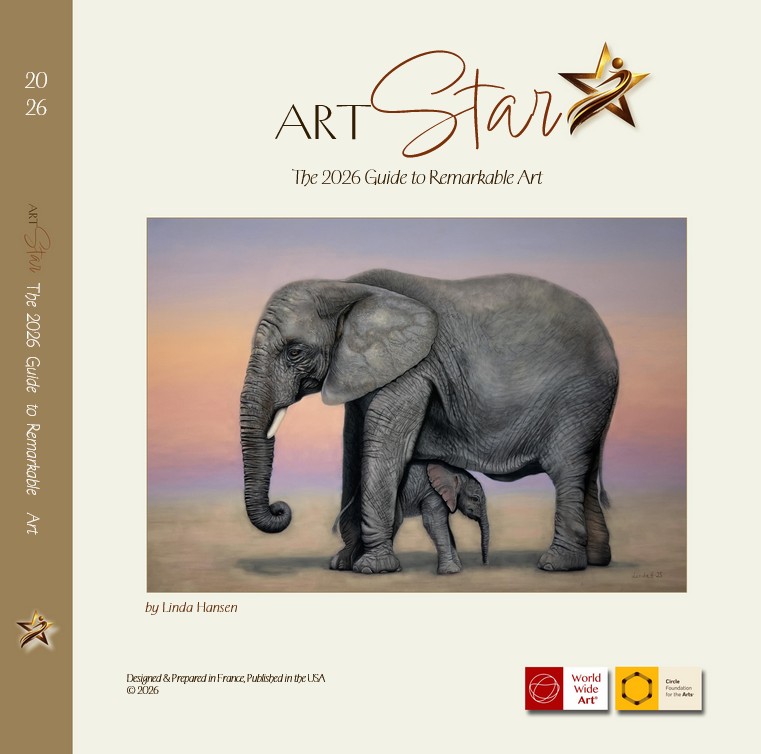
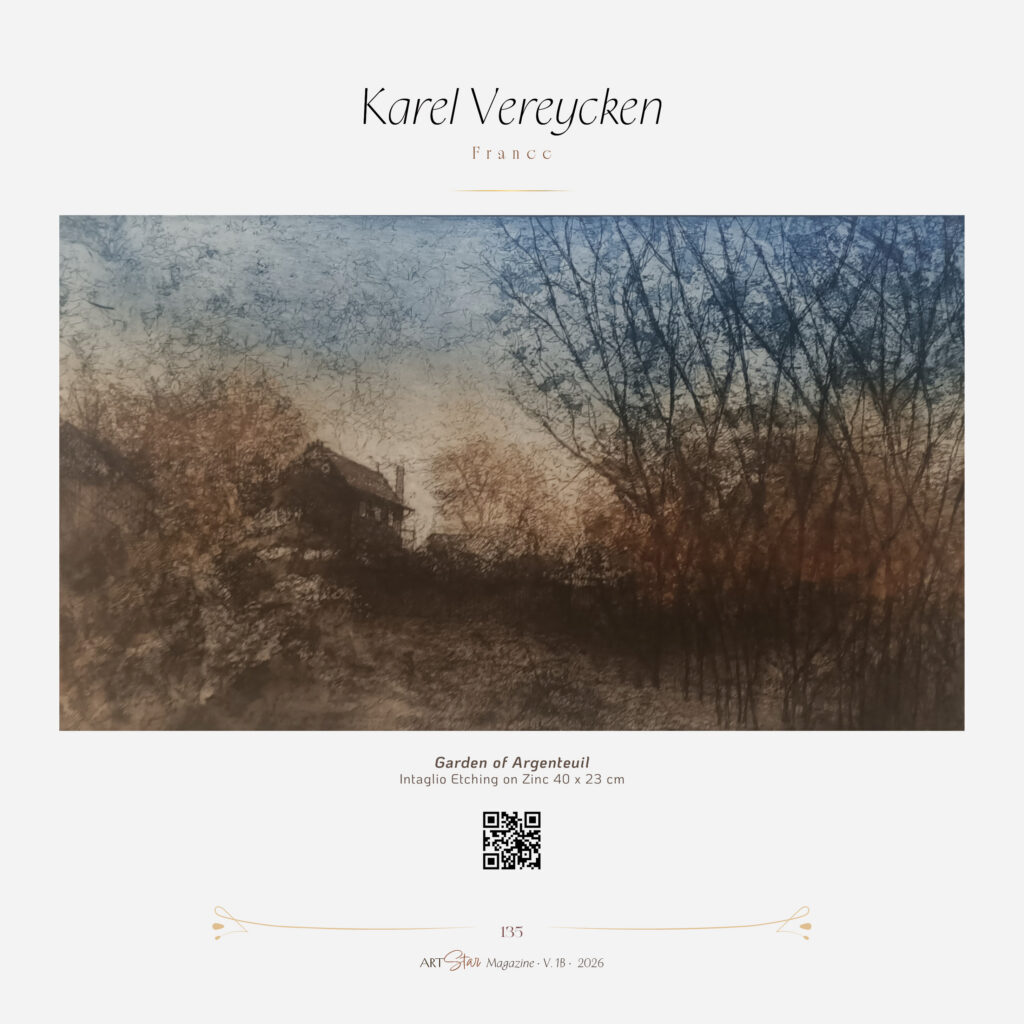
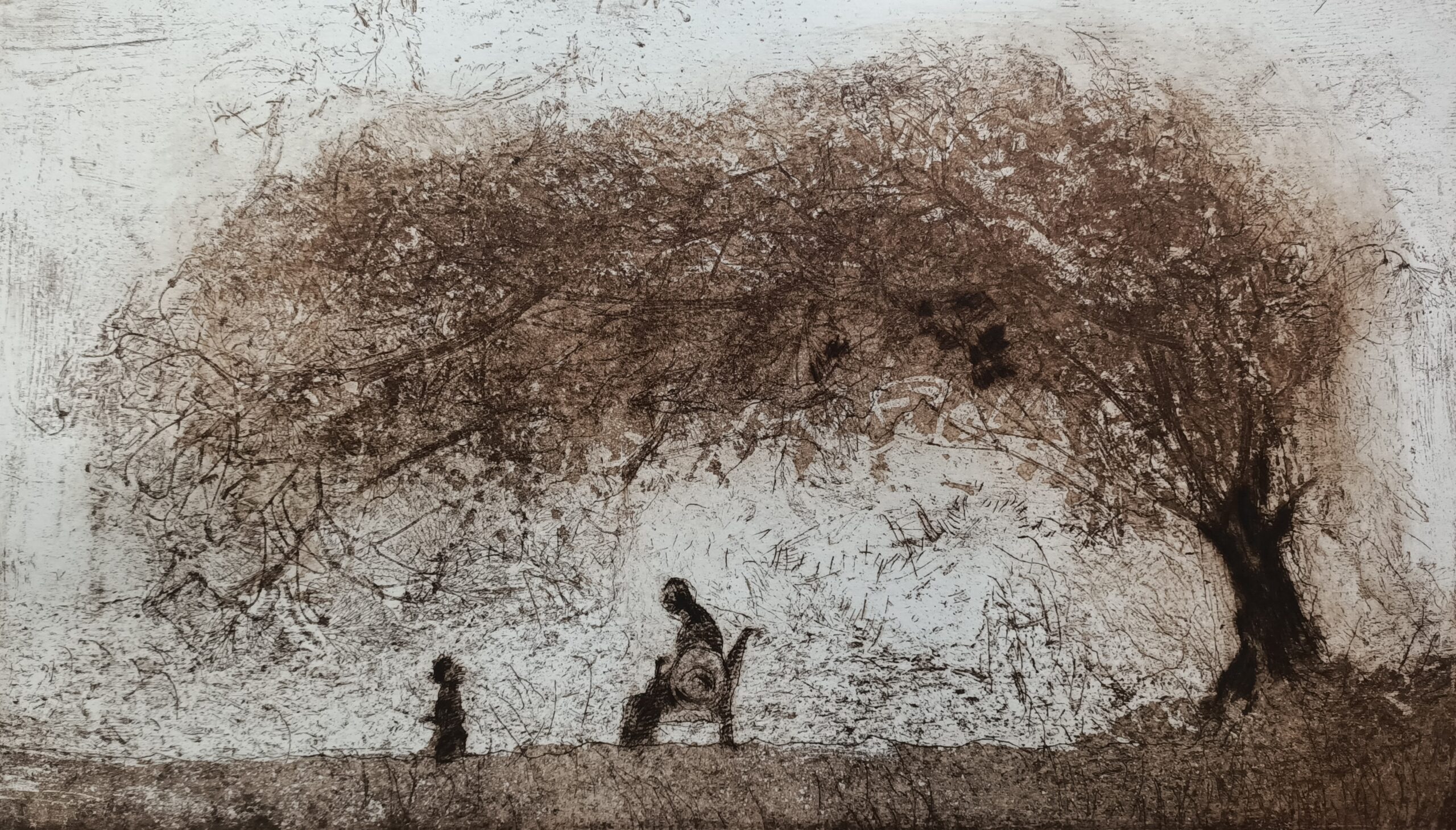
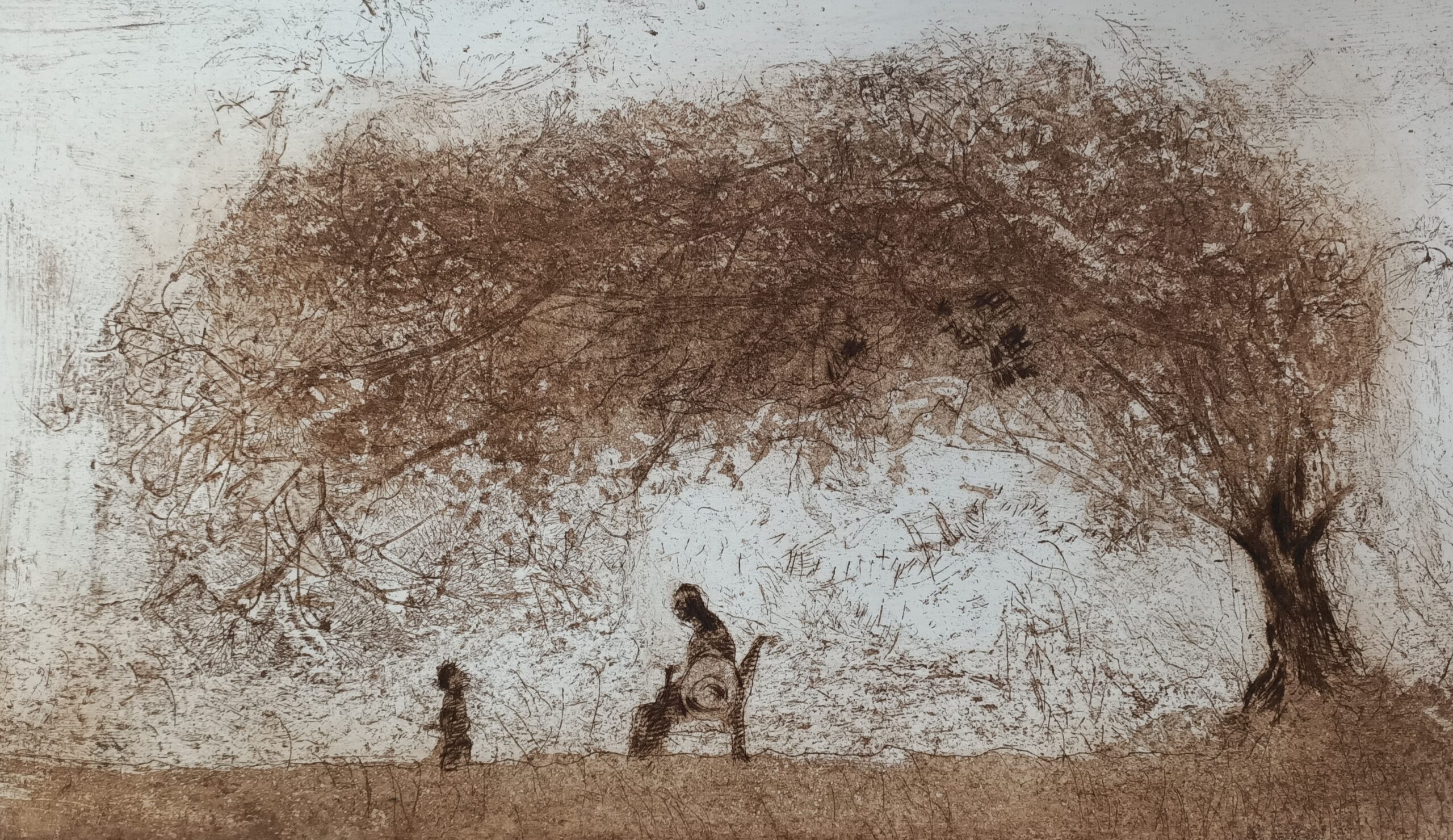
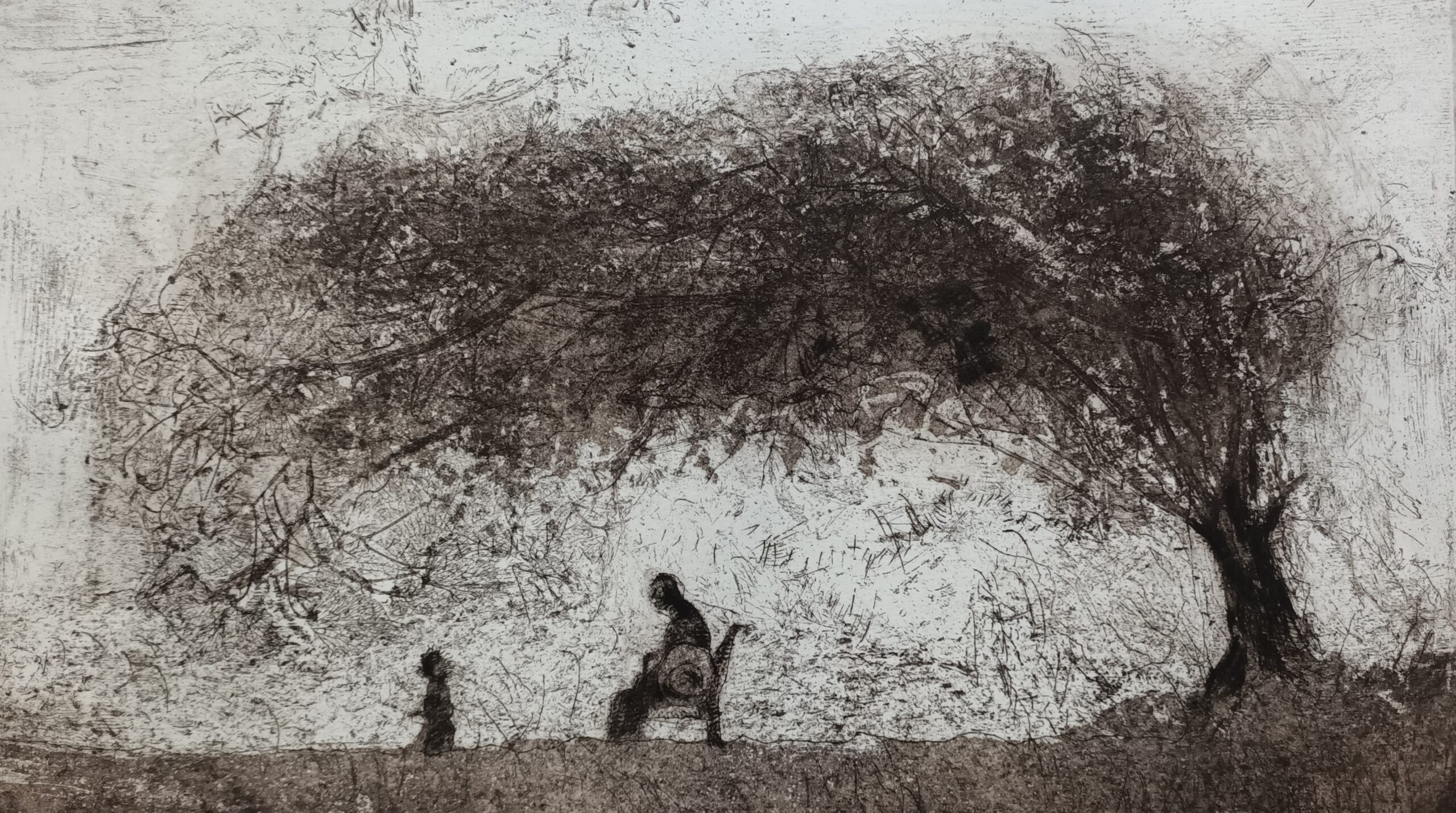
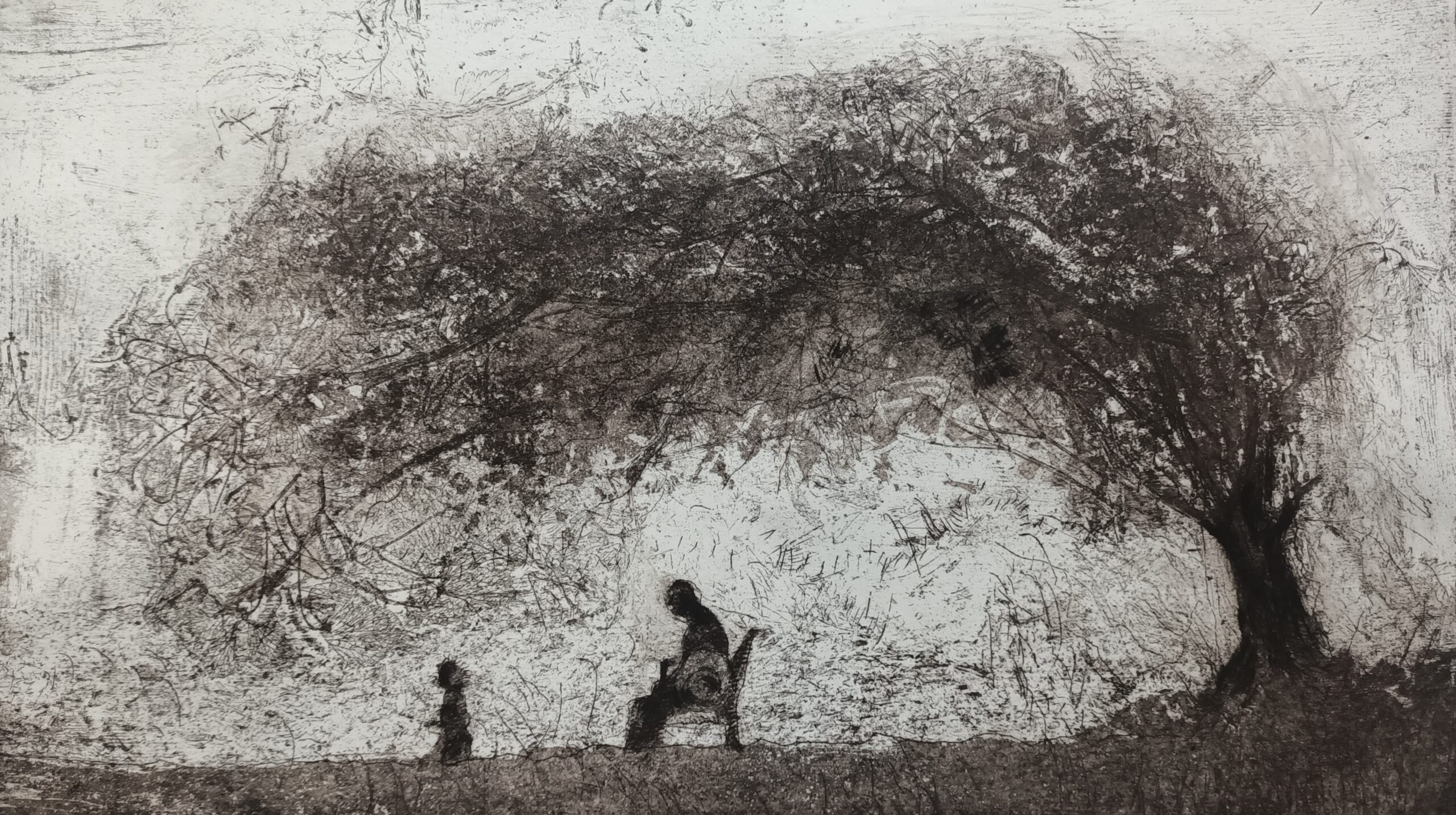
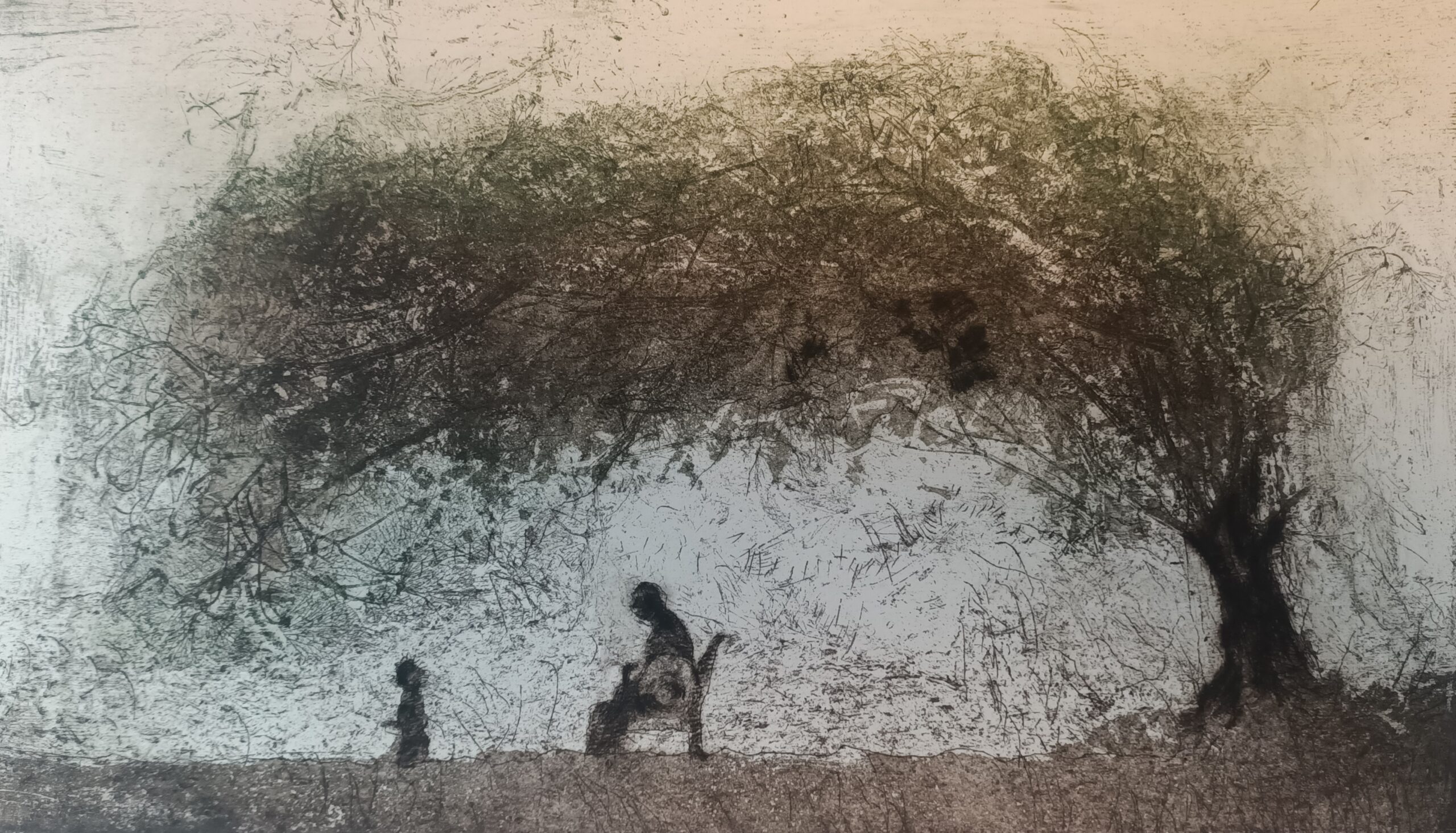
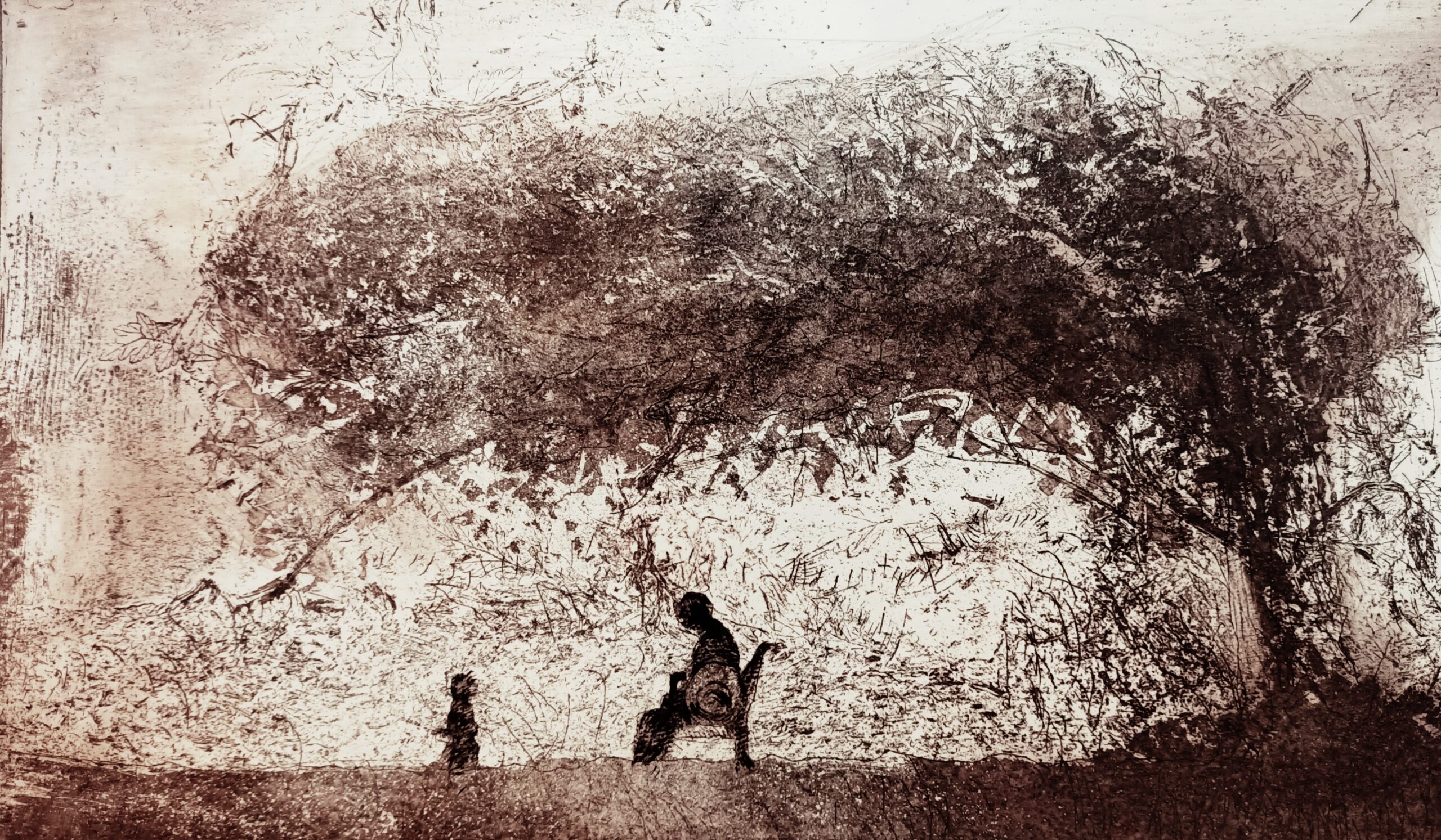
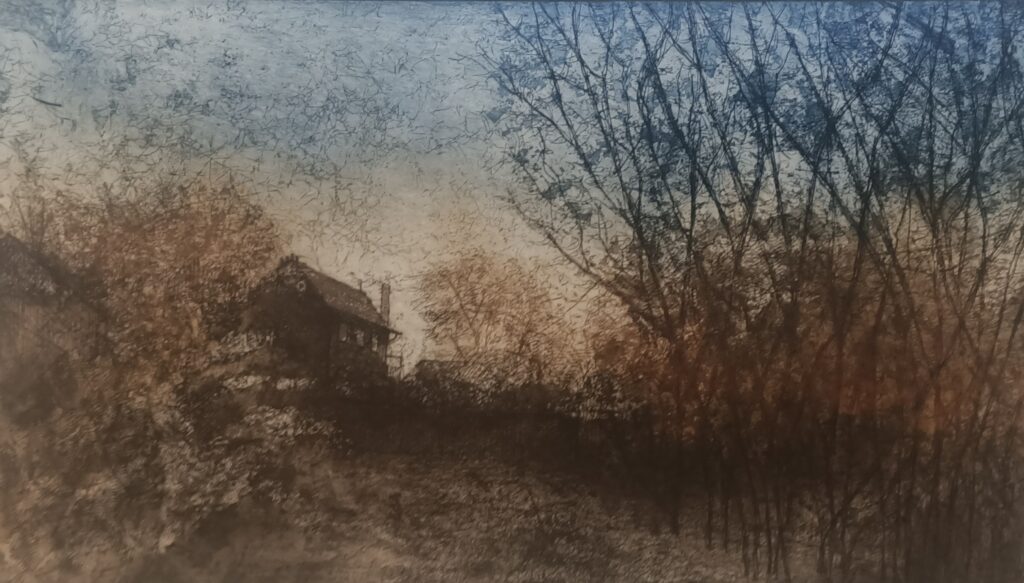
Garden of Argenteuil, a color engraving of Karel Vereycken, is featured in the March issue of ART STAR Magazine, The 2026 Guide to Remarkable Art (V. 1B, 2026).
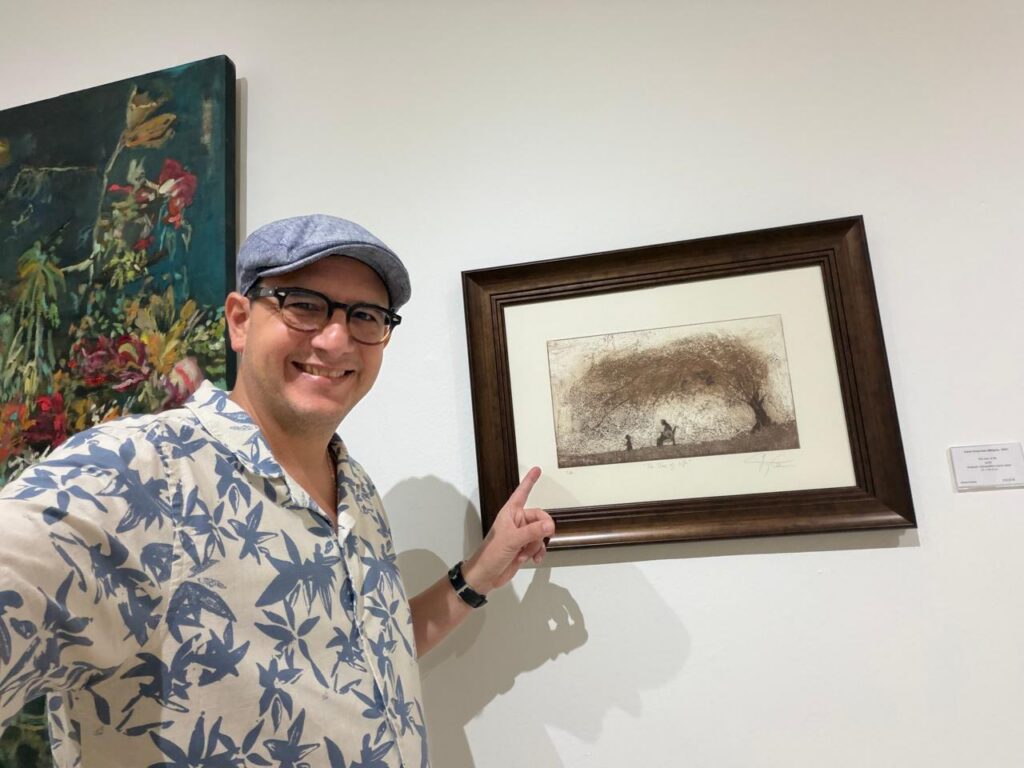
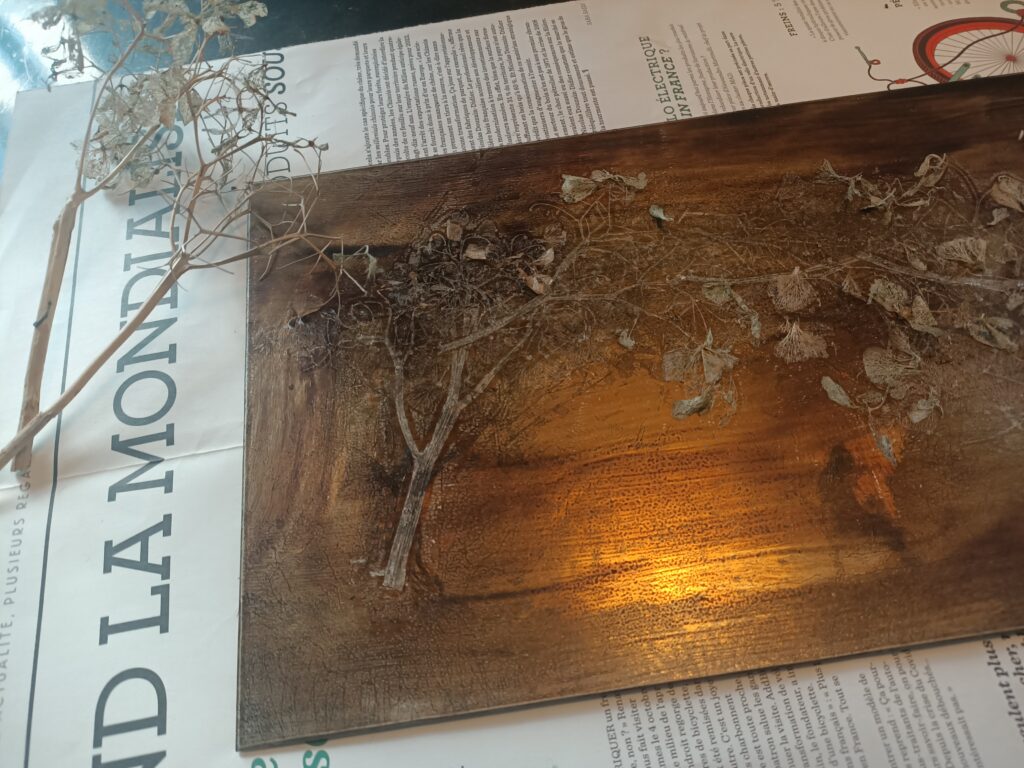
L’arbre de la vie
Karel Vereycken selected by « Arts to Hearts Magazine »
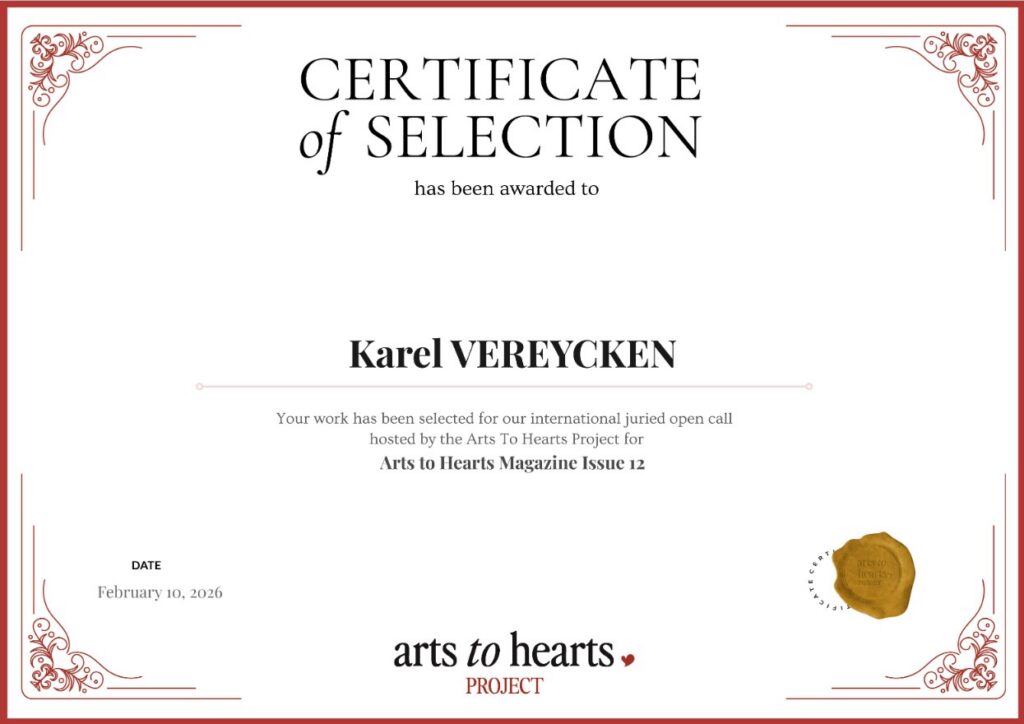
On Feb. 10, 2026, Franco-Belgian painter engraver and historian Karel Vereycken was informed that his engraving « Garden of Argenteuil », was selected for publication in Arts to Hearts Magazine Issue 12.
« After careful review by our editorial and curatorial team, we are delighted to inform you that your work has been selected for inclusion in this edition of the book. Your submission stood out for its clarity, creativity, and the way it thoughtfully engaged with the theme. With a highly competitive selection process and limited space, we’re truly pleased to welcome your work into this publication. Being part of this edition means your work will be featured alongside artists from our global creative community, and we’re honored to include your voice in this collection. »
Karel Vereycken files for Henry Raeburn Award
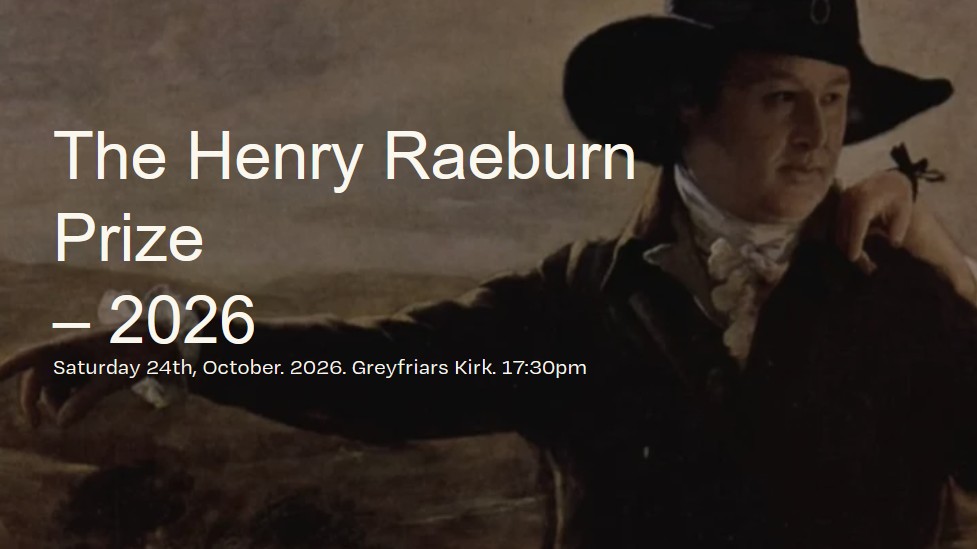
The Franco-Belgian painter and engraver Karel Vereycken filed for participation in the Henry Raeburn Award taking place in the timeframe of the Greyfriars Edinburgh Art Fair, one of Edinburgh’s most distinctive cultural events bringing together an exceptional roster of established and emerging artists.
If the prize will be attributed on Oct. 24th 2026, Karel’s engraving « Flemish Fisherman », as the works of all other participants, is already visible on the organizer’s website.
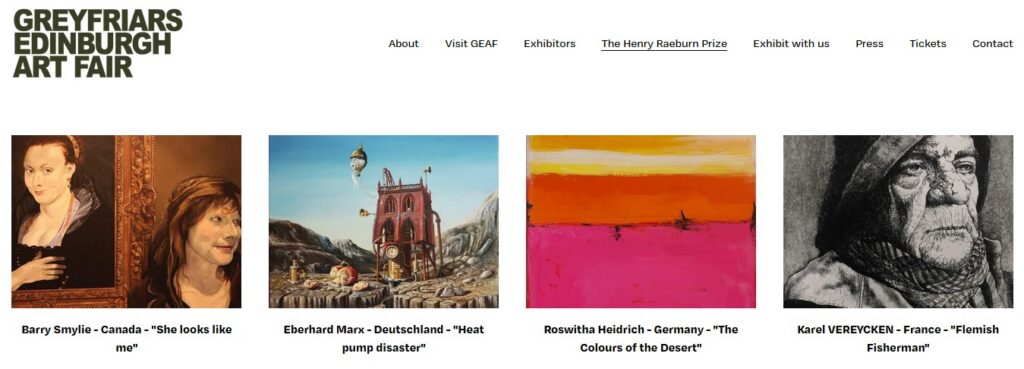
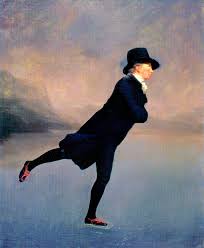
Sir Henry Raeburn
Born in Scotland in 1756, he originally apprenticed as a jeweler and goldsmith before turning his talents toward painting. especially portraiture.
While he is arguably the most recognized artist in Scottish history, Raeburn’s work is also world-renowned. Though he spent a few developmental years abroad, Raeburn lived most of his life in Edinburgh, where he worked and painted until his death in 1823. In his lifetime, Raeburn received countless awards and honors, including his election to the Royal Academy in London.
Karel Vereycken wins « Honable Mention Award » in Portrait Art Contest


On Jan. 9, 2026, Karel Vereycken won a « Honorable Mention Award » in the « 12th Portrait » 2026 International Juried Art Competition of International Art Gallery Taravarna.

