Étiquette : aquarelle
Karel Vereycken finalist for Exhibition in Miami
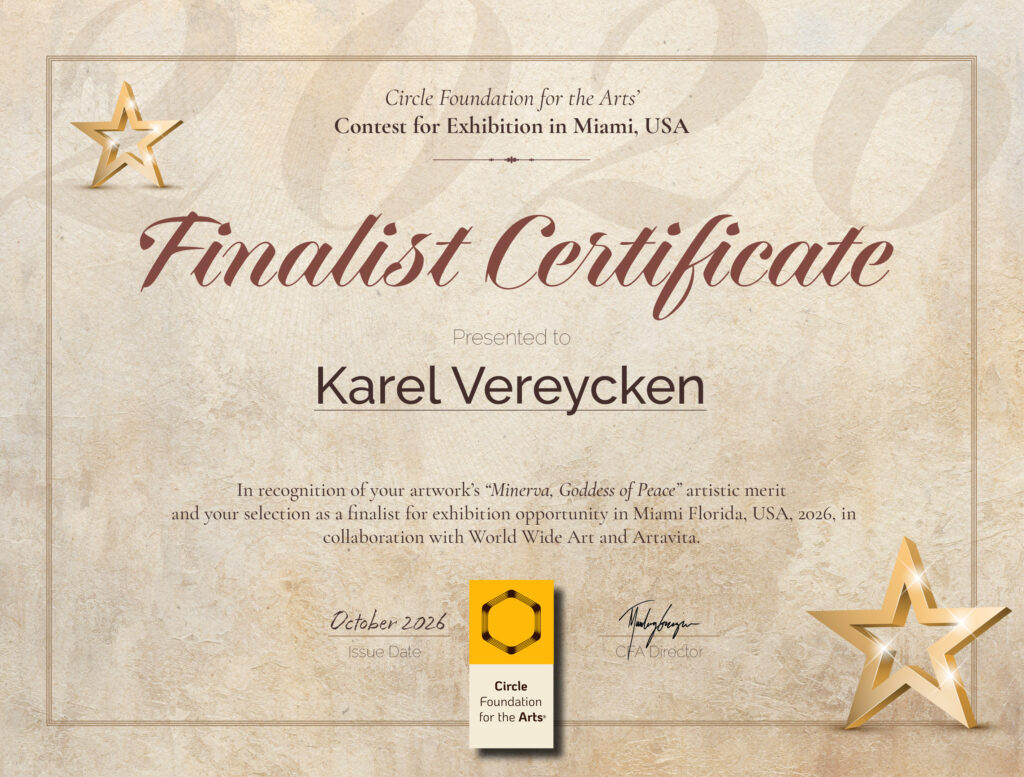
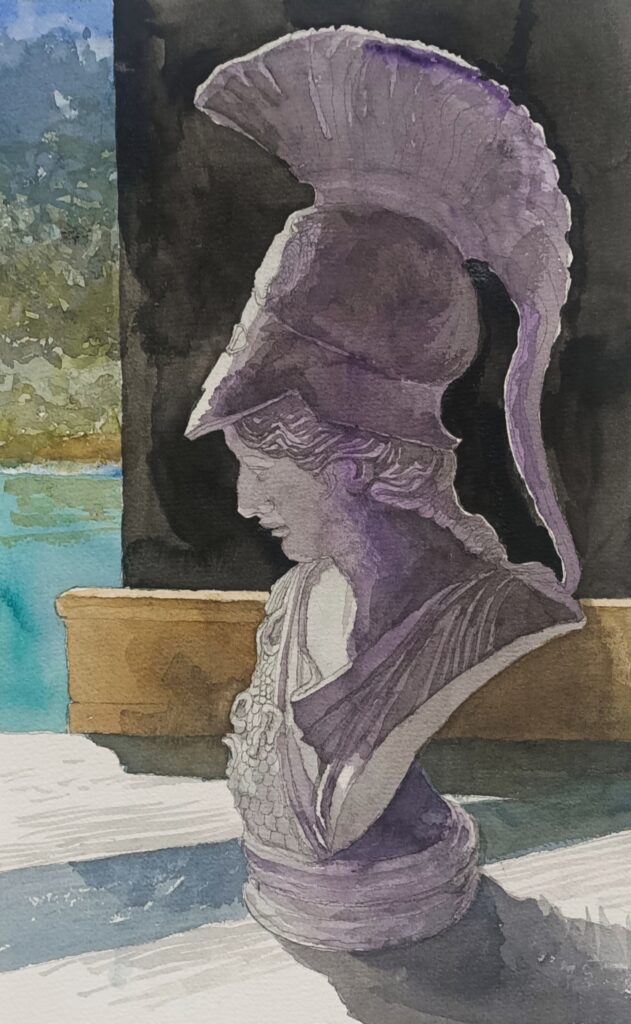
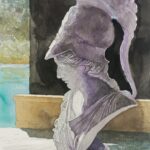
On October 14, 2026, Franco-Belgian painter engraver Karel Vereycken was informed that his watercolor, « Minerva, Goddess of Peace » got him selected as one of the 30 Contest Finalists out of the 141 participants « for exhibition opportunity in Miami Florida, USA, 2026. »
Lack of funding prevents Vereycken so far to seize this opportunity. Maybe acquiring some of his engravings or watercolors can help him out?
Karel Vereycken wins Bronze Award with Peace Goddess
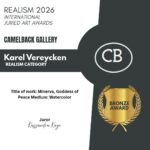
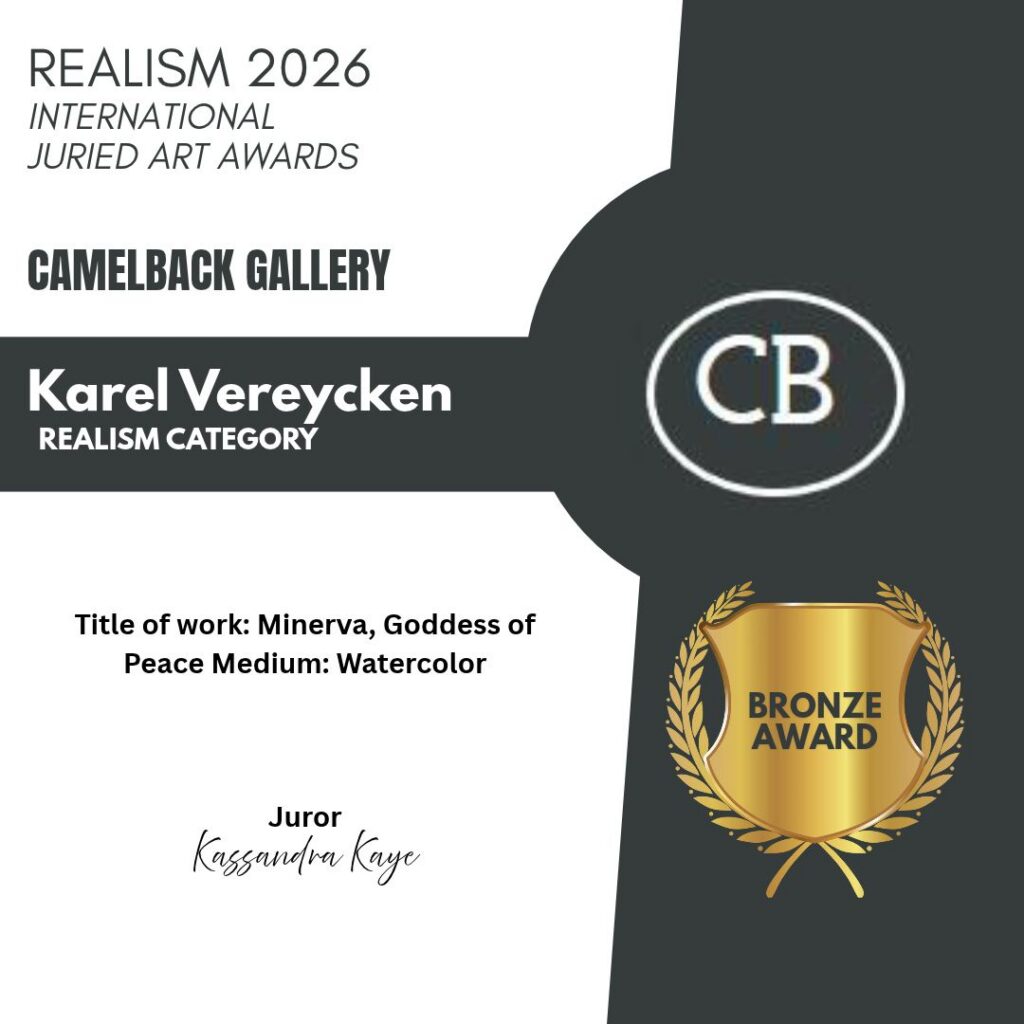
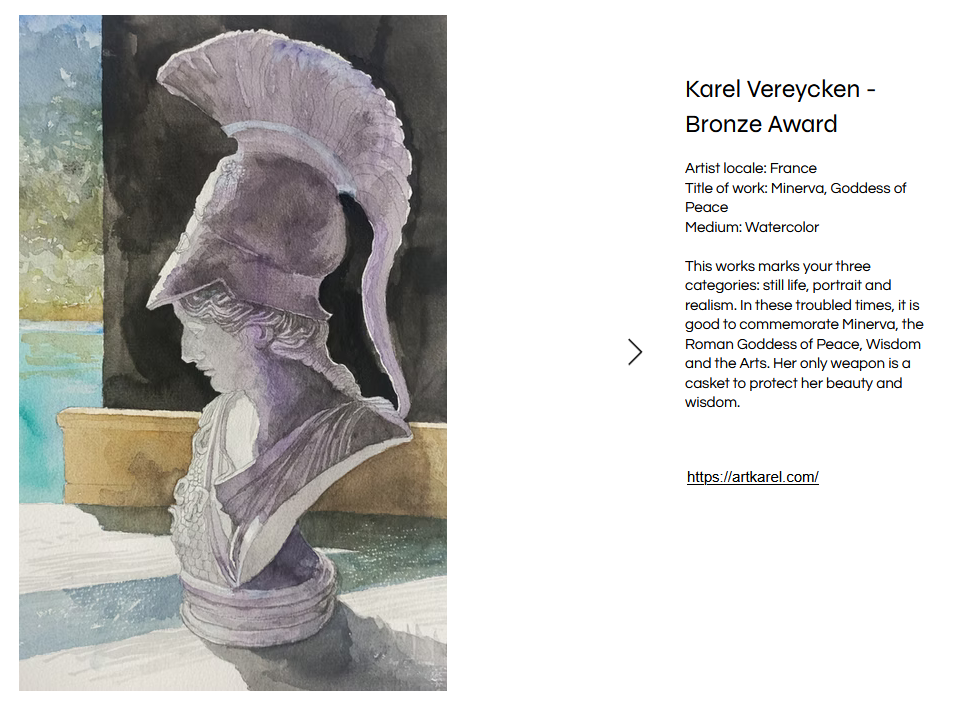
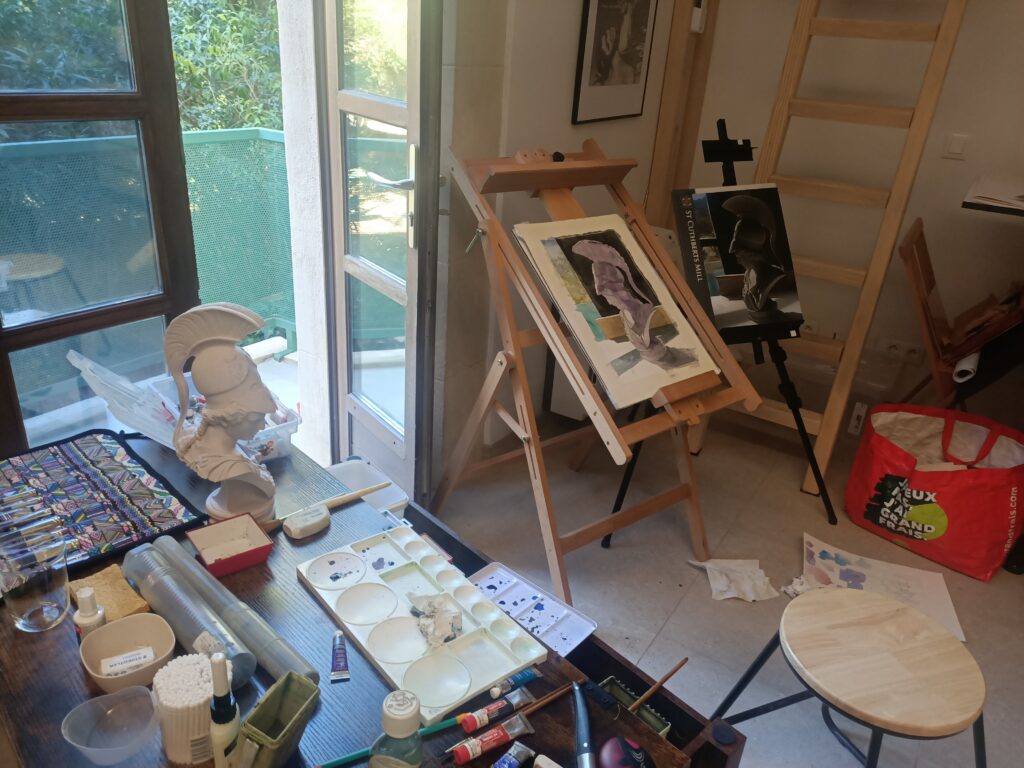
On October 1st, 2026, Franco-Belgian painter-engraver Karel Vereycken was informed that his watercolor Minerva, Goddess of Peace (2026) made him win a « Bronze Award » from Camelback Gallery.
The works of all the other artists awarded can be seen here.
Karel Vereycken Selected for New Road 2 Art Digital Expo
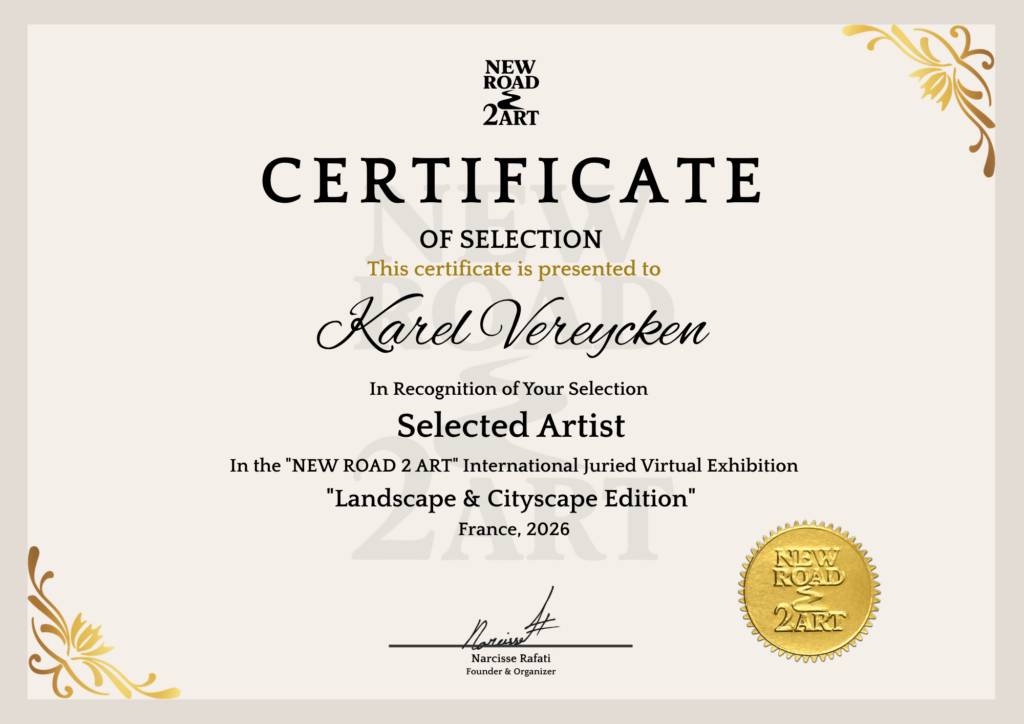
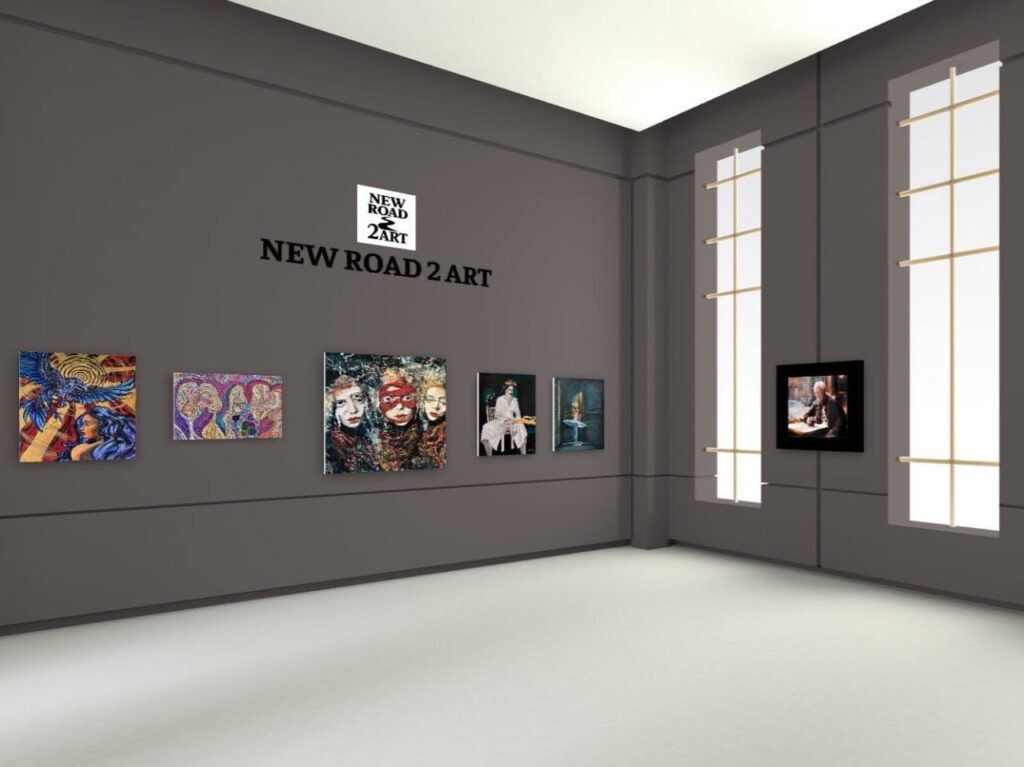
Le peintre-graveur franco-belge Karel Vereycken a été sélectionné pour participation au concours et « Paysage et vues urbaines » et l’exposition digitale de la plate-forme internationale New Road 2 Art.
Un lien sera bientôt disponible pour accéder à l’événement.
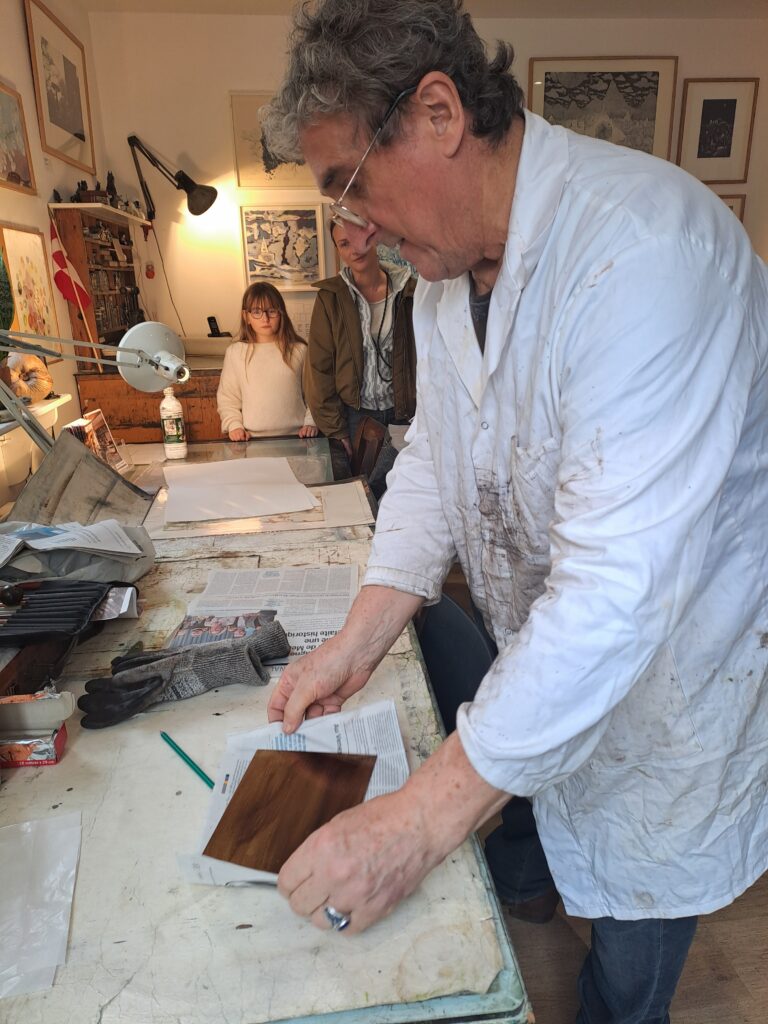
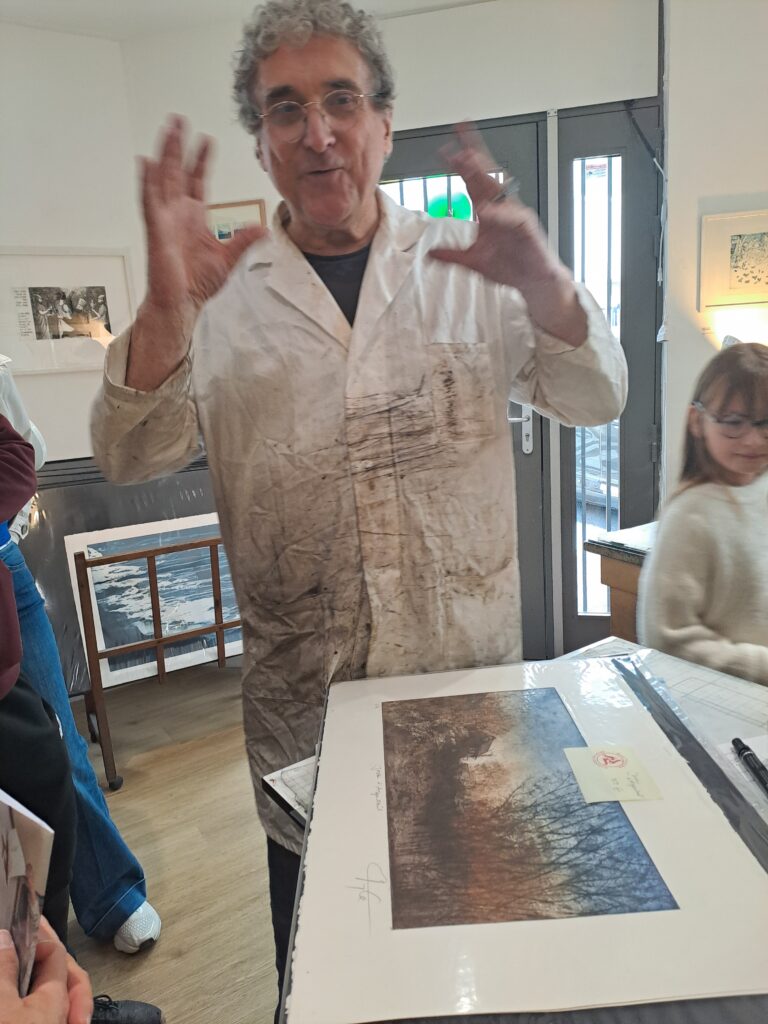
Karel Vereycken wins Honorable Mention Award in Teravarna’s 15th Open
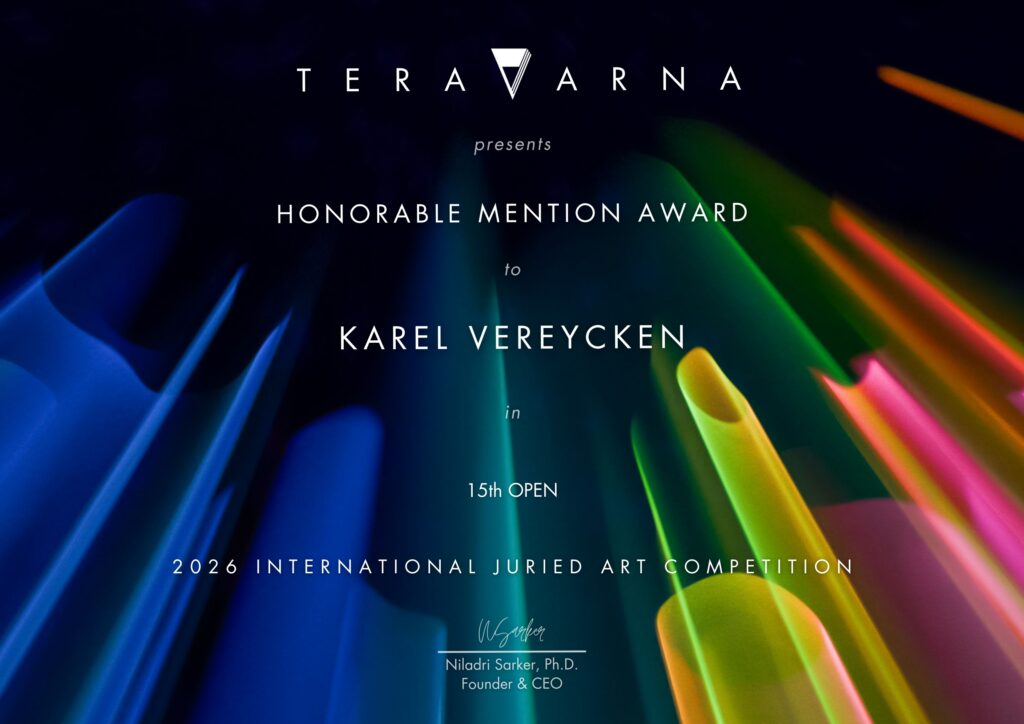
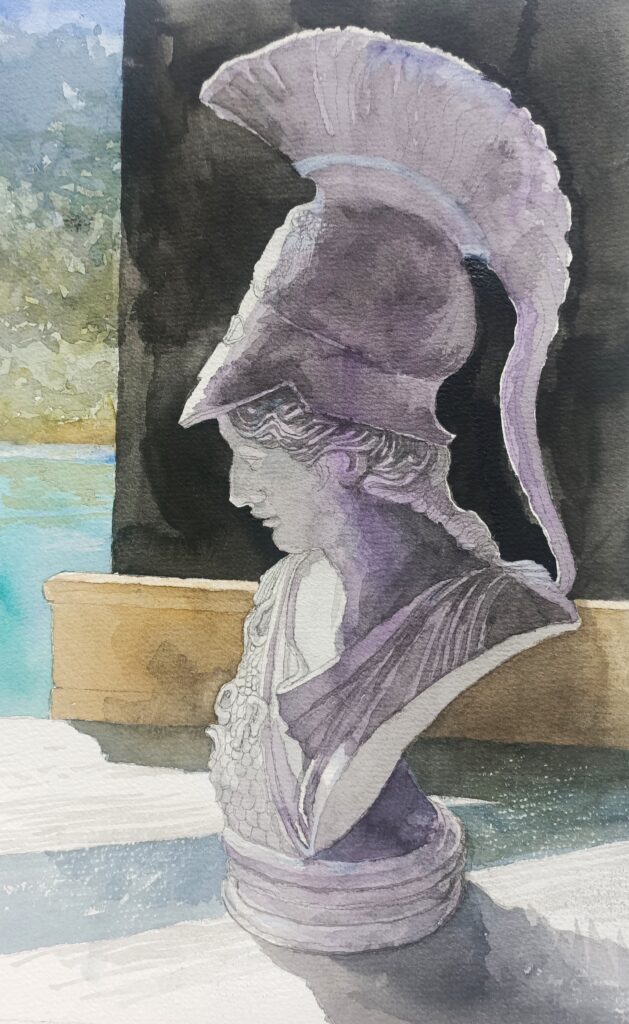
Franco-Belgian painter-engraver Karel Vereycken was informed on Sept. 24, 2026 that he won an Honorable Mention Award with his watercolor « Minerva, Goddess of Peace » in Teravarna’s « 15th Open » international juried art competition.
This work and other works of Karel Vereycken will be on show Nov. 1-8 during a collective exhibition at the Galerie Mona Lisa, 32, rue de Varenne, Paris 75007.
Upcoming exhibits:
- CONFIRMED: 2026 : PARIS, France, physical, P.A.R.I.S. (Paris Art Renaissance & International Salon), Venue: Hôtel Particulier Beaujon, 8th Arrondissement, Paris; Dates: November 23 – December 6, 2026; Gala Night: November 25, 2026;
- CONFIRMED: 2026: PARIS, France, Nov. 1-8, physical, Galerie Mona Lisa, 32, rue de Varenne, 75007, Paris, France.
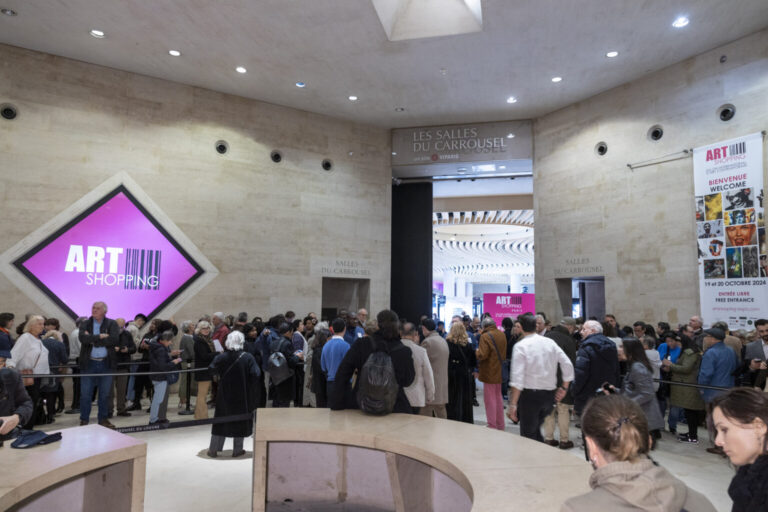
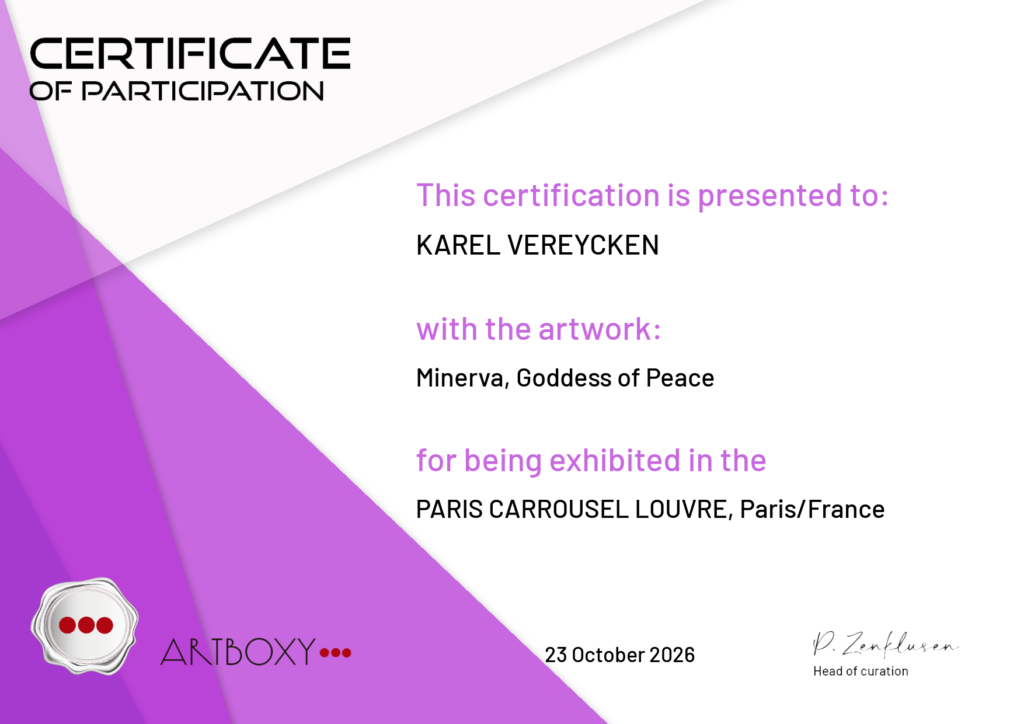
- CONFIRMED: 2026, PARIS,ART SHOPPING, digital, booth of ARTBOXY, 23-25 October, Carrousel du Louvre, 99, rue de Rivoli, 75001 Paris, France;
- CONFIRMED: 2026: LUZERN, Switzerland, 22–25 October, digital, ARTS CROSSROAD 2026, Switzerland, Kunstmesse;
- CONFIRMED: 2026: OSAKA, Japan, 16-19 October, digital, ARRIVAL GALLERY ART SHOW, 2 Chome-10-16 Higashitenma, Kita Ward, Osaka, 530-0044.
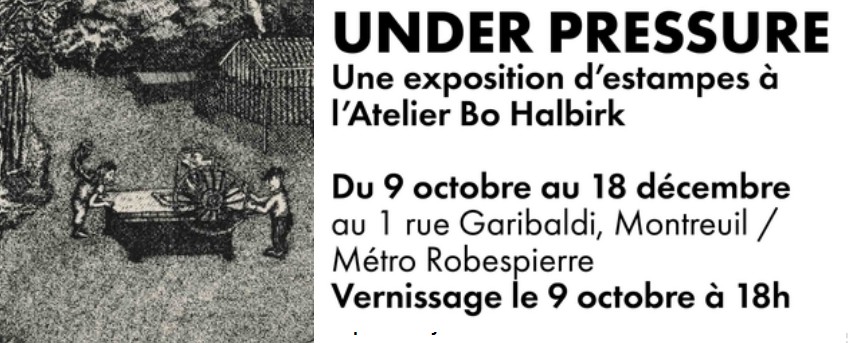
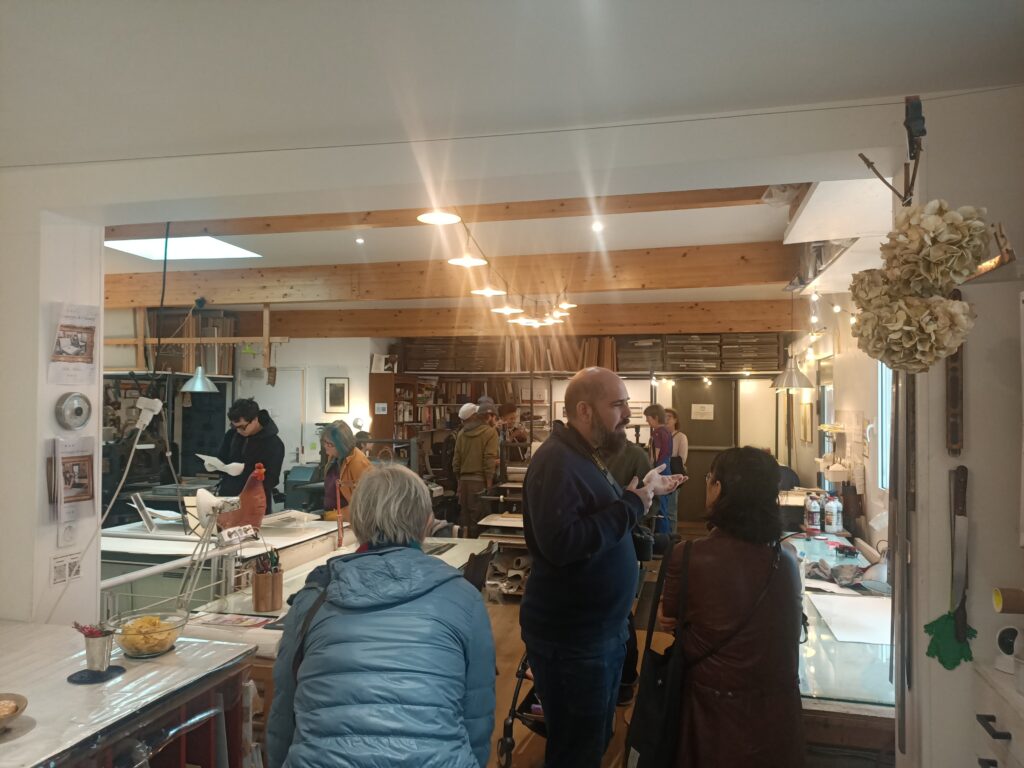
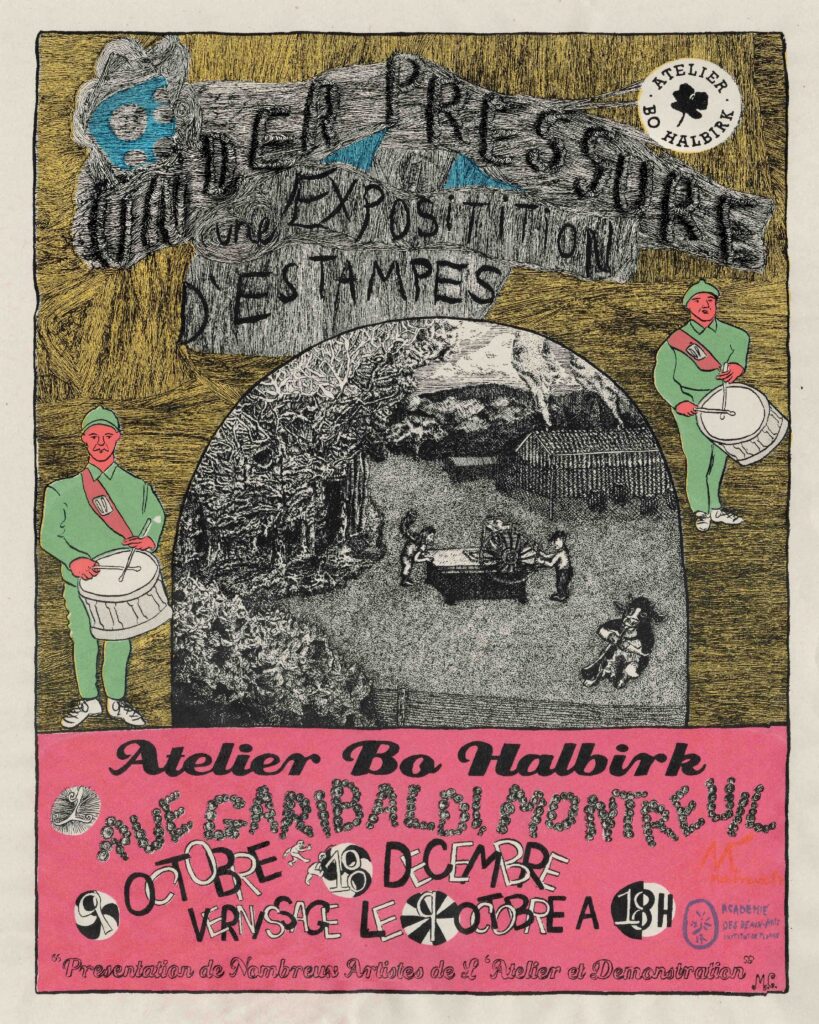
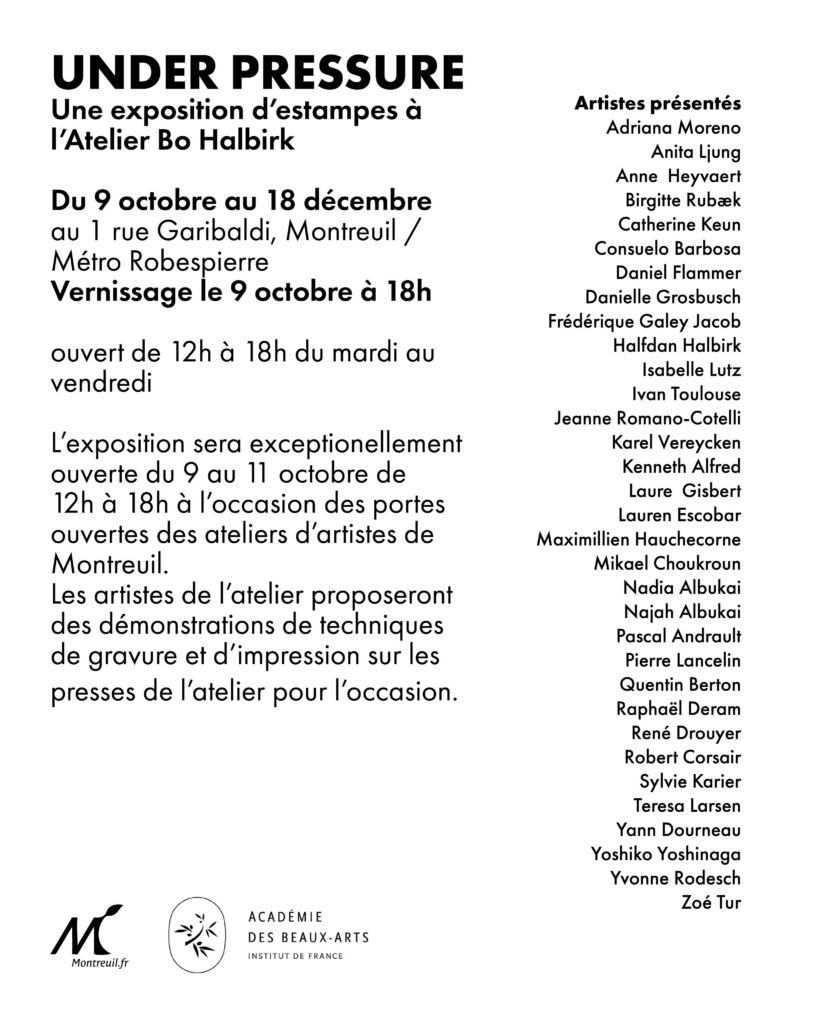
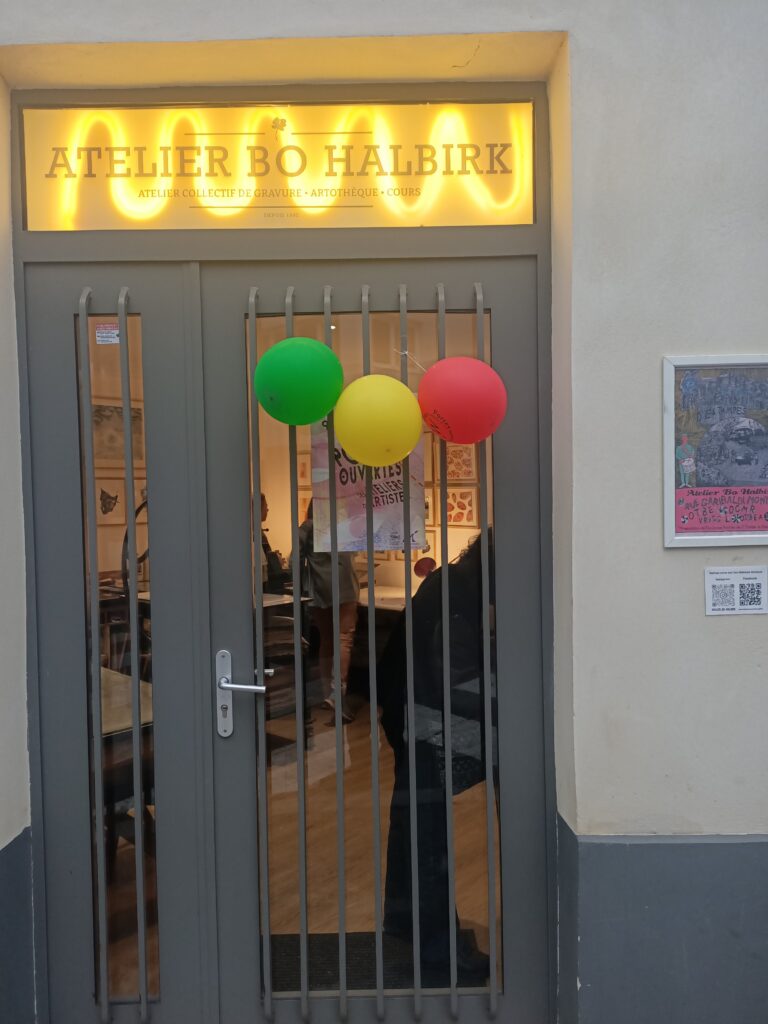
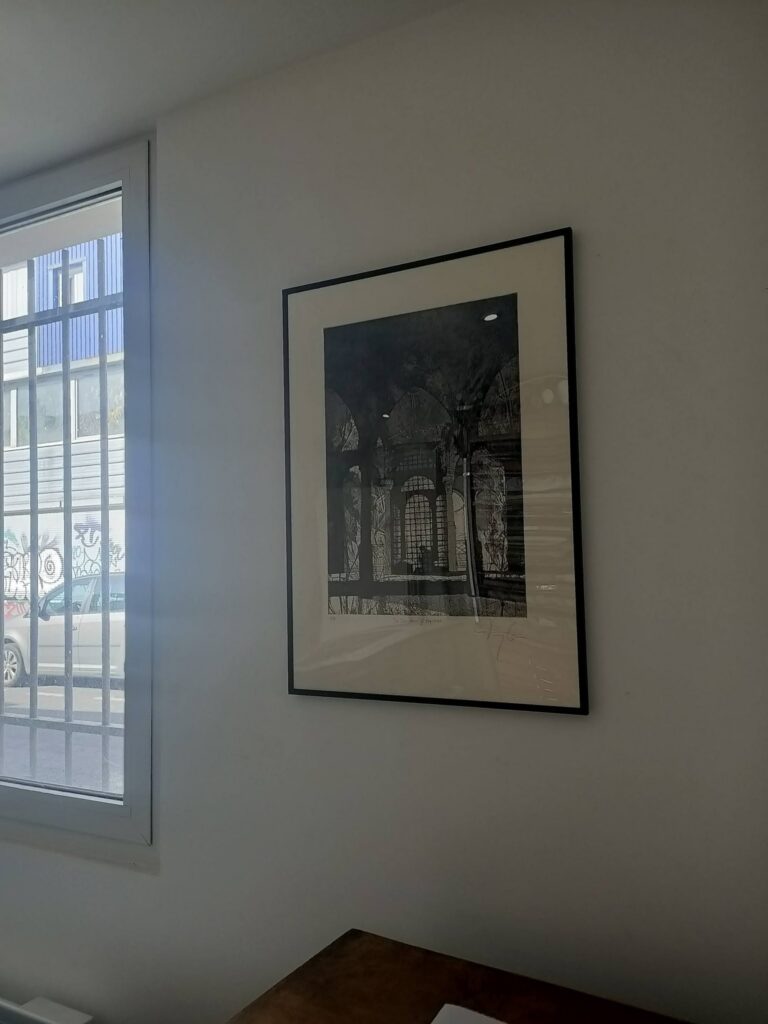
- CONFIRMED: 2026: MONTREUIL, 9-11 October, physical, UNDER PRESSURE, exposition d’estampes à l’Atelier Bo Halbirk, 1 rue Garibaldi, Montreuil (Métro Robespierre);
- CONFIRMED: 2026: SAN SALVADOR, El Salvador, October 7-November 4, physical, SUMARTE Art show and auction at Modern Art Museum (MARTE).
- CONFIRMED: 2026: CHICAGO, United States, 7-10 October, digital, Chicago Art Fair, booth 4094 of the Circle Foundation for the Arts (CFA), World Wide Art & Artavita. Venue: The MART, 222 W Merchandise Mart Plaza, Chicago, IL;
Karel Vereycken wins Honorable Mention Award in Flower Painting Contest
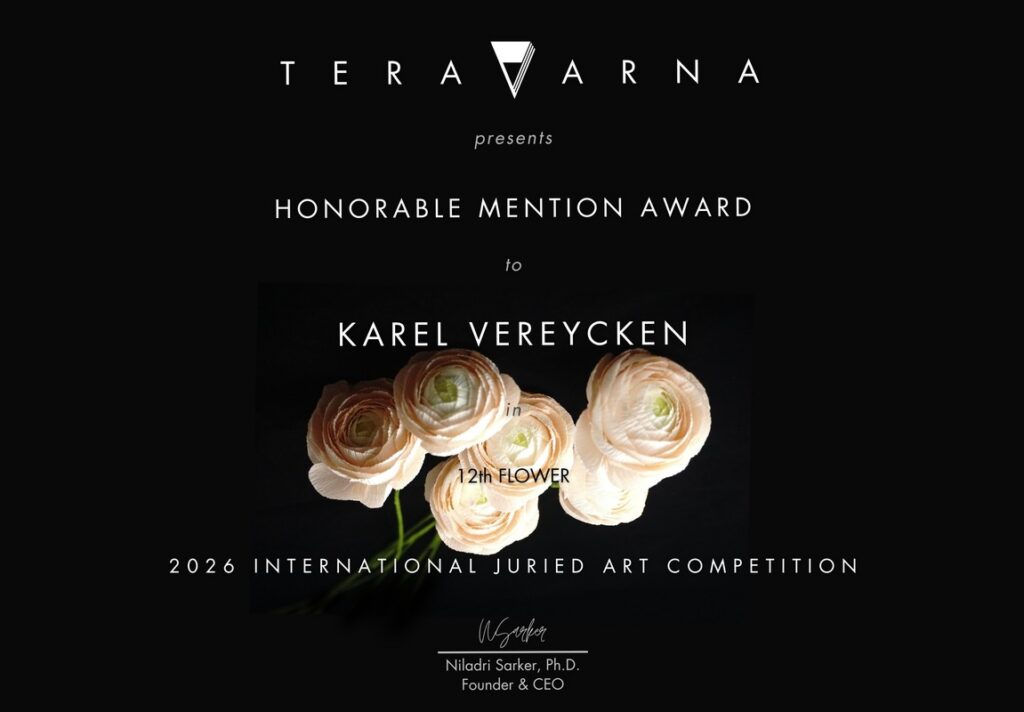
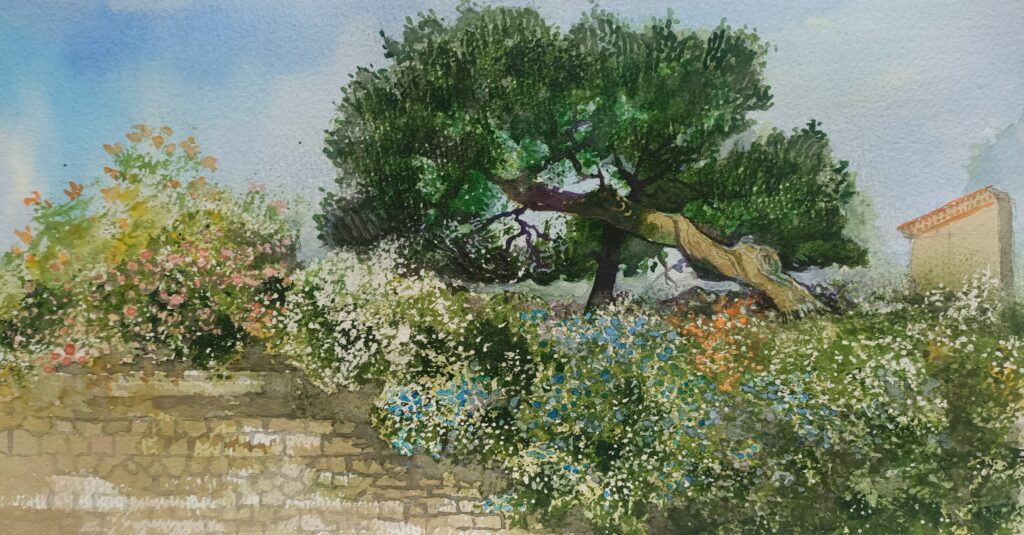
On September 9, 2026, Franco-Belgian painter engraver Karel Vereycken was informed that he won an « Honorable Mention Award » in Teravarna‘s international juried art competition « 12th Flower » for his watercolor « Flore de Sète » (2026).
Karel Vereycken once again on show at Paris Carrousel du Louvre Art Exhibit
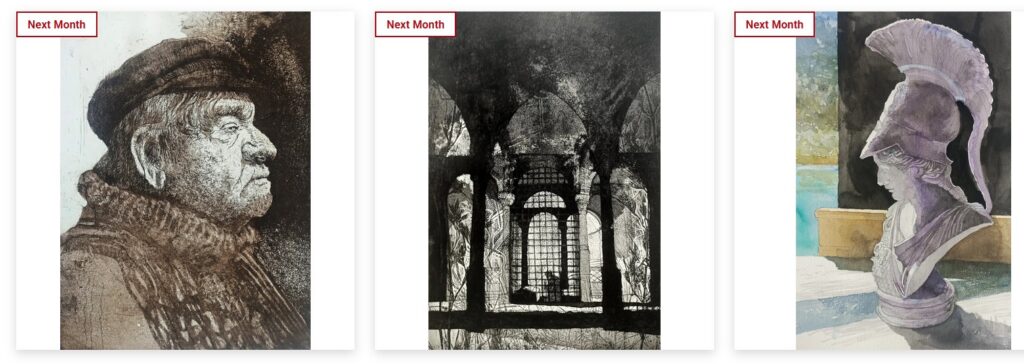
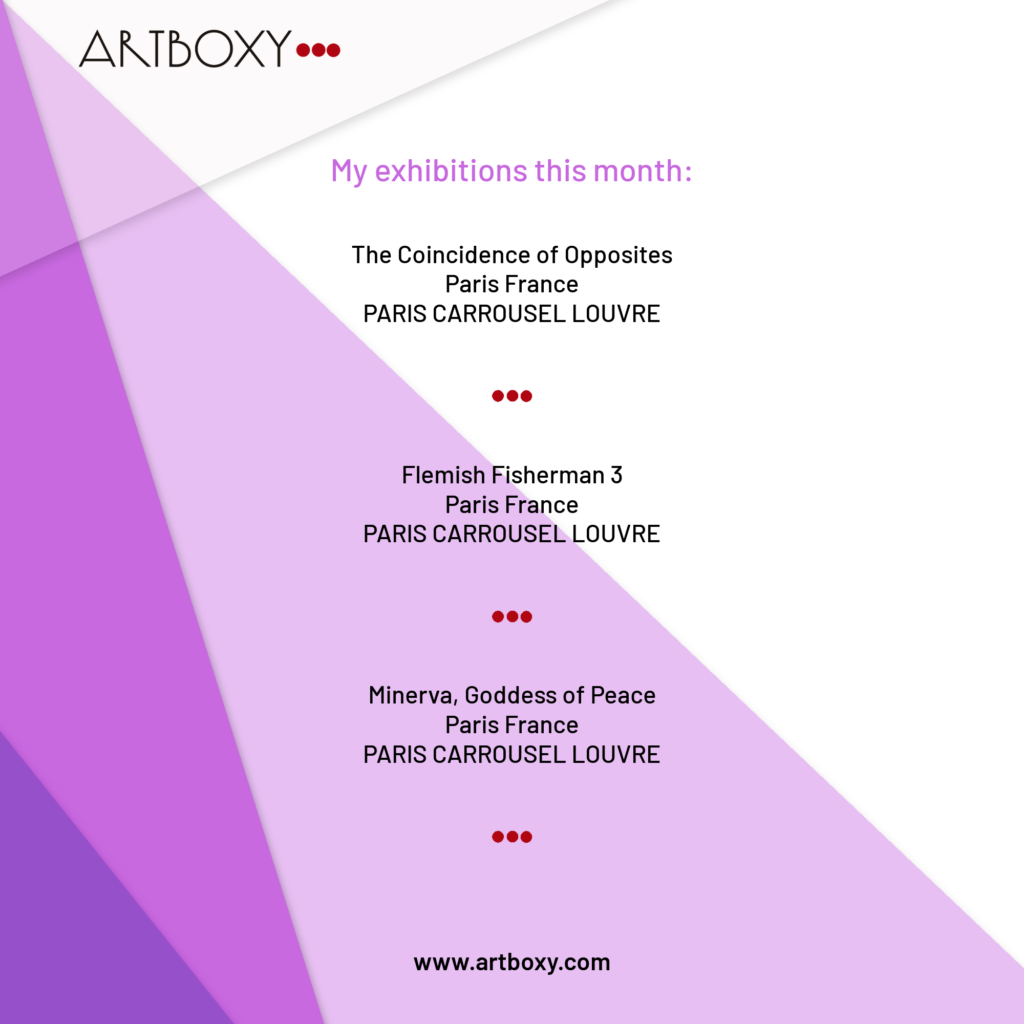
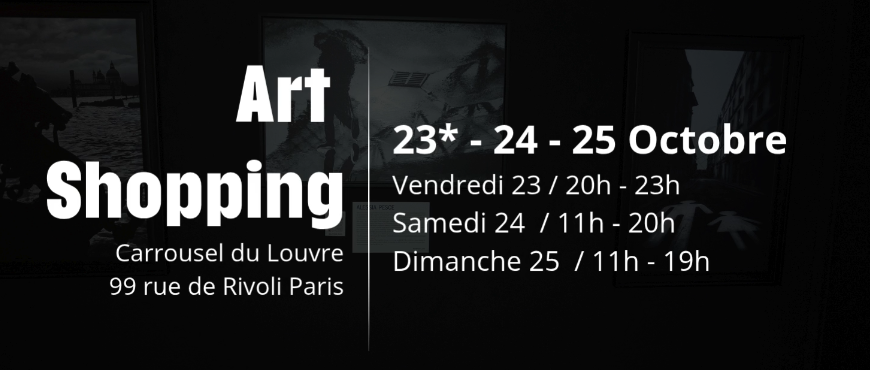
Three recent artworks of Franco-Belgian painter engraver Karel Vereycken have been selected by ARTBOXY to be exhibited (digitally on a screen at their booth), during ARTShopping 2026, a prominent international contemporary art exhibit in Paris.
One of Karel’s work was already shown on screen at the booth of Circle Foundation for the Arts (CFA) during the spring edition of ARTShopping earlier this year.
This year’s autumn edition of Art Shopping will once again take place at the Carrousel du Louvre (99, rue de Rivoli, Paris 75001):
— Friday, October 23, 2026 – Opening Night / Vernissage (by invitation only): 8:00 PM – 11:00 PM.
— Saturday, October 24, 2026: 11:00 AM – 8:00 PM.
— Sunday, October 25, 2026: 11:00 AM – 7:00 PM (last entry at 6:30 PM).
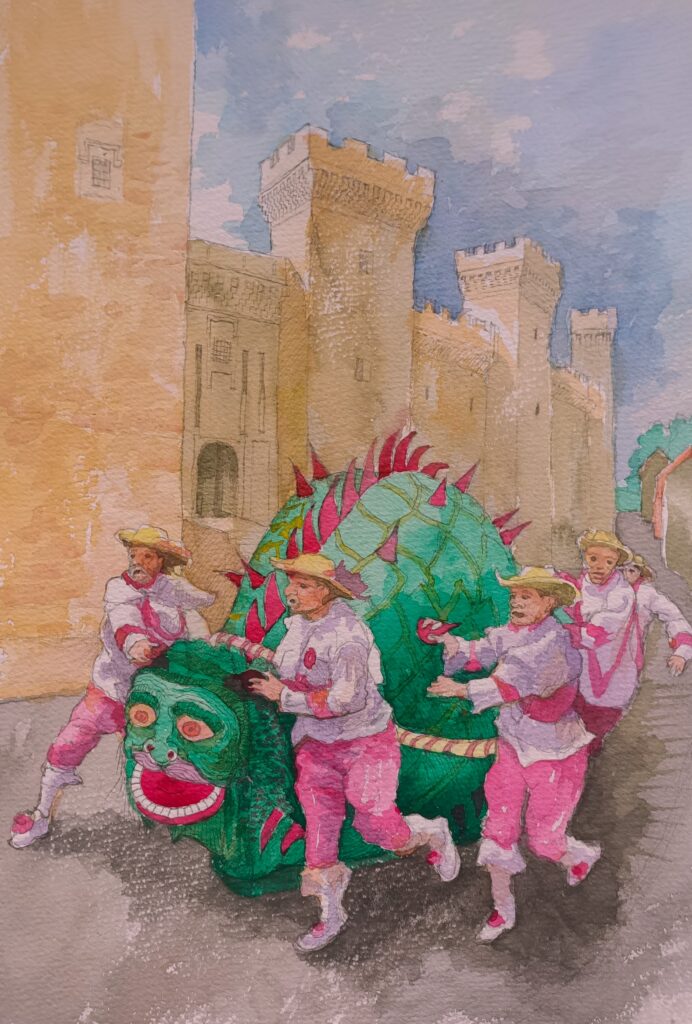
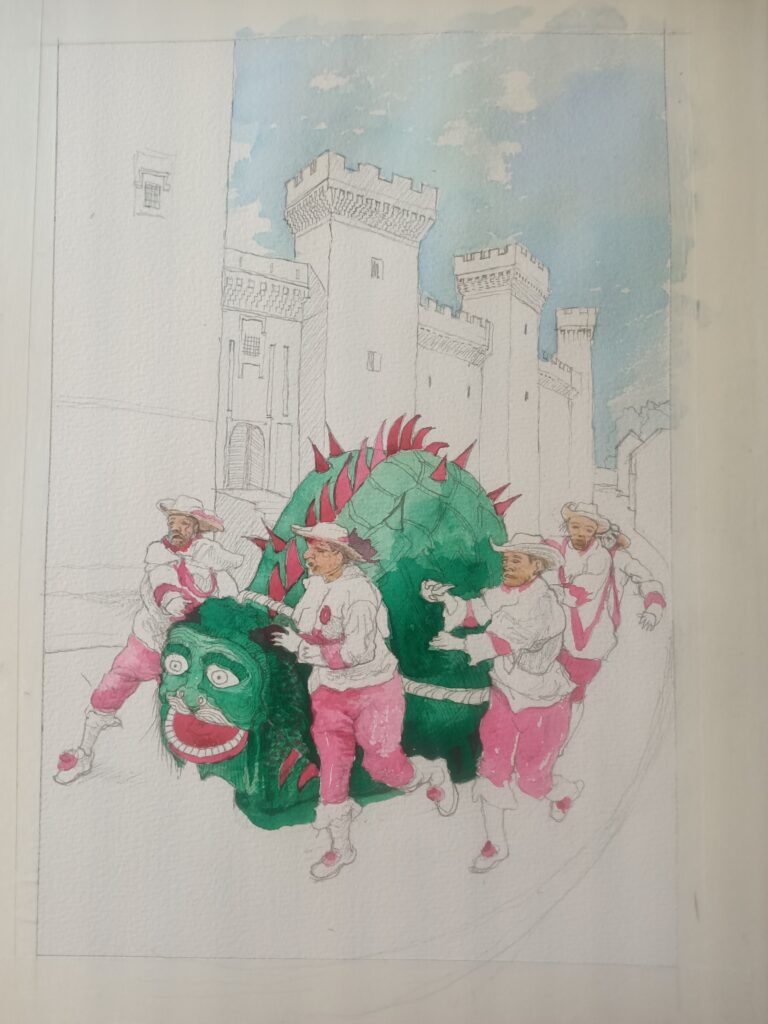
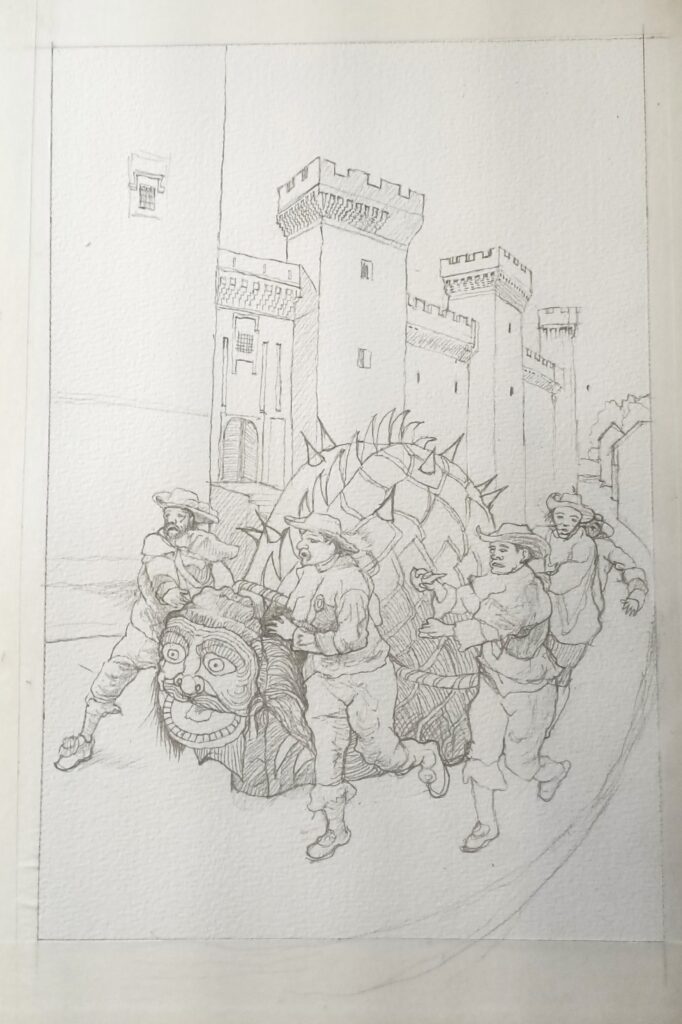
La Tarasque de Tarascon
Karel Vereycken selected for 100 Watercolour Artists of Europe 2026
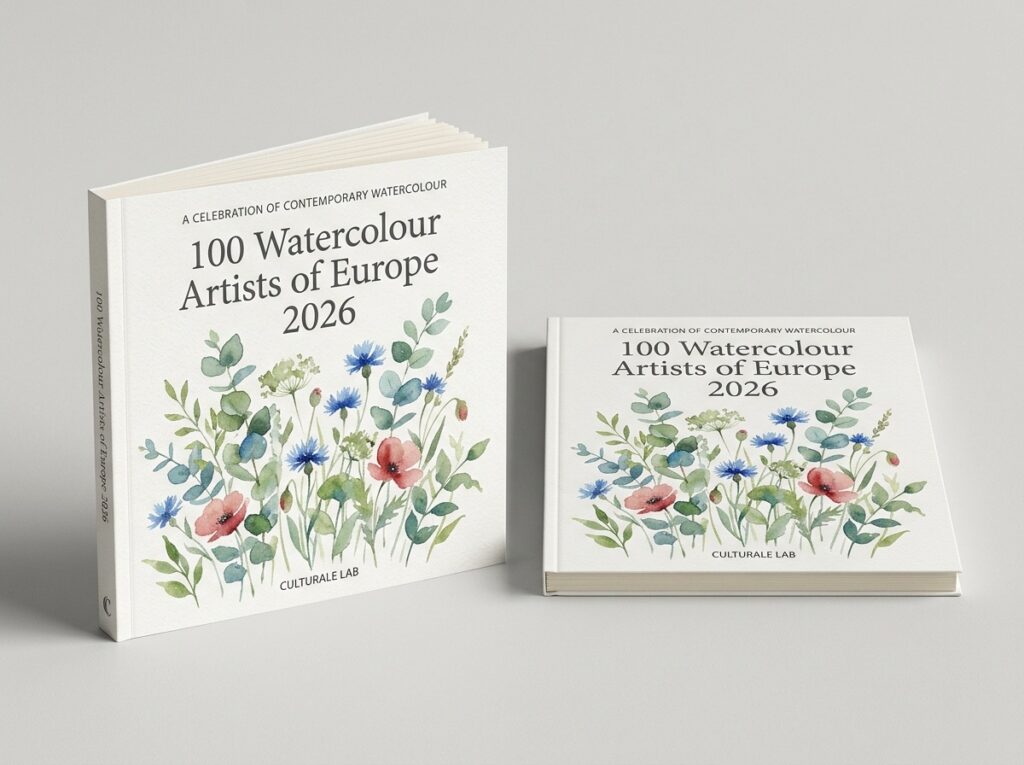
In August 2026, Franco-Belgian Painter engraver Karel Vereycken was informed that Culturale Lab, a major platform, selected his work, in particular his recent watercolor Minerva, goddess of Peace, to be included in « 100 Watercolour Artists of Europe – 2026 », to come out and reach the bookstores at the end of this year.
This curated volume, says Culturale Lab, is « a physical printed watercolour collection book, that brings together and celebrates the talent of 100 watercolour artists shaping contemporary watercolour across Europe. »
« Watercolour is one of the oldest and most beloved of media — luminous, immediate and unforgiving — yet it is too rarely celebrated in print on its own terms. « 100 Watercolour Artists of Europe 2026″ puts it at the centre: one hundred voices, styles and stories, gathered in a single, beautiful volume that will endure over time. »
Minerve, déesse de la Paix
Awards, prix, expositions
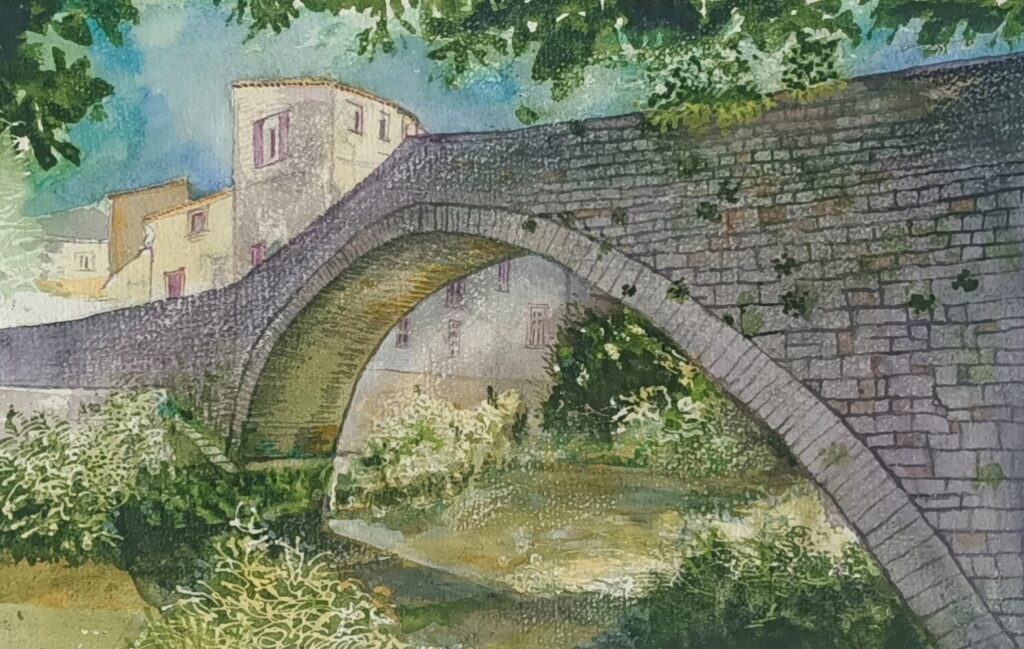
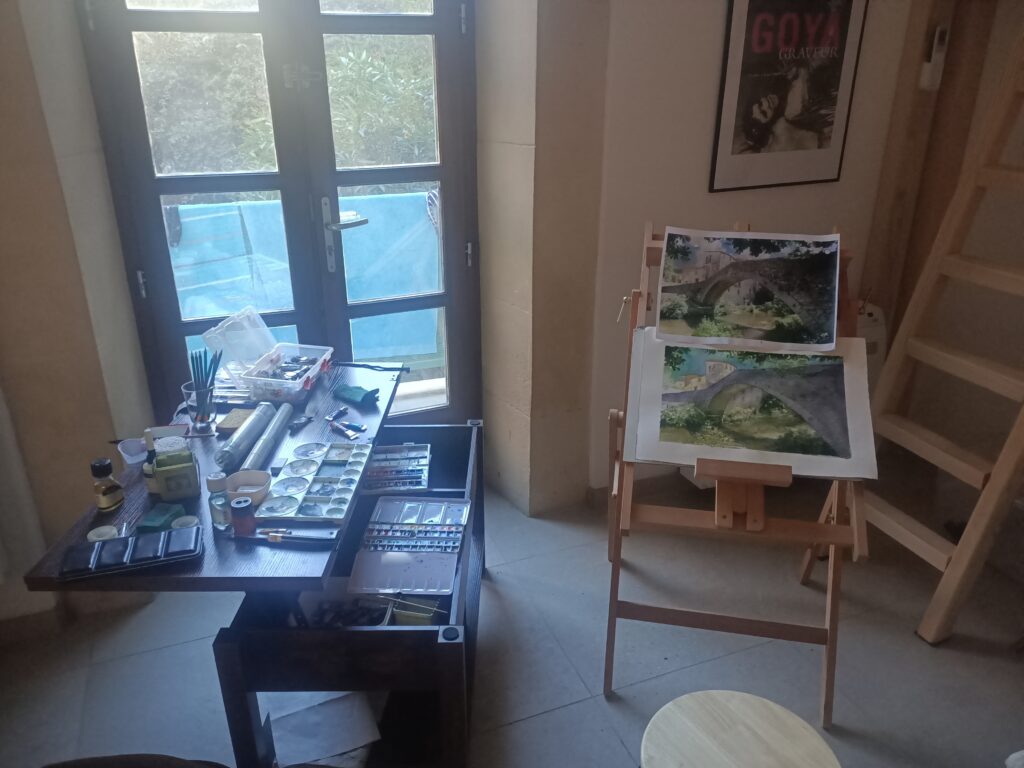
Pont de Montifort à Lodève
Karel Vereycken:以悖论式隐喻,显现无形之物
Posted on by Jonathan Hale
Also available in: EN ES FR DE IT
在一个充斥着浮光掠影与浅显直白的世界里,有这样一位艺术家,他致力于挖掘更深层的真理,将无形之物引入可见之境。Karel Vereycken 正是这样一位艺术家。他是一位版画家,其艺术之旅始于比利时的历史名城安特卫普,如今在法国的阿尔让特伊绽放光彩。他的作品超越了单纯的再现,通过精心构建的悖论式隐喻,深入探究人类经验的复杂织锦。Vereycken 的艺术不仅供人观赏,更是一场深刻对话的邀约,一场对塑造我们生活的无形力量的沉思。
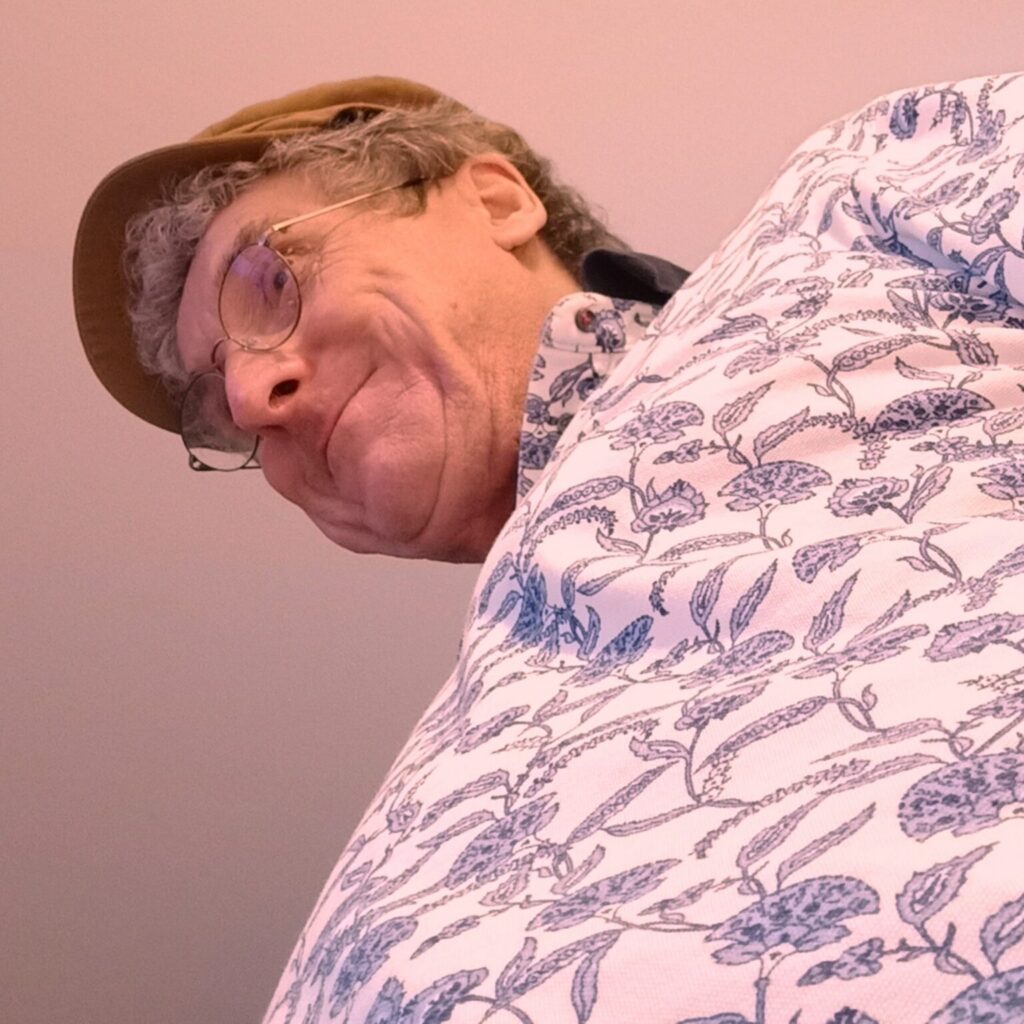
Karel Vereycken 于1957年出生于安特卫普,他的艺术之路并非坦途,而是一场由际遇和内在驱动力共同塑造的丰富探索。他的父母在港口与船舶维修行业的背景下艰难谋生,但他们认识到文化熏陶对孩子成长的重要性。Vereycken 早年曾短暂学习音乐,后因刻板的教学方法而中断,转而进入一所社区绘画学校,正是这里为他未来的艺术生涯播下了种子。在雕塑家 Herman Cornelis 的指导下,他学会了观察与复制的力量,这位老师采用的是一种亲身实践、凭直觉教学的方式。十二岁时,他迎来了人生的一个关键时刻——赢得了他的第一个艺术奖项。这份认可,加上老师对他“宝贵天赋”的肯定,促使他接受更正规的训练。在母亲的鼓励下,他进入布鲁塞尔的圣卢克学院,沉浸在造型艺术的学习中。在这里,通过对解剖学以及达芬奇和阿尔布雷希特·丢勒等大师作品的严谨研究,他为理解形式与表达奠定了坚实的基础。随后,他在皇家美术学院继续深造,以“优异”的成绩获得了铜版画专业的结业证书,进一步巩固了他对技艺掌握的执着追求。
之后移居巴黎的时期,Vereycken 参与了多样的活动。他最初为一家非商业出版物从事新闻和编辑工作,但艺术的呼唤始终萦绕心头。他回归其艺术本源,起初探索古代绘画技术,使用手工制作的蛋彩和传统的油画技法重现古典大师的作品。这段时期虽然在技术探索上收获颇丰,但在展览方面却充满挑战,因为这些作品在他有机会展出之前就已被人收藏。这促使他重新将注意力转向水彩和精细的蚀刻版画工艺,这些媒介后来成为他创作实践的核心。
他持续参与法国的蚀刻版画社群,这体现了他对磨练技艺的不懈追求。作为法国国家版画联合会的成员,Vereycken 在 Atelier63 工作室提升了他的技术实力,并在丹麦版画家 Bo Halbirk 创立的蒙特勒伊印刷工作坊进一步完善了他的工艺。这段从安特卫普充满活力的街道到布鲁塞尔和巴黎艺术中心的旅程,彰显了他对卓越的终生追求,以及对艺术创作不朽力量的根深蒂固的热情。
“Sublimart”:悖论式隐喻的艺术
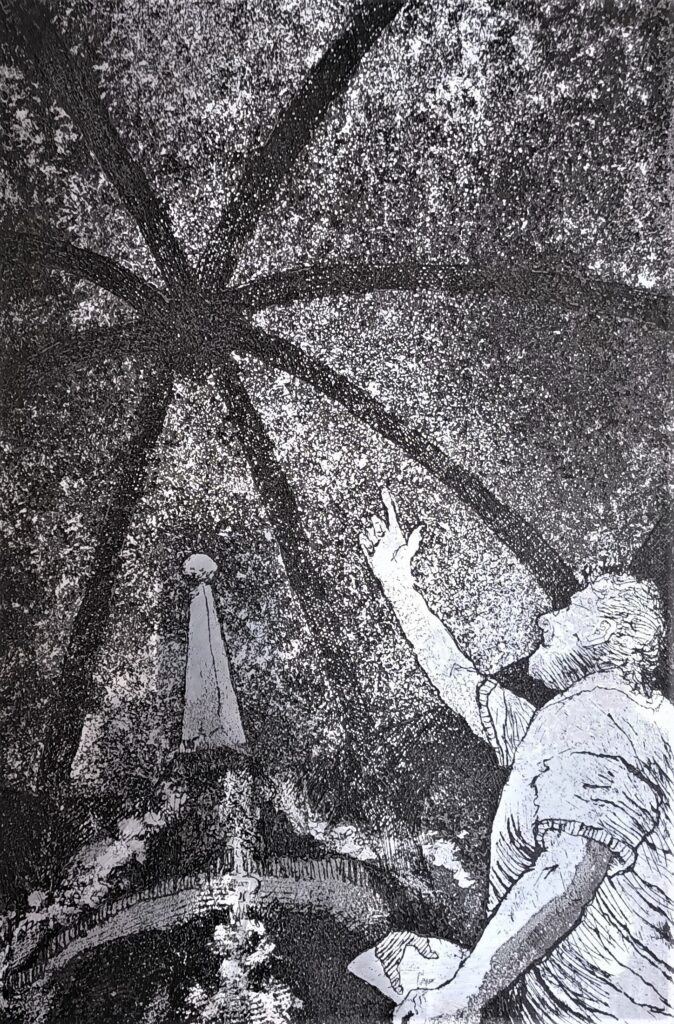
Vereycken 的艺术创作可以用他自创的术语“sublimart”来最好地描述——一个融合了“sublime”(崇高)与“art”(艺术)的词。这个新词概括了他独特的创作手法:运用悖论式隐喻,将灵魂提升至崇高境界的具象艺术。他的作品无关乎肤浅的美或直白的叙事,而是构建视觉上的悖论,以此作为通往更深层次理解的大门。正如他言简意赅地指出的,“让无形可见”是他创作背后的驱动力。他实现这一目标并非通过传统的象征主义或直接的描绘,而是将迥异的元素编织在一起,以此挑战观者的感知,激发深入的思考。
他主要运用的材料和技术——蚀刻、绘画、油画和水彩——都经过了审慎的选择。蚀刻版画,凭借其固有的精确性与错综复杂的线条表现力,尤其适合他探索层层递进的意义。蚀刻的过程需要耐心与审慎的行动,这与其观念性隐喻的深思熟虑的构建过程如出一辙。他对古典技术的执着,结合现代的感性,使其具象作品充满了深刻的情感与智识共鸣。每一件作品都是形式与观念之间精心编排的对话,邀请观者踏上一段个人的发现之旅。
Vereycken 作品的主题基础并非刻意为之,而是从他与世界的互动及艺术探索中自然生发。他希望“通过向人们展示,没有什么比‘古典’艺术更‘现代’、更‘革命’,从而震撼他们”。然而,他对古典艺术的定义远非僵化或学院派。对 Vereycken 而言,它代表着一种“基于非犬儒、具解放性、充满反讽与诗意隐喻的构图科学”。他相信,这些隐喻是所有艺术形式(无论是视觉艺术还是音乐)的根本关键。他的方法植根于这样一种理解:艺术是艺术家赠予观者的深刻“礼物”,是一种促进联结和共享体验的爱的行动。
艺术启迪的愿景
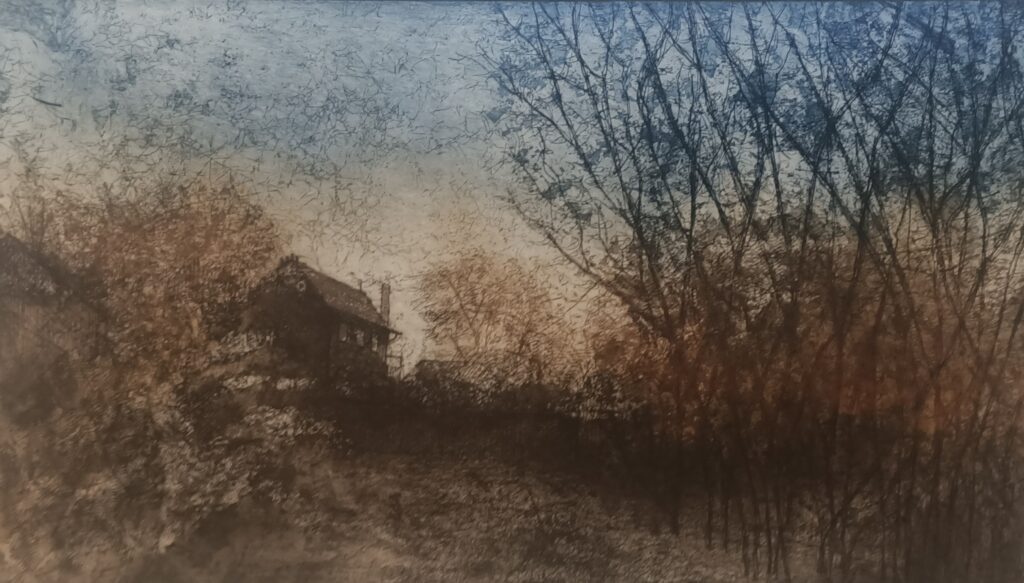
Karel Vereycken 的艺术事业充满了深刻的使命感,远不止于创作赏心悦目的物品。他将自己的工作视为一种“教学活动”,一场“人文主义思想游击战”,旨在唤醒观者,让他们感知到新的维度。虽然他承认销售对于推进其艺术事业的重要性,但他最终的动机并非迎合大众品味,而是促进与观者更深层次的联结。他努力使艺术成为一扇“窗户”,通往人们凭直觉认为重要却往往无法触及的领域。
他致力于分享自己的知识和热情,这充分体现了他对这一愿景的承诺。他曾在巴黎卢浮宫、安特卫普、布鲁塞尔或法兰克福的博物馆、米兰的布雷拉美术馆、柏林的画廊以及纽约大都会艺术博物馆等主要艺术机构举办过多次导览。这些沉浸式体验已被记录下来,部分录音可在他的网站上获取,让更广泛的受众能从他的见解中受益。他收到的由衷感谢,许多人表示惊讶于思想竟能通过绘画如此深刻地传达,这突显了他教学方法的影响力。
展望未来,Vereycken 的发展轨迹依然以积极参与和扩大其影响力的愿望为标志。他的作品曾在纽约的 ARTEXPO 和巴黎卢浮宫卡鲁塞尔厅的 ARTSHOPPING 以数字形式展出,他持续活跃于当代艺术平台。在赢得“蒙娜丽莎奖”并随后在巴黎的 Galerie Mona Lisa 举办展览之后,他的重心仍然是分享他那具有变革力量的艺术。即将在萨尔瓦多为 SUMARTE 2026 举办展览的计划,标志着他的国际抱负以及让全球观众接触到他独特视角的持续承诺。他正在进行的作品,如概念丰富的《天堂阶梯》,展示了他对融合多元视觉灵感——在此例中是中国黄山的风光与佛兰德的风景画传统——的持续探索,旨在为人类旅程打造强有力的隐喻。
Karel Vereycken 的艺术证明了求知欲、精湛技艺以及对艺术启迪人类精神能力的深刻信念所具有的持久力量。通过创造悖论式的隐喻,他邀请我们超越表象,去探寻塑造我们存在的无形意义之流。他的作品有力地提醒我们,真正的艺术性不仅在于所见之物,更在于所感、所悟,并最终被揭示的一切。
欲联系 Karel Vereycken 并探索其引人入胜的作品,请访问他的网站及社交媒体平台:
- 网站: https://artkarel.com/
- Instagram: https://www.instagram.com/karelvereycken/
- Facebook: https://www.facebook.com/karel.vereycken/
- Manifestampe 个人资料: https://www.manifestampe.org/utilisateur/karel-vereycken/profil
- 《当代艺术策展人杂志》访谈: https://www.contemporaryartcuratormagazine.com/home-2/karel-vereycken-interview
Karel Vereycken: Creare metafore paradossali per svelare l’invisibile
Posted on by Jonathan Hale
Also available in: EN ES FR DE IT
In un mondo spesso saturo dell’immediato e dell’ovvio, esiste un artista dedito a scavare alla ricerca di verità più profonde, a traghettare l’intangibile nel regno del visibile. Karel Vereycken, incisore il cui percorso è iniziato nella storica città di Anversa, in Belgio, e che oggi fiorisce ad Argenteuil, in Francia, è uno di questi artisti. La sua opera trascende la mera rappresentazione, addentrandosi nella complessa trama dell’esperienza umana attraverso metafore paradossali meticolosamente elaborate. L’arte di Vereycken non è fatta semplicemente per essere osservata; è un invito a un dialogo profondo, una contemplazione delle forze invisibili che modellano le nostre vite.
Nato ad Anversa nel 1957, il percorso artistico di Karel Vereycken non è stato una linea retta, ma una ricca esplorazione modellata tanto dalle circostanze quanto da una spinta innata. I suoi genitori, che lavoravano nell’industria portuale e delle riparazioni navali, riconobbero l’importanza di un arricchimento culturale per i loro figli. Un primo approccio alla musica, interrotto da un metodo di insegnamento troppo rigido, lo portò a una scuola di disegno popolare, e fu qui che vennero gettati i semi del suo futuro artistico. Sotto la guida di Herman Cornelis, uno scultore dall’approccio pratico e intuitivo, Vereycken imparò il potere dell’osservazione e della riproduzione. Un momento cruciale arrivò all’età di dodici anni, quando vinse il suo primo premio d’arte. Questo riconoscimento, unito alla convinzione del suo insegnante che possedesse un “talento prezioso”, lo spinse verso una formazione più accademica. L’incoraggiamento della madre lo condusse all’Institut Saint-Luc di Bruxelles, dove si immerse nelle Arti Plastiche. Qui, lo studio rigoroso dell’anatomia e delle opere di maestri come Leonardo da Vinci e Albrecht Dürer gli fornì una comprensione fondamentale della forma e dell’espressione. La sua dedizione alla maestria si consolidò ulteriormente all’Académie Royale des Beaux-Arts, dove ottenne un certificato di passaggio in incisione su rame “con lode”.
Il successivo trasferimento a Parigi segnò un periodo di impegni diversificati. Inizialmente, Vereycken si dedicò al giornalismo e all’editing per una pubblicazione non-profit, ma il richiamo dell’arte rimase insistente. Tornò così alle sue radici artistiche, esplorando inizialmente le antiche tecniche pittoriche e ricreando le opere dei grandi maestri con la tempera all’uovo preparata a mano e i metodi tradizionali a olio. Questo periodo, sebbene arricchente per la scoperta tecnica, si rivelò difficile dal punto di vista espositivo, poiché le opere trovavano nuovi acquirenti prima che potesse presentarle al pubblico. Ciò lo portò a concentrarsi nuovamente sull’acquerello e sulla meticolosa arte dell’acquaforte, mezzi espressivi che sarebbero diventati centrali nella sua pratica.
Il suo costante impegno nel perfezionare le proprie abilità è evidente nel suo continuo dialogo con la comunità dell’incisione in Francia. Come membro della Fédération nationale de l’estampe, Vereycken ha affinato la sua abilità tecnica presso l’Atelier63 e ha ulteriormente perfezionato la sua arte nel laboratorio di stampa di Montreuil, fondato dall’incisore danese Bo Halbirk. Questo viaggio, dalle vibranti strade di Anversa ai poli artistici di Bruxelles e Parigi, sottolinea una ricerca dell’eccellenza durata tutta la vita e una passione radicata per il potere intramontabile della creazione artistica.
“Sublimart”: l’arte della metafora paradossale
La produzione artistica di Vereycken è descritta al meglio dal termine da lui coniato, “sublimart”, una fusione di “sublime” e “arte”. Questo neologismo racchiude il suo approccio unico: un’arte figurativa che impiega metafore paradossali per elevare l’anima a un livello sublime. La sua opera non riguarda la bellezza superficiale o la narrazione diretta, ma la costruzione di paradossi visivi che fungono da portali verso una comprensione più profonda. “Rendere visibile l’invisibile”, come lui stesso afferma sinteticamente, è la forza motrice delle sue creazioni. Raggiunge questo obiettivo non attraverso un simbolismo convenzionale o una rappresentazione diretta, ma intrecciando elementi disparati in un modo che sfida la percezione e stimola la contemplazione.
I materiali e le tecniche che utilizza principalmente – acquaforte, pittura, olio e acquerello – sono impiegati con mano sapiente. L’acquaforte, con la sua precisione intrinseca e le linee complesse che consente di tracciare, è particolarmente adatta alla sua esplorazione di significati stratificati. Il processo dell’acquaforte richiede pazienza e un’azione deliberata, rispecchiando la costruzione ponderata delle sue metafore concettuali. La sua dedizione alle tecniche classiche, unita a una sensibilità moderna, gli permette di infondere nelle sue opere figurative una profonda risonanza emotiva e intellettuale. Ogni opera è un dialogo accuratamente orchestrato tra forma e concetto, che invita lo spettatore a intraprendere un personale viaggio di scoperta.
I fondamenti tematici del lavoro di Vereycken non sono perseguiti consapevolmente, ma emergono piuttosto in modo organico dal suo confronto con il mondo e dalle sue esplorazioni artistiche. Cerca di “scioccare il pubblico mostrando che nulla è più ‘moderno’ e ‘rivoluzionario’ dell’arte ‘classica’”. Tuttavia, la sua definizione di arte classica è tutt’altro che rigida o accademica. Per Vereycken, essa rappresenta una “scienza della composizione basata su metafore non ciniche, liberatorie, ironiche e poetiche”. Queste metafore, a suo avviso, sono le chiavi fondamentali di ogni forma d’arte, sia essa visiva o musicale. Il suo approccio si fonda sulla comprensione che l’arte è un “dono” profondo dell’artista allo spettatore, un atto d’amore che promuove la connessione e l’esperienza condivisa.
Una visione di illuminazione artistica
Gli sforzi artistici di Karel Vereycken sono intrisi di un profondo senso di scopo, che va oltre la creazione di oggetti esteticamente piacevoli. Considera il suo lavoro come una forma di “attività didattica”, una “guerriglia intellettuale umanistica” volta a risvegliare negli spettatori nuove dimensioni della percezione. Pur riconoscendo l’importanza delle vendite per portare avanti la sua ricerca artistica, la sua motivazione ultima non risiede nell’assecondare il gusto popolare, ma nel facilitare una connessione più profonda con lo spettatore. Si sforza di rendere l’arte una “finestra” su mondi che le persone riconoscono intuitivamente come significativi, ma ai quali spesso è stato negato l’accesso.
Il suo impegno verso questa visione è esemplificato dai suoi sforzi per condividere la sua conoscenza e la sua passione. Ha condotto numerose visite guidate in importanti istituzioni artistiche come il Louvre di Parigi, i musei di Anversa, Bruxelles o Francoforte, la Pinacoteca di Brera a Milano, la Gemäldegalerie di Berlino e il Metropolitan Museum di New York. Queste esperienze immersive sono state documentate e alcune registrazioni audio sono disponibili sul suo sito web, permettendo a un pubblico più vasto di beneficiare delle sue intuizioni. La sincera gratitudine che ha ricevuto, con persone che hanno espresso il loro stupore per la profondità con cui le idee possono essere trasmesse attraverso la pittura, sottolinea l’impatto del suo approccio pedagogico.
Guardando al futuro, la traiettoria di Vereycken continua a essere segnata da una partecipazione attiva e dal desiderio di ampliare il proprio raggio d’azione. Dopo essere stato presentato in formato digitale ad ARTEXPO a New York e ad ARTSHOPPING al Carrousel du Louvre a Parigi, continua a essere attivo sulle piattaforme dell’arte contemporanea. Dopo la vittoria del “Premio Monna Lisa” e la successiva mostra alla Galerie Mona Lisa di Parigi, il suo obiettivo rimane quello di condividere la sua arte trasformativa. La prospettiva di una mostra in El Salvador per SUMARTE 2026 testimonia le sue aspirazioni internazionali e un impegno costante nel rendere la sua prospettiva unica accessibile a un pubblico globale. Il suo lavoro attuale, come l’opera concettualmente ricca “Stairway to Heaven”, dimostra la sua continua esplorazione nel coniugare diverse ispirazioni visive – in questo caso, i paesaggi delle Montagne Gialle cinesi con la tradizione paesaggistica fiamminga – per creare potenti metafore del viaggio umano.
L’arte di Karel Vereycken è una testimonianza del potere intramontabile della curiosità intellettuale, della maestria tecnica e di una profonda fiducia nella capacità dell’arte di illuminare lo spirito umano. Attraverso la creazione di metafore paradossali, ci invita a guardare oltre la superficie, a entrare in contatto con le correnti invisibili di significato che modellano la nostra esistenza. La sua opera è un promemoria essenziale del fatto che la vera maestria artistica non risiede solo in ciò che si vede, ma in ciò che si sente, si comprende e, infine, si svela.
Per entrare in contatto con Karel Vereycken ed esplorare il suo affascinante lavoro, visitate il suo sito web e i suoi canali social:
- Sito web: https://artkarel.com/
- Instagram: https://www.instagram.com/karelvereycken/
- Facebook: https://www.facebook.com/karel.vereycken/
- Profilo Manifestampe: https://www.manifestampe.org/utilisateur/karel-vereycken/profil
- Intervista su Contemporary Art Curator Magazine: https://www.contemporaryartcuratormagazine.com/home-2/karel-vereycken-interview
Argenteuil, le parc des Impressionistes
Karel Vereycken awarded by FineArtsNews
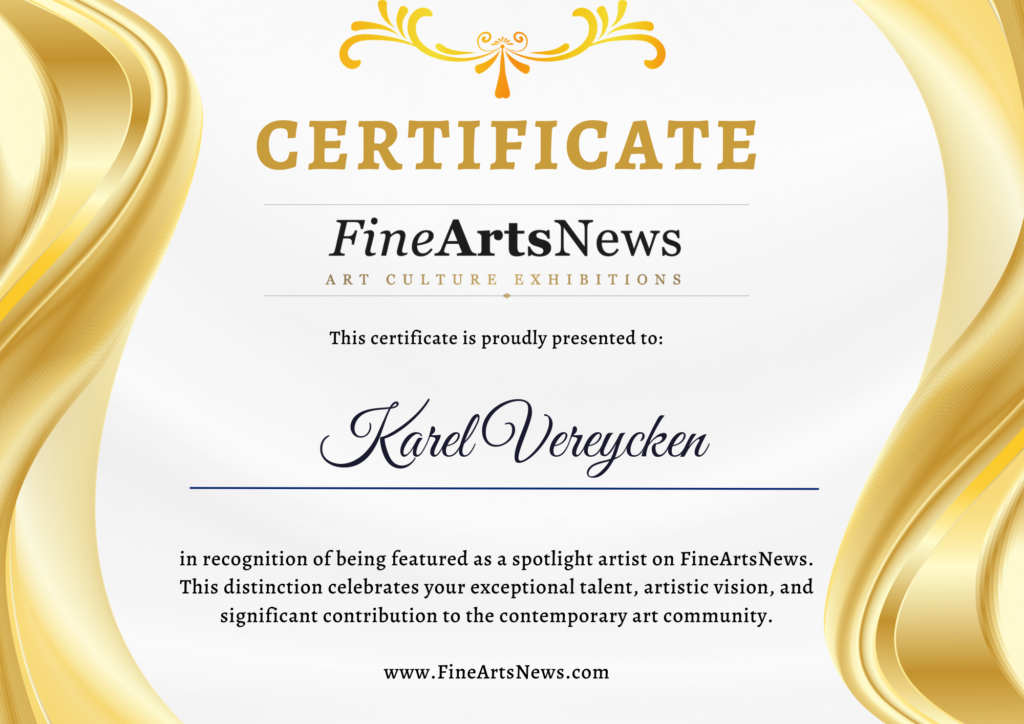
On May 25, 2026, Franco-Belgian painter engraver and arthistorian Karel Vereycken was awarded a certificate by FineArtsNews, « in recognition of being featured as a spotlight artist on FineArtsNews. This distinction celebrates your exceptional talent, artistic vision, and significant contribution to the contemporary art community. »
Karel Vereycken featured on FineArtsNews.com
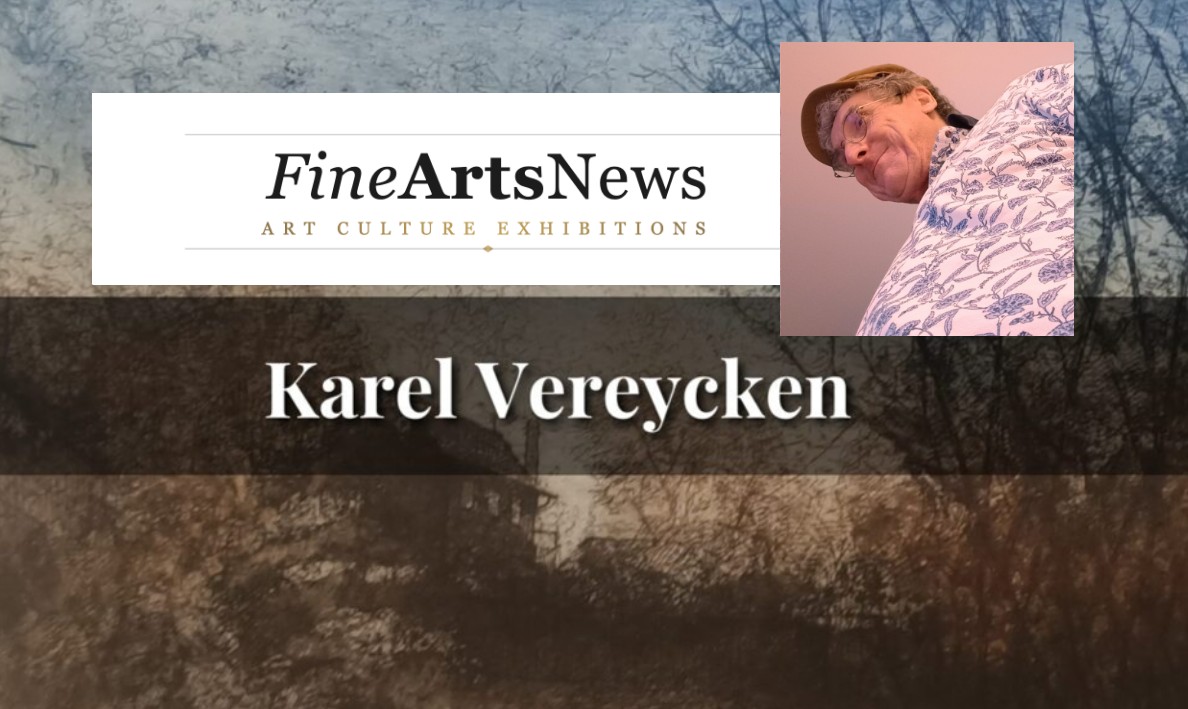
Karel Vereycken: Crafting Paradoxical Metaphors to Reveal the Invisible
Franco-Belgian painter engraver Karel Vereycken is now featured on FineArtsNews.com!
This amazing opportunity was made possible through Culturale Lab (@culturalelab @culturalelab_art), a platform dedicated to supporting and promoting contemporary artists worldwide.
His story has been published on FineArtsNews.com, a respected international publication covering fine arts, museum exhibitions, and the global art scene.
« It’s an incredible honor to have my work and artistic journey showcased to art collectors, gallery professionals, museum curators, and fine art lovers worldwide, » said Vereycken. « This feature explores my creative process, inspirations, and recent works. I’m grateful for this opportunity to connect with art lovers and collectors around the world. »
Read the full article:
https://fineartsnews.com/2026/04/karel-vereycken-crafting-paradoxical-metaphors-to-reveal-the-invisible/
Karel Vereycken: Crafting Paradoxical Metaphors to Reveal the Invisible
Posted on by Jonathan Hale

Also available in: ES FR DE IT ZH
In a world often saturated with the immediate and the obvious, there exists an artist dedicated to excavating deeper truths, coaxing the intangible into the realm of the visible. Karel Vereycken, an engraver whose journey began in the storied city of Antwerp, Belgium, and now flourishes in Argenteuil, France, is such an artist. His work transcends mere representation, delving into the complex tapestry of human experience through meticulously crafted paradoxical metaphors. Vereycken’s art is not simply to be observed; it is an invitation to a profound dialogue, a contemplation of the unseen forces that shape our lives.
A Foundation Forged in Curiosity and Discipline

Born in Antwerp in 1957, Karel Vereycken’s artistic path was not a straight line but a rich exploration shaped by both circumstance and innate drive. His parents, who navigated the challenges of a port and ship repair industry background, recognized the importance of cultural enrichment for their children. While an early foray into music, cut short by a rigid teaching method, led him to a communal drawing school, it was here that the seeds of his artistic future were sown. Under the tutelage of Herman Cornelis, a sculptor with a hands-on, intuitive approach, Vereycken learned the power of observation and replication. A pivotal moment arrived at the age of twelve when he secured his first art prize. This recognition, coupled with his teacher’s conviction of his “precious talent,” propelled him towards more formal training. His mother’s encouragement led him to the Institut Saint-Luc in Brussels, where he immersed himself in Plastic Arts. Here, the rigorous study of anatomy and the works of masters like Leonardo da Vinci and Albrecht Dürer provided a foundational understanding of form and expression. His dedication to mastery further solidified at the Académie Royale des Beaux-Arts, where he earned a certificate of passage in copper engraving “with distinction.”
The subsequent move to Paris marked a period of diverse engagement. Vereycken initially pursued journalism and editing for a non-commercial publication, but the call of art remained insistent. He returned to his artistic roots, initially exploring ancient painting techniques, recreating the works of old masters using hand-made egg tempera and traditional oil methods. This period, while enriching in its technical discovery, proved challenging in terms of exhibition, as the works found new homes before he could present them. This led to a renewed focus on watercolors and the meticulous craft of etching, mediums that would become central to his practice.
His ongoing commitment to honing his skills is evident in his continued engagement with the etching community in France. As a member of the Fédération nationale de l’estampe, Vereycken refined his technical prowess at Atelier63 and further perfected his craft at the Montreuil printing workshop founded by the Danish engraver Bo Halbirk. This journey, from the vibrant streets of Antwerp to the artistic hubs of Brussels and Paris, underscores a lifelong pursuit of excellence and a deep-seated passion for the enduring power of artistic creation.
“Sublimart”: The Art of Paradoxical Metaphor

Vereycken’s artistic output is best described by his coined term, “sublimart”—a fusion of “sublime” and “art.” This neologism encapsulates his unique approach: figurative art that employs paradoxical metaphors to elevate the soul to a sublime level. His work is not about superficial beauty or direct narrative, but about constructing visual paradoxes that act as gateways to deeper understanding. “Making visible the invisible,” as he succinctly puts it, is the driving force behind his creations. He achieves this not through conventional symbolism or straightforward depiction, but by weaving together disparate elements in a way that challenges perception and sparks contemplation.
The materials and techniques he primarily utilizes – etching, painting, oil, and watercolor – are employed with a discerning hand. Etching, with its inherent precision and the intricate lines it allows, is particularly suited to his exploration of layered meaning. The process of etching demands patience and deliberate action, mirroring the thoughtful construction of his conceptual metaphors. His dedication to classical techniques, combined with a modern sensibility, allows him to imbue his figurative works with a profound emotional and intellectual resonance. Each piece is a carefully orchestrated dialogue between form and concept, inviting the viewer to embark on a personal journey of discovery.
The thematic underpinnings of Vereycken’s work are not consciously pursued but rather emerge organically from his engagement with the world and his artistic explorations. He seeks to “shock people by showing them that nothing is more ‘modern’ and ‘revolutionary’ than ‘classical’ art.” However, his definition of classical art is far from rigid or academic. For Vereycken, it represents a “science of composition based on non-cynical, liberating, ironical, poetical metaphors.” These metaphors, he believes, are the fundamental keys to all forms of art, whether visual or musical. His approach is rooted in the understanding that art is a profound “gift” from the artist to the viewer, an act of love that fosters connection and shared experience.
A Vision of Artistic Enlightenment

Karel Vereycken’s artistic endeavors are imbued with a profound sense of purpose, extending beyond the creation of aesthetically pleasing objects. He views his work as a form of “teaching activity,” a “humanistic intellectual guerrilla warfare” aimed at awakening viewers to new dimensions of perception. While he acknowledges the importance of sales for furthering his artistic endeavors, his ultimate motivation lies not in pandering to popular taste but in facilitating a deeper connection with the viewer. He strives to make art a “window” to realms that people intuitively recognize as significant but have often been denied access to.
His commitment to this vision is exemplified by his efforts to share his knowledge and passion. He has led numerous guided tours of major art institutions like the Louvre in Paris, the Museums of Antwerp, Brussels or Frankfurt, the Brera in Milan, the Gemäldegalerie in Berlin and the Metropolitan Museum in New York. These immersive experiences have been documented, with some audio recordings available on his website, allowing a wider audience to benefit from his insights. The heartfelt gratitude he has received, with individuals expressing their astonishment at how deeply ideas can be conveyed through paintings, underscores the impact of his pedagogical approach.
Looking ahead, Vereycken’s trajectory continues to be marked by active participation and a desire to broaden his reach. Having been digitally showcased at ARTEXPO in New York and ARTSHOPPING at the Carrousel du Louvre in Paris, he remains engaged with contemporary art platforms. Following his “Mona Lisa Prize” win and subsequent exhibition at Galerie Mona Lisa in Paris, his focus remains on sharing his transformative art. The prospect of an exhibition in El Salvador for SUMARTE 2026 signals his international aspirations and a continued commitment to making his unique perspective accessible to a global audience. His ongoing work, such as the conceptually rich “Stairway to Heaven,” demonstrates his continued exploration of marrying diverse visual inspirations—in this instance, the landscapes of China’s Yellow Mountains with Flemish landscape traditions—to craft potent metaphors for the human journey.
Karel Vereycken’s art is a testament to the enduring power of intellectual curiosity, technical mastery, and a profound belief in the capacity of art to illuminate the human spirit. Through his creation of paradoxical metaphors, he invites us to look beyond the surface, to engage with the invisible currents of meaning that shape our existence. His work is a vital reminder that true artistry lies not just in what is seen, but in what is felt, understood, and ultimately, revealed.
To connect with Karel Vereycken and explore his captivating work, please visit his website and social media platforms:
- Website: https://artkarel.com/
- Instagram: https://www.instagram.com/karelvereycken/
- Facebook: https://www.facebook.com/karel.vereycken/
- Manifestampe Profile: https://www.manifestampe.org/utilisateur/karel-vereycken/profil
- Contemporary Art Curator Magazine Interview: https://www.contemporaryartcuratormagazine.com/home-2/karel-vereycken-interview
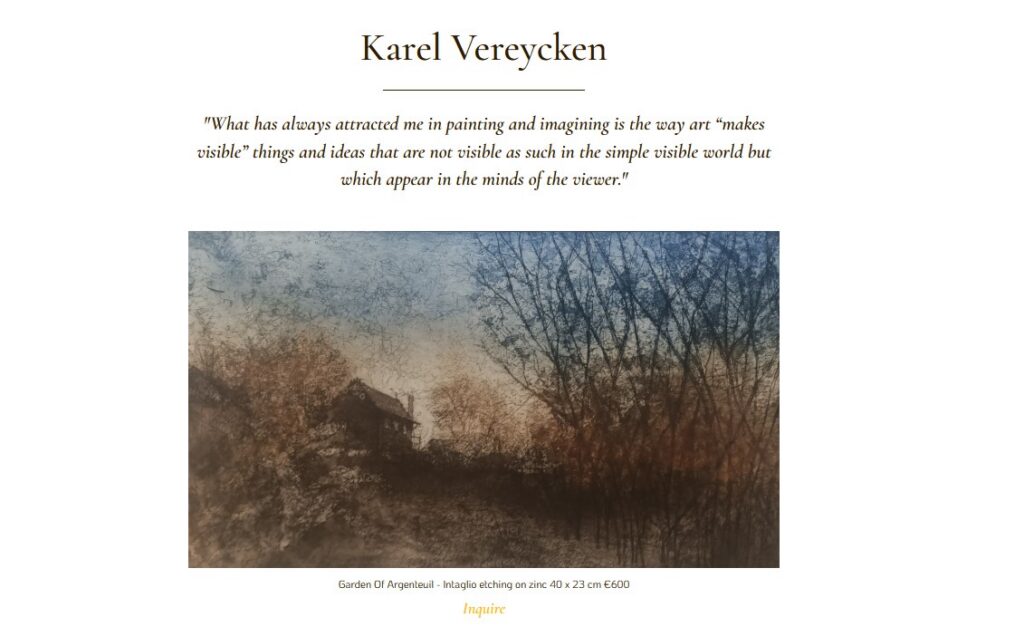
Karel Vereycken webpage at Circle Foundation for the Arts
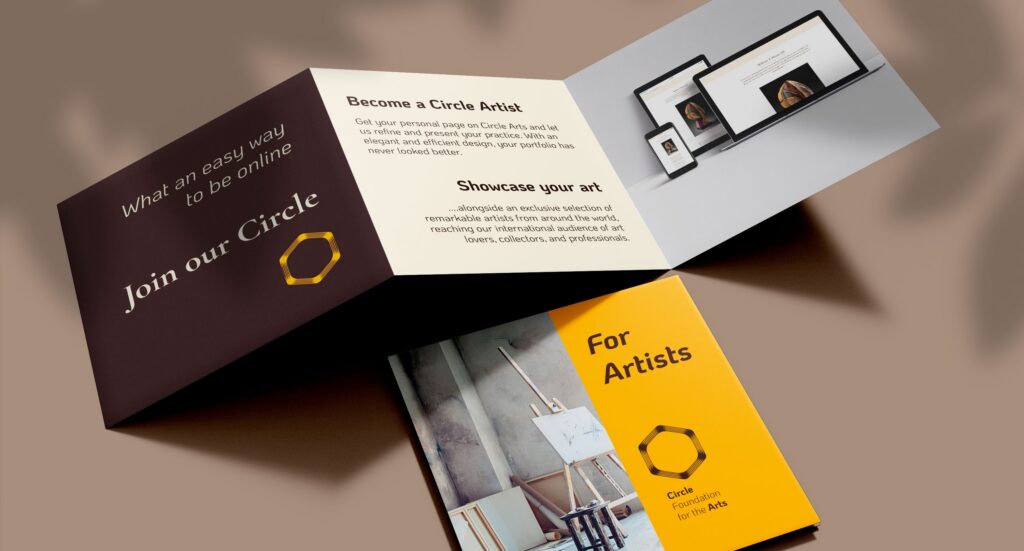
On April 20, 2026, Franco-Belgian painter engraver Karel Vereycken became a member of the Circle Foundation for the Arts (CFA).
In this new capacity of a « Circle Artist » he could open a permanent dedicated webpage on the CFA website, an additional window increasing the artists overall visibility and reach-out.
https://circle-arts.com/member/karel-vereycken/
Thanks for that !
Karel Vereycken awarded Honorable Mention in 14th Open Art Competition
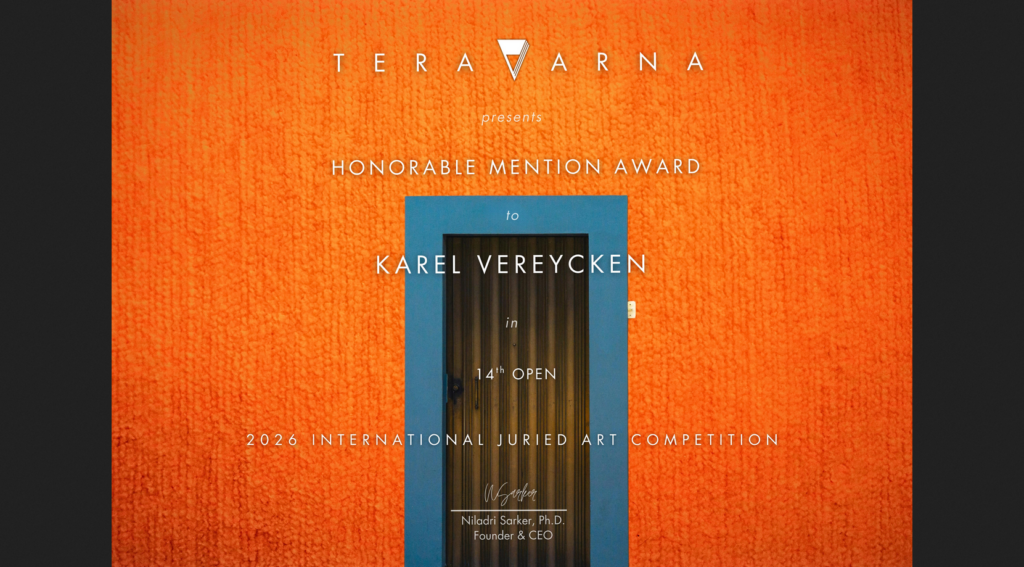
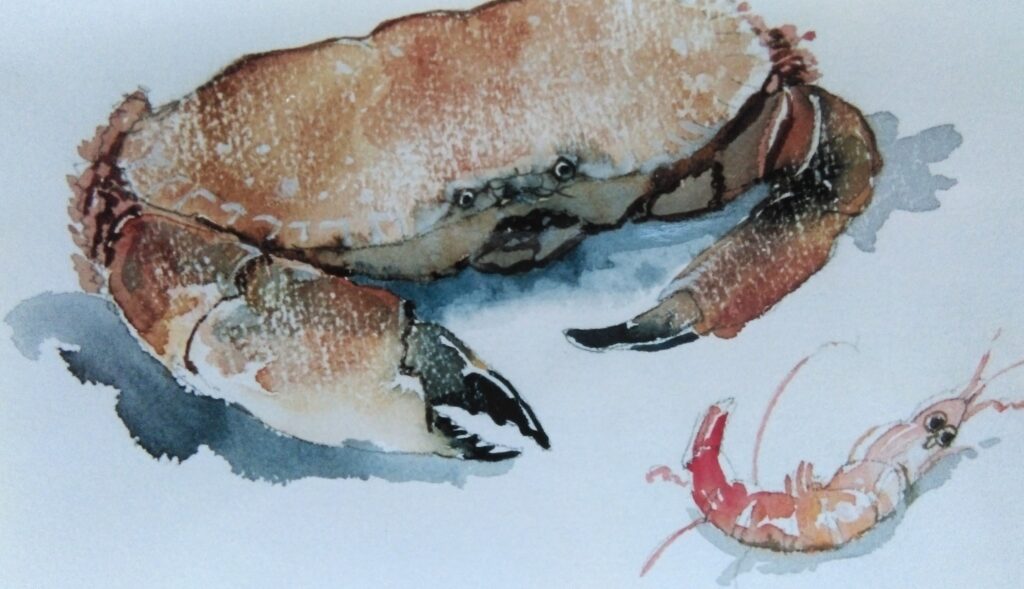
In April 2026, Karel Vereycken‘s watercolor « The Crab » obtained an « Honorable Mention » at 14th « Open » International Juried Art Contest of Teravarna.
Karel Vereycken featured in ART LOVERS Magazine
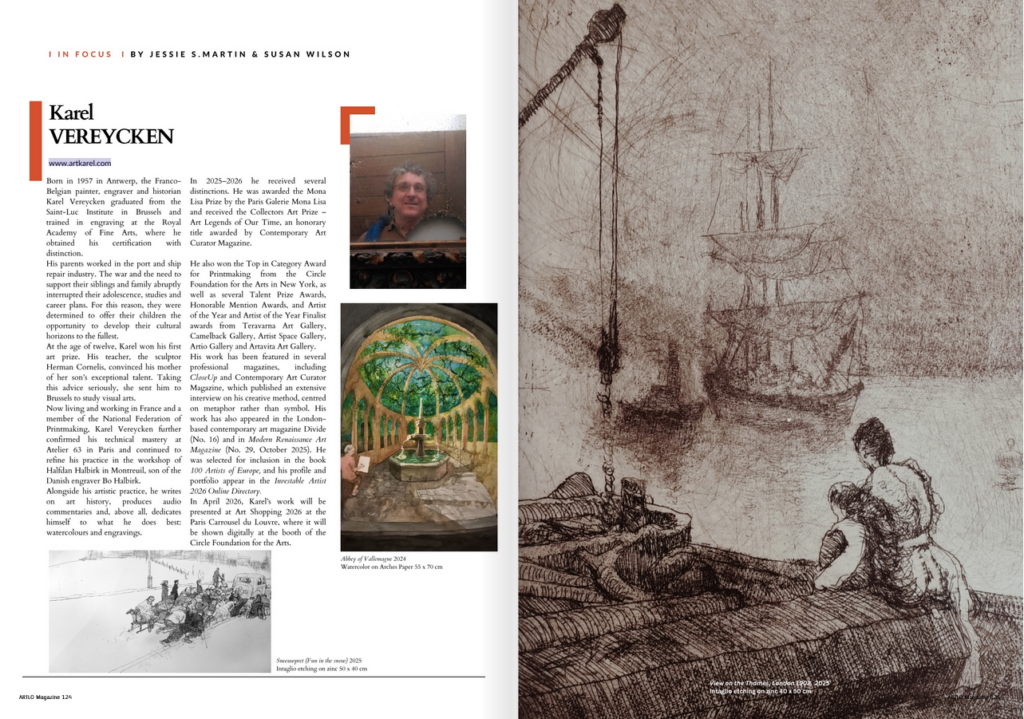
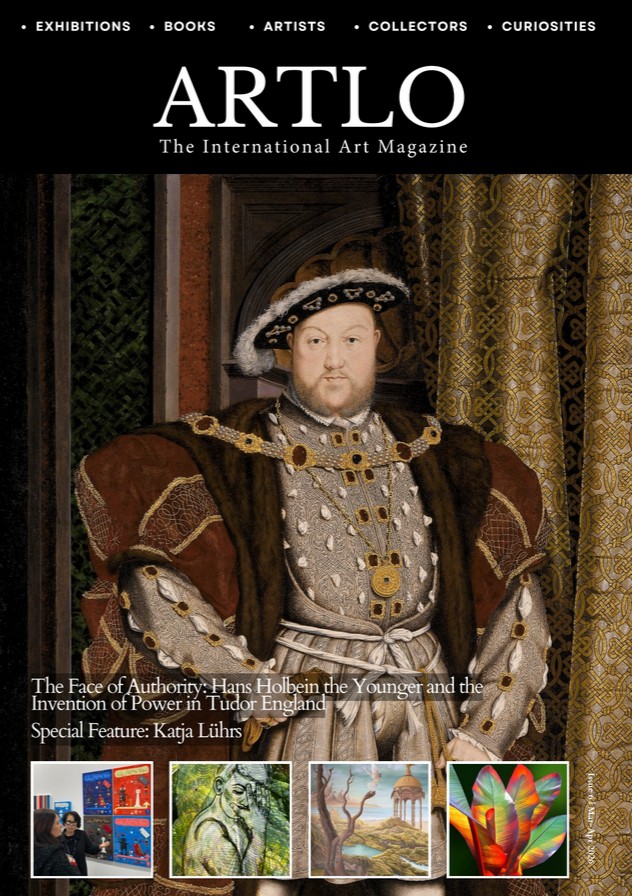
The outstanding and beautiful International Art Lovers Magazine (ARTLO), published in Spain, in its March-April issue N° 6, 2026, offers a two page feature article on Franco Belgian painter engraver and historian Karel Vereycken.
ARTLO identifies itself as « a group of people who are passionate about art – true art lovers who are enthusiastic about everything we do in the creative world. We love discovering emerging artists and being part of a community where art is a way of life ».
ARTLO Magazine clearly offers rich in depth articles allowing a remarkably high level and much needed debate on both « classical » and « modern » art.
You can order, in the coming days, your own print copy, via this link.